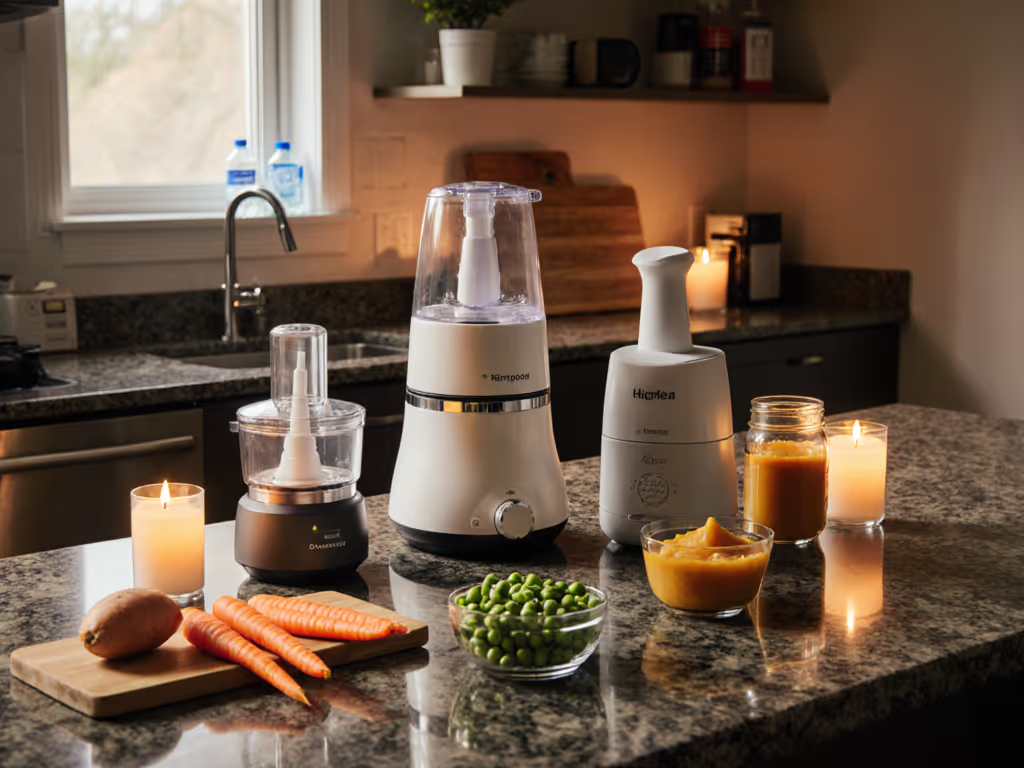
Best Emergency Preparedness Baby Food Makers Compared
14th Jun•14 min read
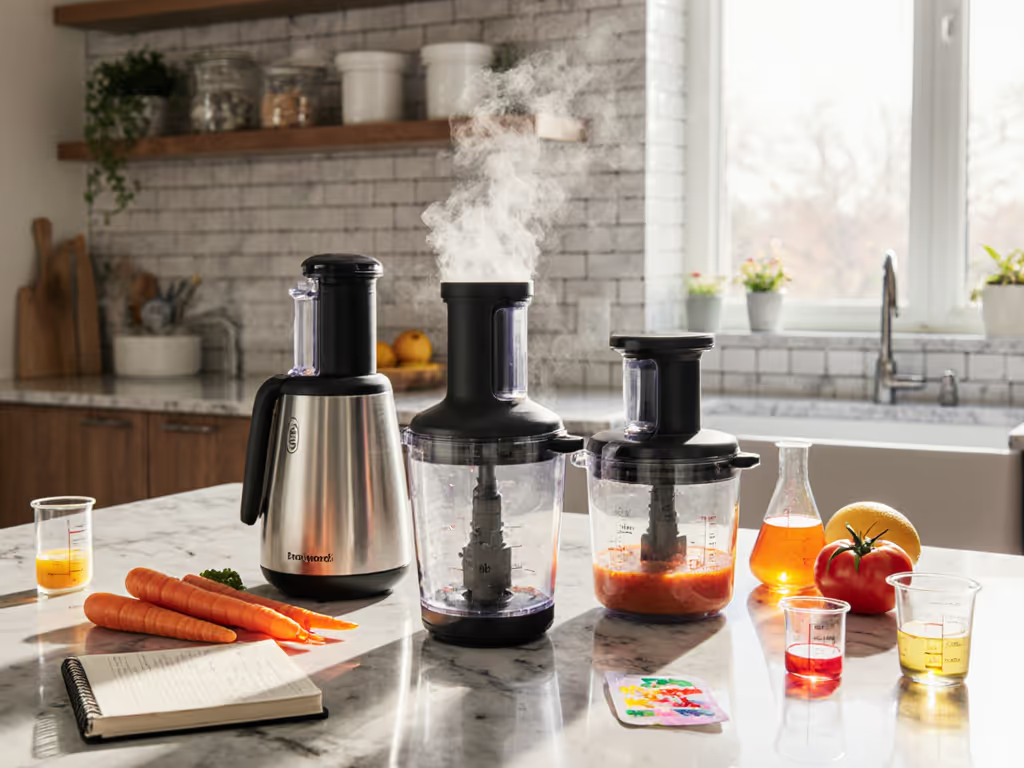
When you're preparing acidic baby food (think tomato purees, citrus, or berries), the material your appliance is made from isn't just a detail. It's a safety and longevity issue. Acidic foods can leach metals from reactive cookware and food-contact surfaces, and they'll degrade cheaper plastics and seals far faster than neutral purees. Most parents don't know this until they've already bought the wrong machine.
I learned this the hard way. In my 400-square-foot kitchen, I batch-cooked purees in a rice cooker. If your space is tight, compare our quiet space-saving baby food makers to see which models actually fit under cabinets. It turns out that stainless steel vessel was my best defense against acidity. One tool that replaces three is money in the bank, and choosing materials wisely meant it stayed reliable across tomato, strawberry, and plum batches for two years. This guide breaks down what actually works for acidic foods, where you can save money, and where paying for the right material pays dividends.
Acidic foods (with a pH below 4.6) are aggressive. They corrode aluminum, strip protective layers off stainless steel alloys, and can soften or leach chemicals from lower-grade plastics and silicone seals. Citric acid, a common preservative in commercial baby foods, is particularly reactive. When a baby food maker isn't rated for acidic materials, you risk:
The good news: acid-resistant baby food equipment exists, and it doesn't always cost premium prices. The bad news: most mid-range food makers aren't explicitly tested or marketed for high-acid prep. You're left guessing.
Price-to-performance math: Stainless steel is the gold standard for acidic food prep. Grade 304 handles low to moderate acid exposure; Grade 316 (with added molybdenum) resists higher acidity and chlorides better. Both are significantly more durable than aluminum or mild steel.
What to look for:
Skip-this flag: Appliances listing "stainless-steel finish" but aluminum or plastic bowls. This is marketing, not protection.
For acidic foods, standard silicone seals can soften or leach over time. Look for:
Value tier insight: Machines priced $40-$80 often have generic silicone; mid-range models ($120-$200) typically specify food-grade compounds. At $200+, seals are usually rated for both high and low pH, and they're replaceable.
Not all plastics are created equal for acidic foods. Polypropylene (PP) and polycarbonate (PC) resist acid better than polyethylene (PE) or polyurethane (PU). BPA-free doesn't automatically mean acid-safe.
What to verify:
Real-world note: If a plastic component turns orange or brown after you've steamed and blended tomatoes, it's absorbing pigment and potentially leaching softeners. It's a sign the plastic grade isn't appropriate.
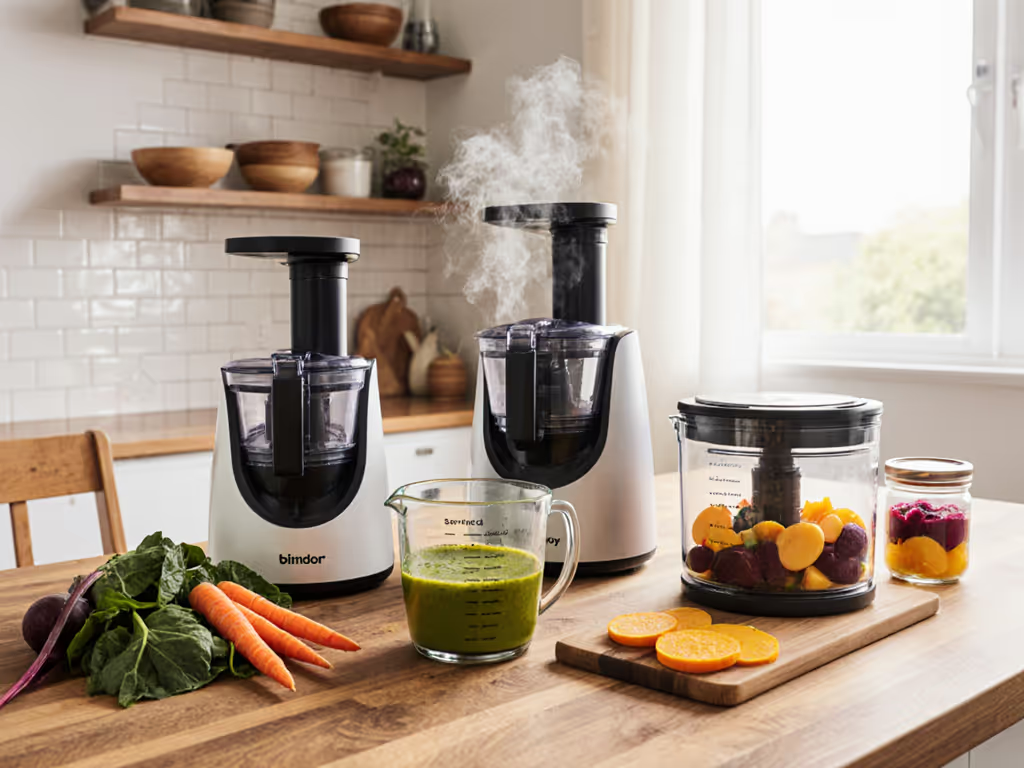
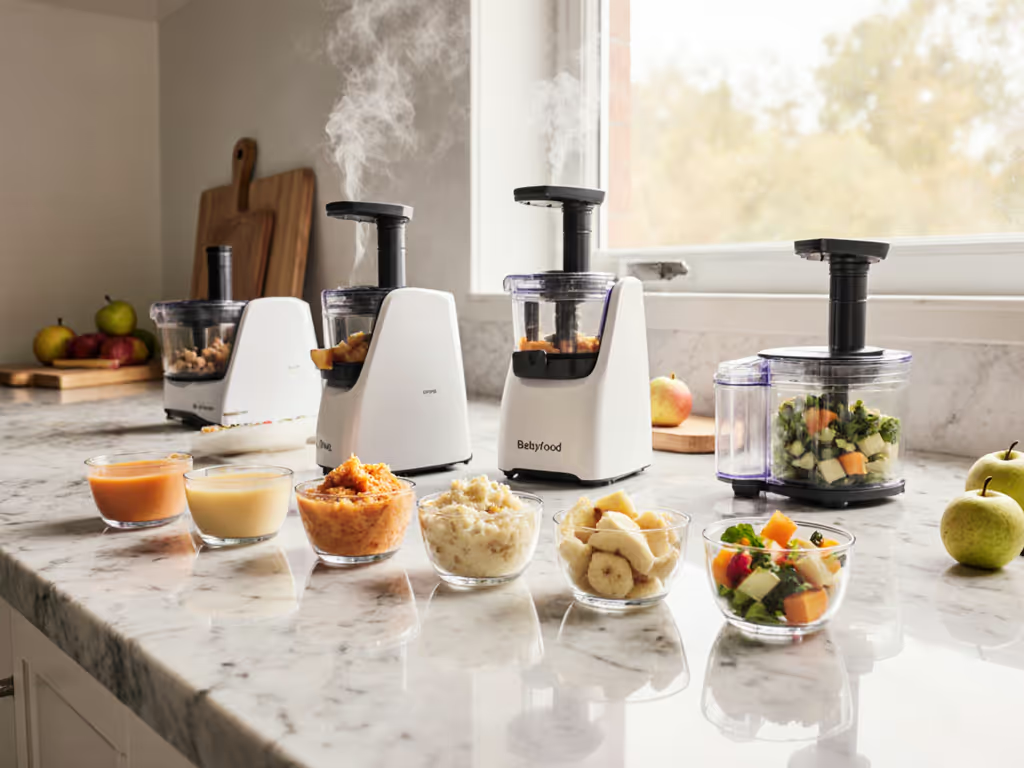
These units integrate steaming and blending in one acid-resistant baby food equipment package, with stainless vessels throughout.
Pros:
Cons:
Price-to-performance win: Mid-range stainless combos ($150-$220) offer the best value if you batch-cook 1-2 times weekly. Skip the $400+ premium brands unless you need toddler-sized portions; they're paying for extras, not acid resistance.
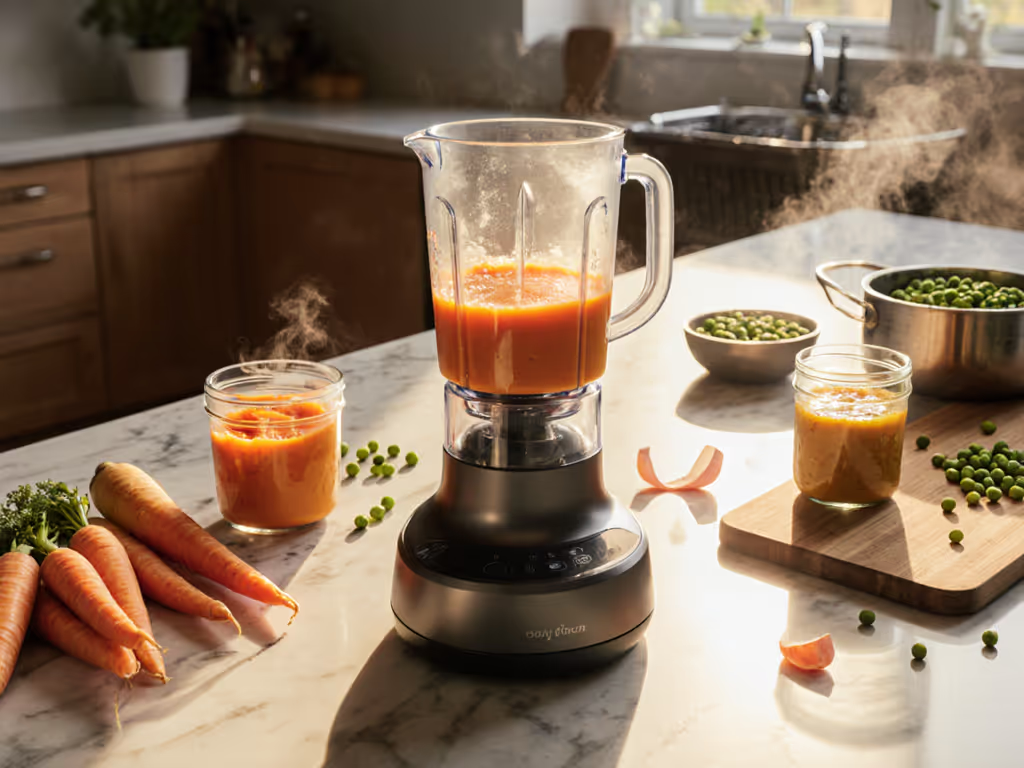
A non-reactive baby food maker approach that costs less upfront: a basic stainless steel steamer basket or silicone steamer, plus a stick blender with stainless steel shaft and head. Not sure if this route fits your home? See our handheld blender vs baby food maker comparison for noise and workflow trade-offs.
Pros:
Cons:
Small-space hack: In my galley kitchen, this was the workflow that stuck. Batch steam in a 2-quart stainless pot with a folding steamer basket ($15), then blitz in a stainless bowl with a stick blender ($40). Cleanup was one pot, one bowl, one blender, and acidity wasn't eroding anything. One tool replacing multiple setups saved counter real estate and money.
Some newer models use borosilicate glass bowls (non-reactive, inert) paired with stainless internals. Glass is acid-proof but heavier and breakable.
Pros:
Cons:
Skip-this flag: Glass-bowl machines marketed as "acid-proof" when they're just using glass for visibility, not specifically engineered for acidic load. Ask: Why glass? If the answer is marketing, not material science, pass.
| Tier | Typical Cost | Best For | Acid Readiness | Trade-Off |
|---|---|---|---|---|
| Budget ($40-$80) | Basic combo units or steamer + cheap blender | Occasional puree makers, neutral foods | Plastic seals may degrade; check specs carefully | Shorter lifespan; seals not replaceable |
| Mid-Range ($120-$220) | Dedicated stainless combos or quality steamer + mid-tier blender | Regular batch cookers, frequent acidic foods | Stainless vessels + food-grade silicone; acid-safe | May lack quiet operation; smaller capacity |
| Premium ($250+) | High-end combos, specialty steamer-blender sets | Daily prep, large batches, acid + neutral rotation | Full 316 stainless, replaceable seals, temperature sensors | Overkill unless you're processing 5+ portions daily |
Price-to-performance math: Pay for function, not foam packaging. For acidic foods specifically, the jump from budget to mid-range ($120 extra) buys you stainless-steel reliability and food-grade seals that won't fail after six months of tomato puree. The jump to premium doesn't move the acid-resistance needle, it pays for app connectivity or fancy aesthetics.
Combo unit as your anchor: One stainless steamer-blender handles 80% of acidic prep. Store a silicone steamer basket inside the bowl when not in use. Takes up one cabinet shelf.
Stick blender for secondary batches: Smaller motor, quieter, one-handed. Use it with any stainless bowl while the combo unit sits idle. $40-$60 buys you a backup that doesn't compete for space.
Freezer-compatible storage containers: Stainless steel, glass, or BPA-free plastic (pick one and stick with it). Batch puree directly into them. Removes the need for intermediate bowls.
Acidic prep often requires longer blending (tomato skins are tougher than sweet potato). For model-by-model decibel spikes during each step, see our nap-safe prep stages test. Louder machines take longer, waking napping babies. A mid-range combo or a quality stick blender will blend acidic foods faster and quieter.
Real scenario: Tomato puree batch took 3 minutes on a $50 steamer combo (75 dB) versus 90 seconds on a $160 model (68 dB). The $160 machine also has a stainless bowl sealed with food-grade silicone rated for pH 2-10. Over two years of weekly tomato batches, the cheaper unit's seal degraded; the mid-range unit didn't.
When shopping, demand specifics: For a plain-English overview of UL, CE, and FDA marks—and how to verify them—read our appliance safety marks explained.
Skip-this flag: Vague marketing like "premium materials" or "medical-grade stainless" without specific alloy grades. Real acid-resistant brands list 304 or 316 stainless, specify gasket compounds, and publish testing data on request.
Acidic purees freeze well but degrade faster than neutral purees in storage (roughly 2-3 months at 0°F versus 4-6 months for sweet potato or pear). For portions, labeling, and freezer organization, see our baby food storage guide. Plan accordingly:
This is where small-batch workflow systems shine. A combo machine with a 16-20 oz bowl lets you prep 3-4 small portions weekly without burnout. It beats a clunky 40 oz machine that requires monthly marathons.
If you're shopping for a tomato puree preparation or citrus fruit baby food maker, here's your decision tree:
Audit your space: Measure under-cabinet clearance and available drawer depth. This often rules out machines before price matters.
List what you'll prep: Acidic foods (tomato, citrus, berries) 70% of the time? Commit to stainless steel throughout. Mostly neutral purees (squash, pear) with occasional acid? Mid-tier equipment with food-grade silicone is enough.
Verify acid readiness: Email the manufacturer with this exact question: "What pH range are the bowl, blade, and gasket rated for?" Real companies reply within 24 hours with spec sheets. Silence is a red flag.
Check seal replaceability: Ask if gaskets and seals are sold separately. Brands that offer replacements at $15-$25 are betting on longevity; brands that don't are planning obsolescence.
Prioritize stainless for acidic work: The $100-$150 jump from budget to mid-range buys you durability that pays off over 2+ years. Great baby feeding doesn't require premium gear, but acidic foods demand materials that won't corrode or leach. That's not premium, that's foundational.
Batch-cooking with the right materials transforms feeding from a weekly stress into a calm, repeatable system. Pay for function, not foam packaging, and choose acid-resistant baby food equipment that keeps both your kitchen small and your confidence high.