High-Humidity Baby Food Preparation: 9 Science-Backed Fixes
10th Jun•9 min read
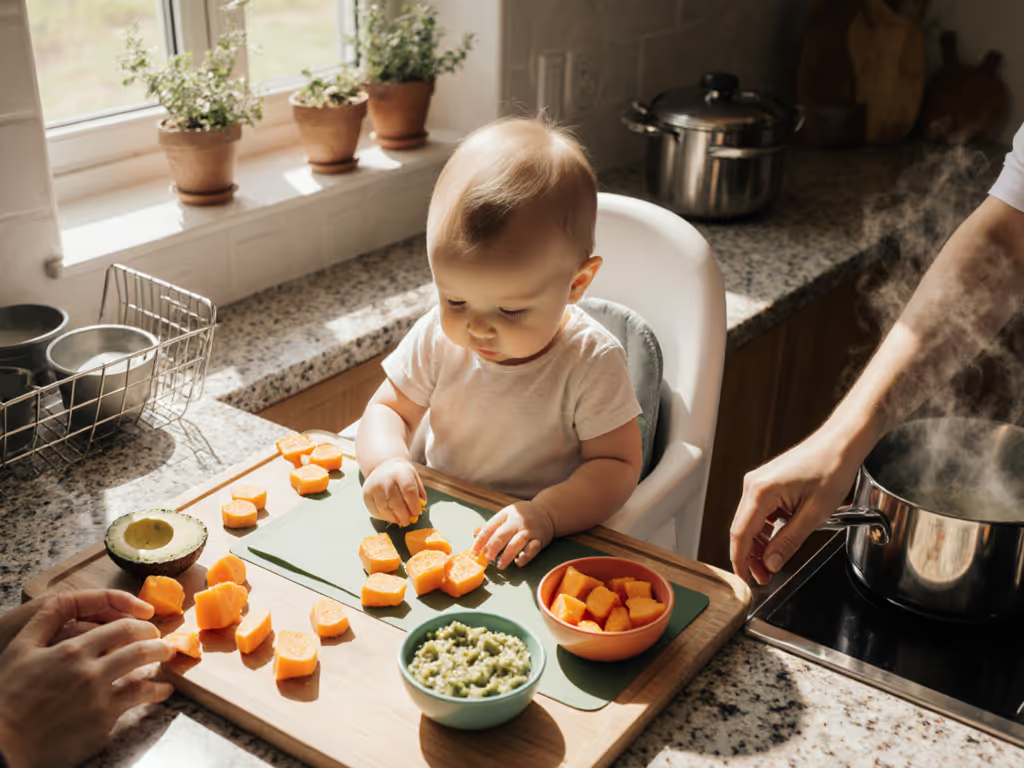
Baby-led weaning is an approach where infants self-feed finger foods rather than consume spoon-fed purees. For families choosing BLW, the role of a food preparation tool shifts dramatically: instead of blending into smooth textures, the goal is to steam vegetables, grains, and proteins into soft, age-appropriate chunks or strips that an infant can grasp and chew safely. This distinction matters because most commercial baby food makers are engineered for puree production. Understanding the difference clarifies which machines actually serve your workflow and which will sit unused. For a side-by-side breakdown, see our BLW vs puree baby food maker comparison.
The core appeal of BLW is autonomy and developmental benefit (infants practice chewing, gag-reflex calibration, and self-directed pacing). From a logistics standpoint, this means you need a tool that excels at one task (steaming to precise softness) rather than a multistage processor. Heat plus time reveals truth: a simple steamer vessel often outperforms an over-engineered all-in-one device when your end goal is texture control, not puree consistency.
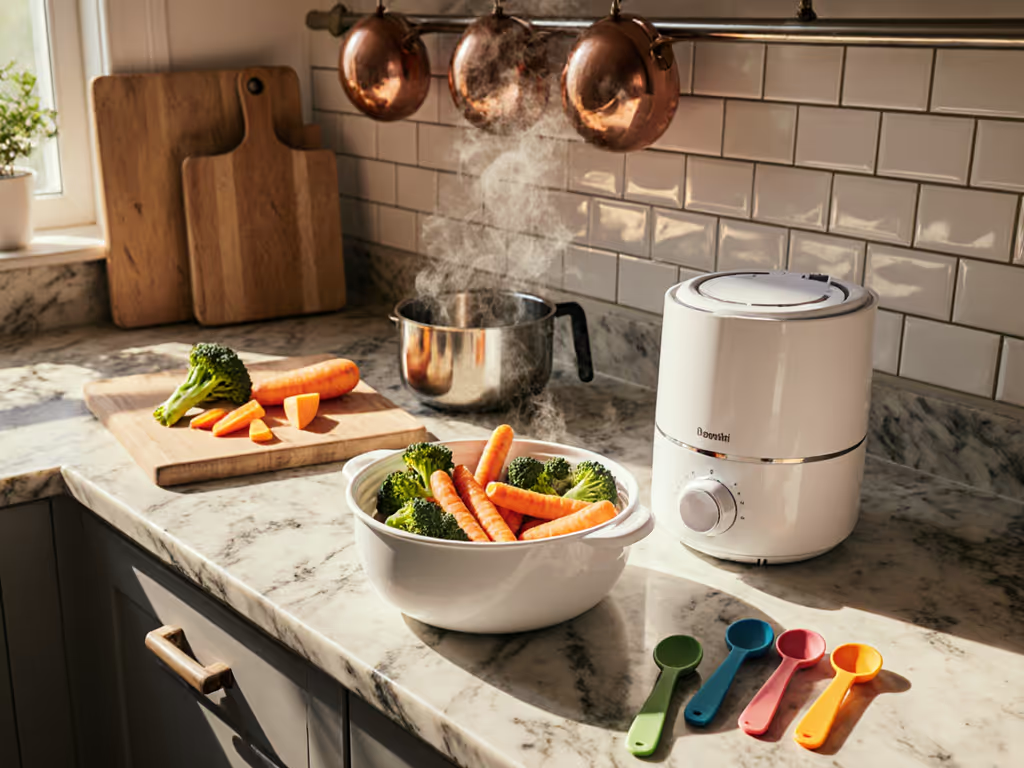
Steaming is the bottleneck in BLW food prep. Boiling leaches water-soluble vitamins and minerals; roasting adds complexity and inconsistent doneness. Steaming, by contrast, preserves nutrient density while delivering predictable softness. We compare nutrient outcomes in our steamer vs non-steamer analysis. The steam-cooking stage is where you make or break texture safety: too firm and the baby cannot break it down; too soft and it becomes baby food puree by another route.
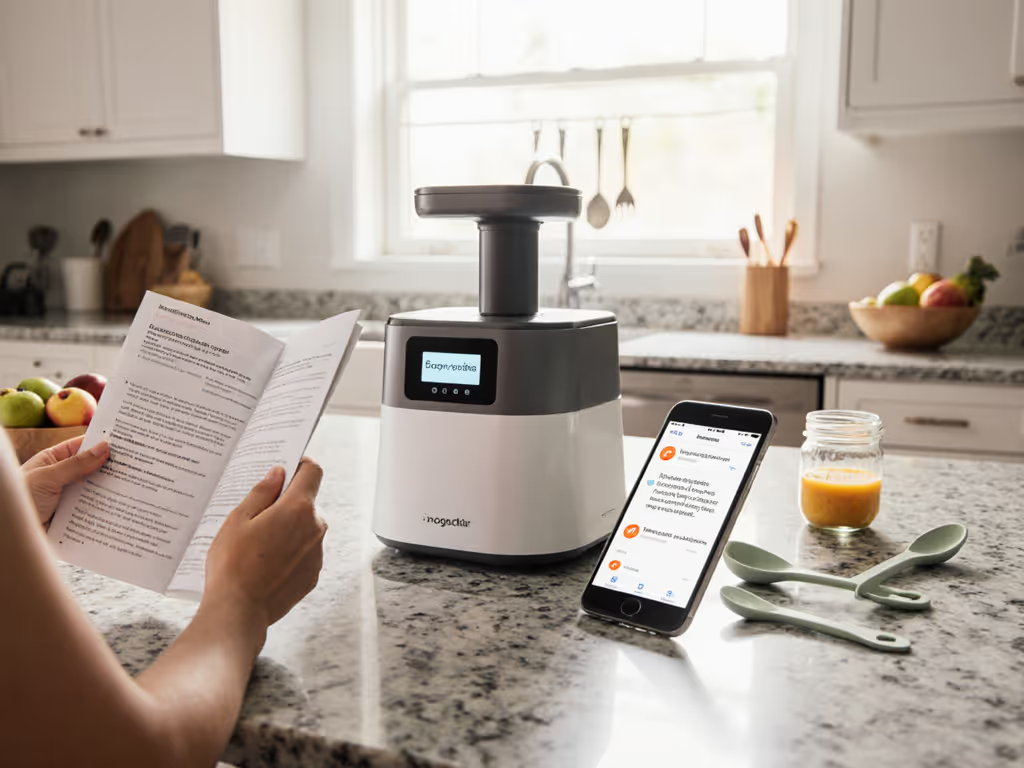
Blending, grinding, or mashing in the BLW context is secondary and optional. Many families never blend at all; they simply steam and cut. For others, a quick pass through a blender helps create a dip or sauce for self-feeding, but this is not the core function. When you buy a "steam and blend" device marketed for general baby food, you are paying for blending capacity you may never use, and you are investing in complexity that slows cleanup and increases failure points (dull blades, leaky seals, clogged vents).
The practical implication: a standalone, single-function steamer basket or tier often serves BLW families better than a multifunction food processor. It is quieter, easier to clean, and lets you control the final texture by hand (via cutting, smashing, or a separate handheld tool if texture variation is needed).
Texture is a safety variable. Use our gag-free texture progression guide to align softness with age and developmental readiness. The British Association for Parenteral and Enteral Nutrition (BAPEN) and similar guidance bodies define texture stages by age and developmental readiness. For infants aged 6 to 8 months starting BLW, soft foods should be mashable between thumb and two fingers; by 10 to 12 months, slightly firmer finger foods that require more chewing are appropriate.
Steaming times vary by ingredient and thickness:
The goal is an internal softness that yields to gentle pressure from a spoon edge, but retains shape during handling. Test by cutting a sample piece in half; no resistance at the center signals doneness.
A kitchen timer and a simple visual check (steam volume, condensation pattern) replace guesswork. Many families prefer a basic bamboo or stainless-steel steamer tier or collapsible basket over electronic timers, which add cost and failure points, and which cannot tell you if steam pressure or water level is adequate. A lid that fits snugly and a clear water-line mark on the pot are your real safety tools.
BLW families (and those with multiple children with different allergies or dietary restrictions) benefit from minimal-processing workflows. If you steam vegetables whole, cut them by hand, and serve immediately, you eliminate:
This is not a fear-based point; it is a practical one rooted in cross-contamination mechanics. Gaskets, motor housings, and blade undercarriage are difficult to inspect visually and test after cleaning. A straightforward steamer + cutting board + knife workflow gives you complete visibility of every surface that touches food. If allergen separation is your goal, this transparency matters.
For families who do want to blend or mash (for texture variation or to create a family-meal sauce), a separate handheld immersion blender or small food processor reserved for that task (and thoroughly cleaned and air-dried after each use) is clearer than relying on the residual cleanliness of a shared appliance.
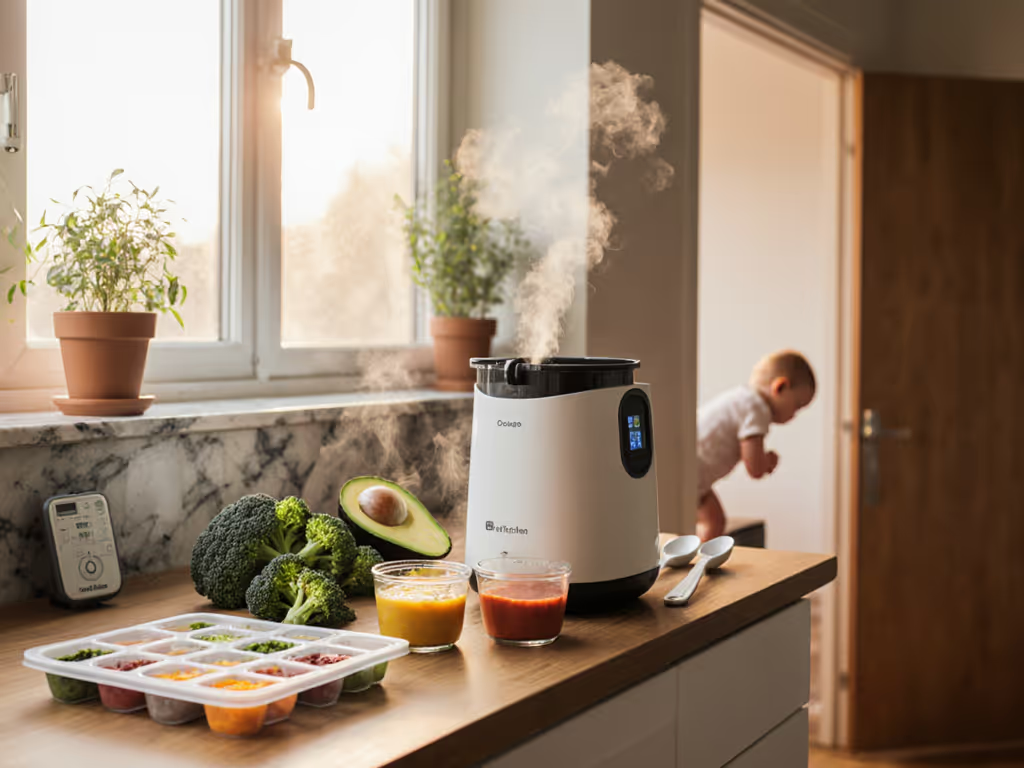
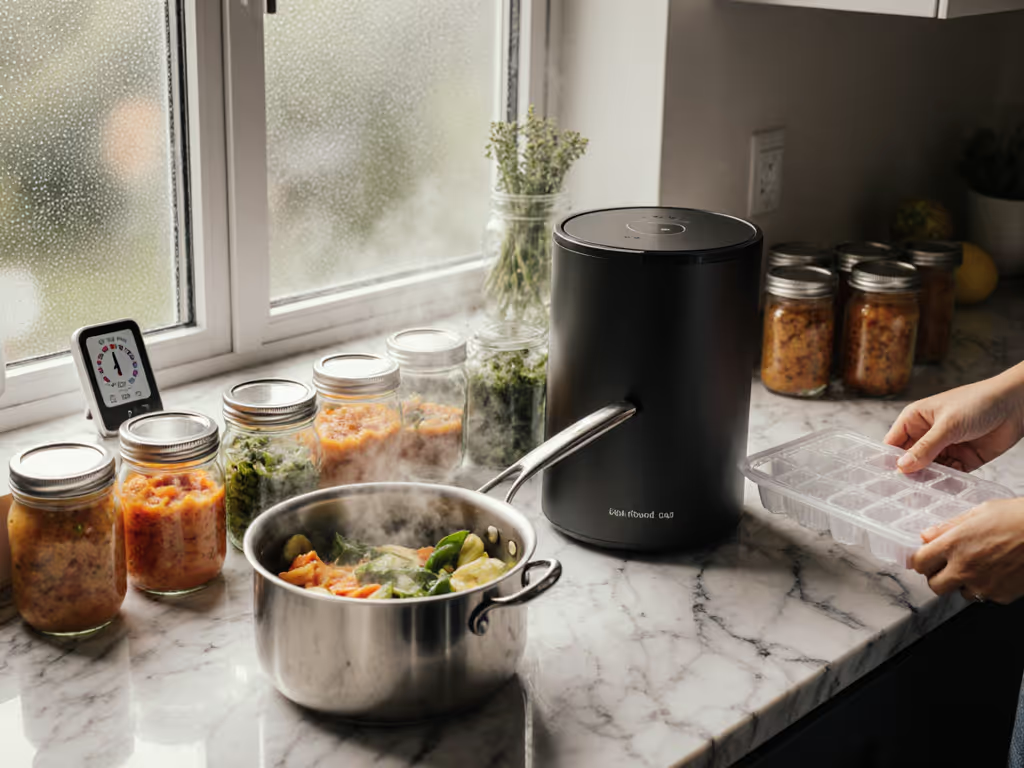
Batch cooking is practical for BLW because you can freeze prepared vegetables and proteins in ice-cube trays or small containers, then thaw one or two portions as needed. If your workflow is steam, cool, cut, freeze, you have flexibility: the same steamed vegetables can be served as finger sticks for self-feeding, mashed into a sauce, or mixed into a grain bowl for a toddler. You are not locked into a puree format.
Electronic food makers often include matching storage containers, but these add cost and take up cupboard space. Standard ice-cube trays, small glass containers, and silicone freezer bags are cheaper, more versatile, and easier to rotate. The steaming step itself requires no special vessel, a pot with a steamer basket or tier and a lid is sufficient and lasts decades.
Many caregivers cite noise and counter space as deciding factors. A standalone pot and steamer basket occupy minimal space, produce minimal noise (just a gentle boil and lid rattle), and can be stored in a cabinet alongside other cookware. Electronic food makers, even "compact" models, need counter or deep drawer real estate and typically produce 70 to 85 decibels during blending, enough to disrupt a sleeping infant in the next room or trigger a pet's anxiety.
For caregivers managing nap schedules or postpartum sleep deprivation, quietness is not a luxury; it is a productivity requirement. The analysis is straightforward: steam the vegetables during a longer nap window (steaming is quiet and takes 15 to 25 minutes), cool and cut them while the baby plays, then freeze in batches. No blending necessary. No noise risk. If you do want a machine, these nap-safe quiet models minimize decibel spikes during steaming and blending.
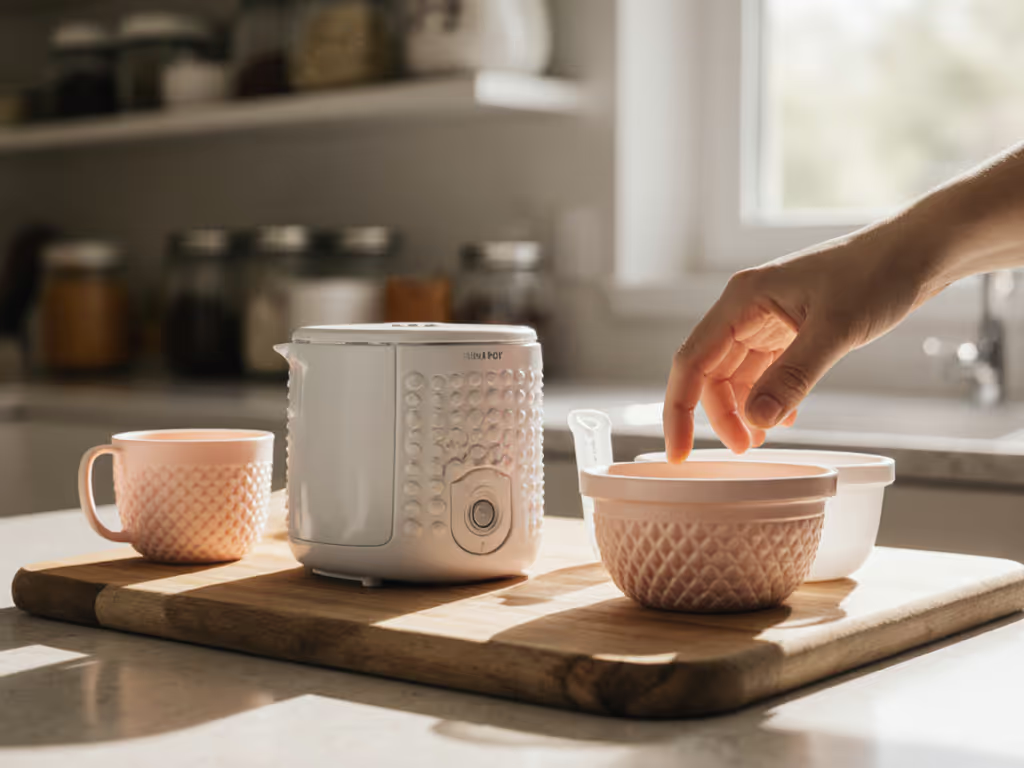
If your primary feeding approach is BLW, a basic steamer setup (pot + basket + lid) costs $20 to $50 and serves the task. If you want a dedicated electric steamer for convenience or batch efficiency (for example, a model that steams in a single tier and cools quickly), expect to spend $40 to $100 for a reliable, durable unit with few parts. These models typically have a heating element, a simple on/off switch, an indicator light, and a stainless-steel or BPA-free plastic bowl.
The decision hinge is not features; it is reliability and cleanup. Does the unit dry quickly? Are all parts accessible for inspection and cleaning? Is the heating element separate from the food chamber? Are replacement gaskets available if a seal fails? These details predict whether the tool will genuinely reduce your workload or become another source of stress.
Many dual-function machines marketed as "steam and blend" add complexity without serving BLW directly. If blending is genuinely part of your plan (to make dips, sauces, or occasional texture variation for a reluctant eater), a separate, small immersion blender or food processor (used infrequently and cleaned thoroughly) is often clearer and less burdensome than a single device trying to do two jobs well.
BLW is not an all-or-nothing philosophy. Many families blend BLW with occasional purees (for on-the-go convenience), soft mashed foods, and family meals adapted for the infant. Equipment choices should reflect your actual practice, not an idealized version. If you find yourself using a blender once a week for a sauce or smoothie bowl, that is legitimate, and a small, separate tool often serves better than a dedicated multifunction device.
As your child transitions from infant feeding to toddler meals (around 18 to 24 months), a reliable steamer continues to serve family cooking. For inspiration beyond infancy, try our family meals beyond purees to keep the tool useful for years. A good steamer outlasts single-purpose baby gear by years. By contrast, a baby-specific food processor is typically retired or repurposed within 12 to 18 months. The equipment decision, then, is partly about which tool will remain useful in your kitchen once the baby-feeding chapter closes.
For caregivers navigating postpartum recovery, disabilities, or one-handed operation, simplicity is self-care. A pot, steamer basket, and timer require no motor control, no complex assembly, and no cleanup beyond rinsing. Safety is clarity: know what touches the food, how it heats, and how it cleans, then choose accordingly.