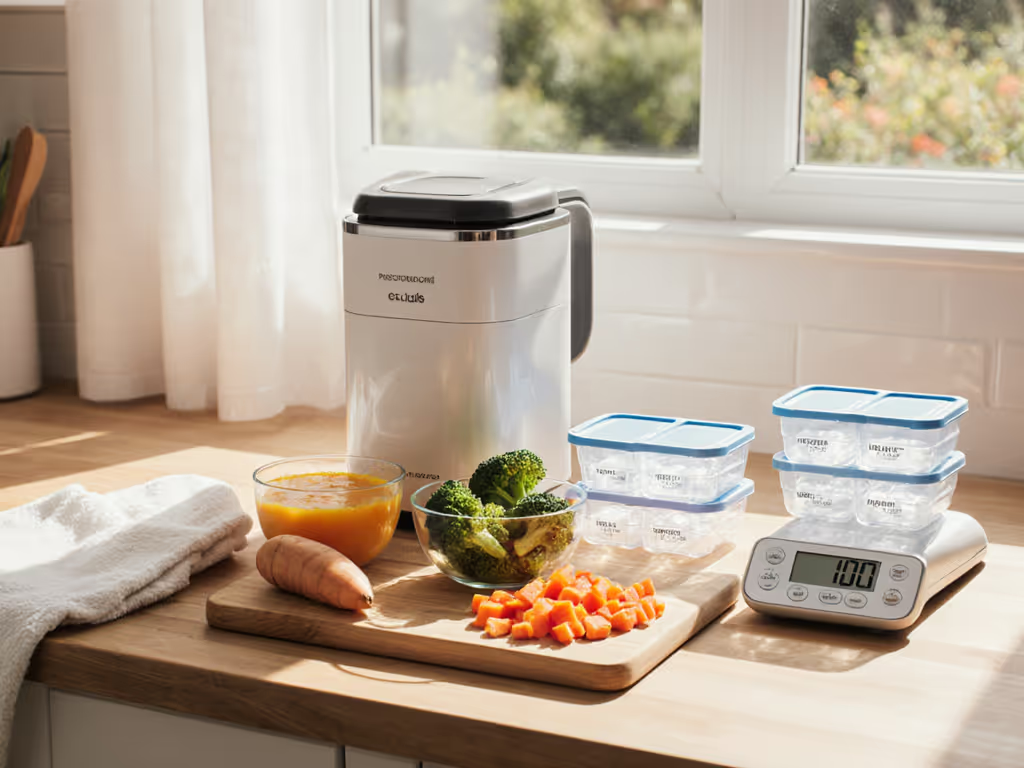
Pediatrician Recommended Baby Food Prep: Step-by-Step Guide
12th Nov•10 min read
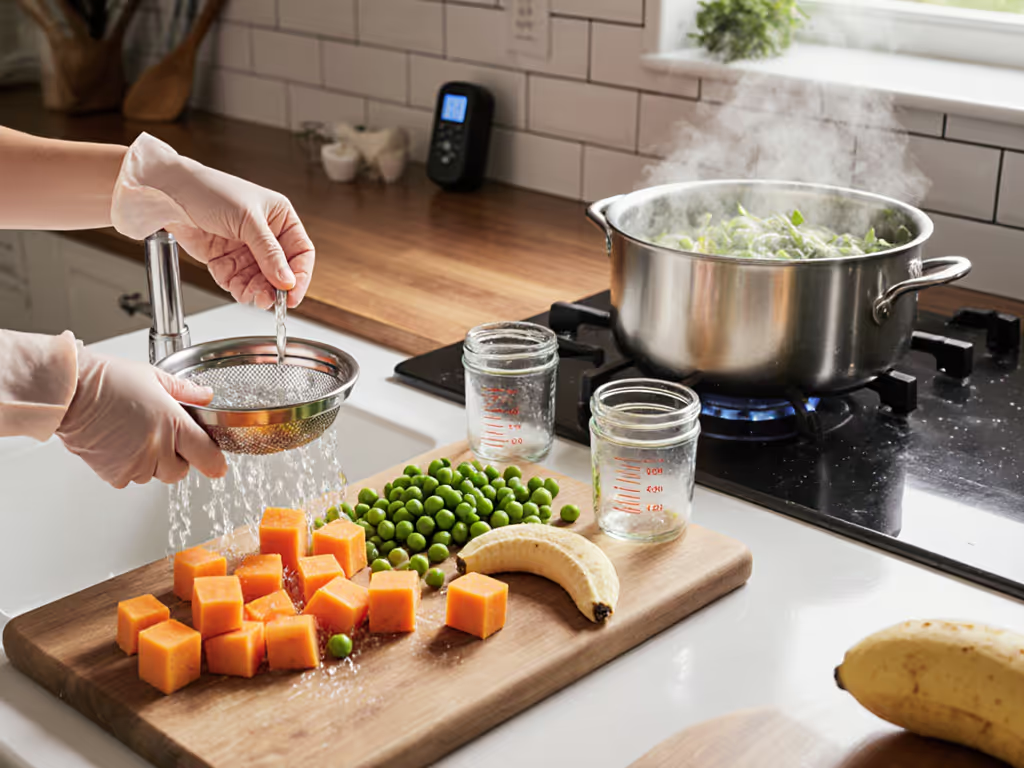
Did you know that babies are up to five times more likely than adults to suffer serious illness from contaminated food? Preparing safe, healthy meals for your little one starts long before the first spoonful. The choices you make in the kitchen directly affect your baby's health, from washing hands to picking the right tools. Mastering each step in baby food prep helps protect growing immune systems and gives you peace of mind during every mealtime.
| Takeaway | Explanation |
|---|---|
| 1. Always wash hands and surfaces before prep | Wash with warm water and antibacterial soap for at least 20 seconds to prevent contamination. |
| 2. Use fresh, organic ingredients | Choose quality produce and wash raw foods to minimize pesticide exposure and contaminants. |
| 3. Select quiet, safe appliances | Use food makers that are easy to clean and operate quietly to avoid disturbing your baby. |
| 4. Store baby food correctly | Use airtight, food-safe containers and consume within 1-2 days to ensure freshness and safety. |
| 5. Prevent cross-contamination | Employ separate cutting boards for raw foods and keep surfaces clean to reduce bacterial spread. |
Baby food preparation begins with one fundamental rule: pristine cleanliness. Bacteria are tiny troublemakers that can quickly turn a nutritious meal into a health risk for your little one.
The World Health Organization emphasizes that hand washing is not just a suggestion it is a critical safety protocol. Babies have developing immune systems that make them significantly more vulnerable to foodborne illnesses compared to adults. Before touching any food preparation equipment or ingredients, you need to thoroughly wash your hands with warm water and antibacterial soap for at least 20 seconds.
Your kitchen surfaces are equally important. Clean and sanitize all countertops, cutting boards, and utensils before starting baby food prep. Use hot soapy water or a food safe sanitizing solution to eliminate potential bacterial contamination. Pay special attention to areas that frequently contact raw foods or have been touched multiple times during meal preparation.
Remember that consistent hygiene practices protect your baby from potential foodborne illnesses and create a safe nutritional environment. Washing hands and surfaces is a simple yet powerful way to show your commitment to your child's health.
Your baby's nutrition starts with selecting the absolute best ingredients possible. Quality matters more than quantity when preparing homemade baby food.
Fresh produce and clean ingredients are fundamental to creating safe and nutritious meals for your infant. The World Health Organization recommends thoroughly washing all raw foods to remove potential contaminants before processing. Look for organic produce when possible and prioritize fruits and vegetables with minimal pesticide exposure.
Cooking methods play a crucial role in preserving nutritional value and ensuring safety. Experts suggest using gentle cooking techniques like steaming or boiling to maintain food nutrients while eliminating harmful bacteria. Avoid adding salt, sugar, or unnecessary fats that could compromise your baby's developing nutritional needs.
Prioritize whole foods that are minimally processed and free from artificial additives. Your baby's developing body requires pure nutritional sources that support healthy growth and immune system development. By carefully selecting high quality ingredients and preparing them thoughtfully you create a solid foundation for lifelong healthy eating habits.
Baby food preparation requires the right tools that prioritize safety, efficiency, and cleanliness. Not all kitchen appliances are created equal when it comes to making nutritious meals for your little one.
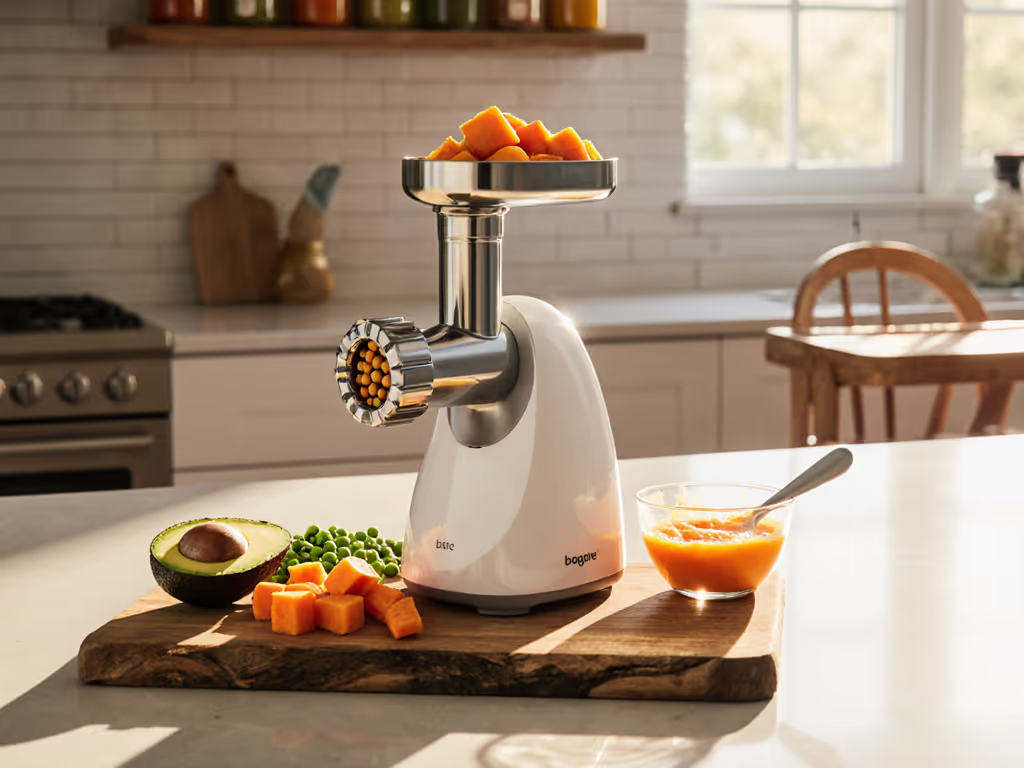
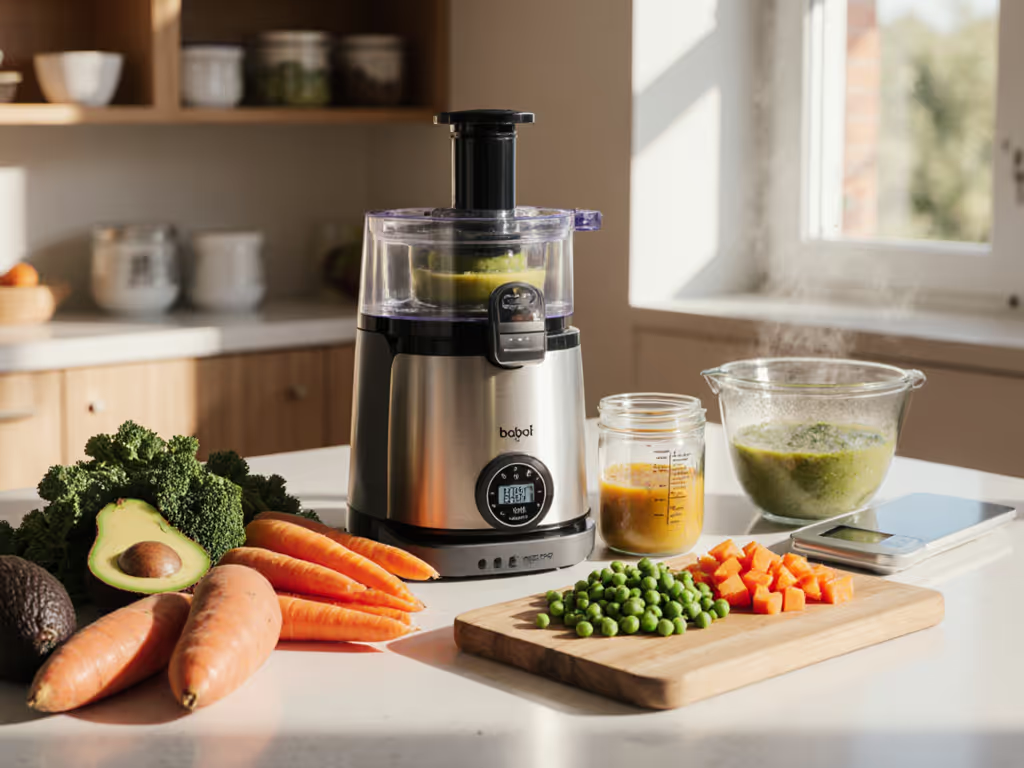
The equipment you choose can significantly impact your food preparation process. Look for baby food makers with smooth interior surfaces that prevent bacteria buildup and can be easily sanitized. Stainless steel or food grade materials work best because they resist bacterial growth and can withstand high temperature cleaning.
Noise levels matter more than you might think. Babies are sensitive to loud sounds and can become startled or upset by noisy kitchen appliances. Select food preparation tools that operate quietly to minimize disruption during meal preparation or naptime. Seek out models with sound dampening technology or lower decibel ratings.
Remember that your baby food preparation equipment is an investment in your child's nutrition and safety. Take time to research and select tools that make the process smoother while maintaining the highest standards of hygiene and convenience. The right appliances can transform meal preparation from a challenging task to an enjoyable bonding experience.
Baby food storage is not just about convenience it is about safety. The containers you choose can make a significant difference in preserving your baby's nutritional meals and preventing potential bacterial contamination.
The Federal Drug Administration provides critical guidance about baby food storage. Their research indicates that prepared baby food should be refrigerated and consumed within 1 to 2 days to minimize bacterial growth risks. Temperature and container material are two crucial factors in maintaining food safety for your infant.
Choose containers specifically designed for baby food storage. Look for materials that are durable food grade and free from harmful chemicals like BPA. Glass and high quality medical grade silicone containers offer excellent preservation and can be easily sanitized. Avoid plastic containers with recycling codes 3 6 and 7 which might contain potentially harmful chemicals.
Remember that proper storage is not just about keeping food fresh it is about protecting your baby's health. By investing in the right storage solutions and following strict food safety guidelines you create a safe nutritional environment for your little one. Thoughtful preparation and storage can make all the difference in your baby's dietary journey.
Invisible threats lurk in your kitchen when preparing baby food. Cross-contamination can transform a nutritious meal into a potential health risk for your vulnerable infant.
The World Health Organization highlights cross-contamination as a significant source of foodborne illnesses. Raw foods carry bacteria that can quickly spread across your kitchen surfaces and utensils. Babies have delicate immune systems that make them particularly susceptible to these microscopic dangers.
Your preparation area requires strategic organization to prevent bacterial transfer. Designate specific cutting boards for raw proteins and separate boards for fruits and vegetables. Always clean surfaces and utensils thoroughly between different food types. Use hot soapy water or food safe sanitizing solutions to eliminate potential bacterial spread.
Think of your kitchen as a protective zone where careful planning prevents potential illness. By implementing these strategies you create a safe environment that supports your baby's health and nutritional development. Meticulous attention to detail transforms food preparation from a simple task into an act of care and protection.
Cooking baby food is a delicate science where temperature and technique can make all the difference between a nutritious meal and a potential health risk. The way you prepare and cool food impacts its safety and nutritional value.
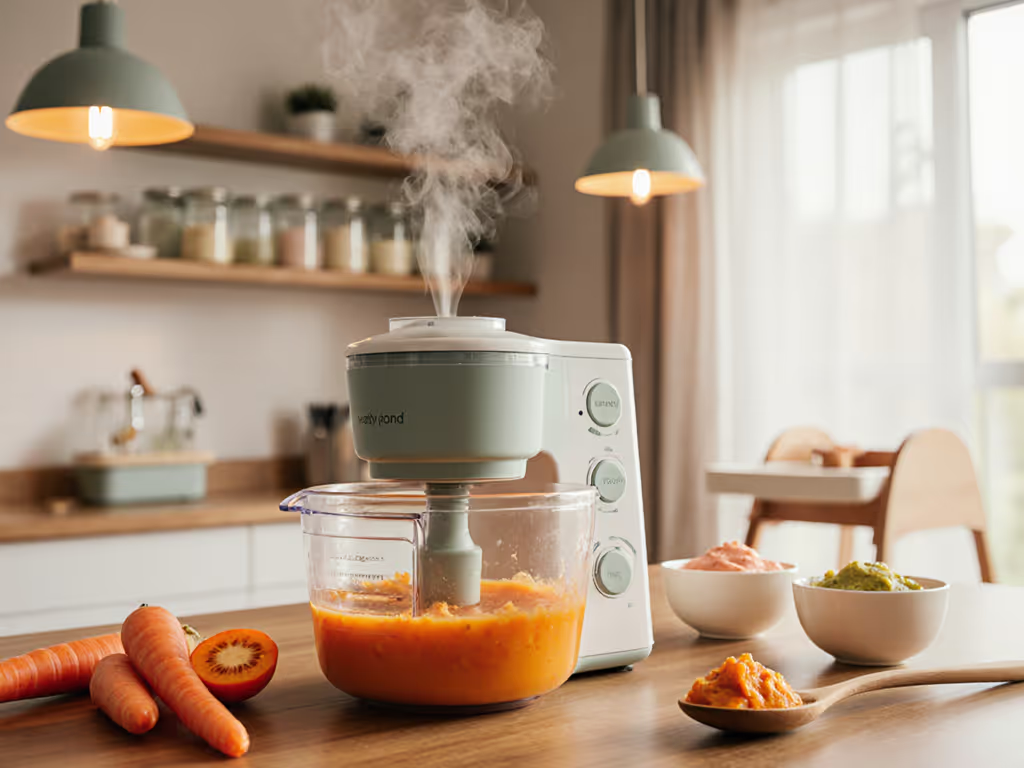
The World Health Organization provides clear guidance on food preparation temperatures. Thoroughly cooking food ensures that harmful bacteria are eliminated. Steaming emerges as the optimal cooking method for baby food because it preserves more nutrients compared to boiling while effectively killing potential pathogens.
Steaming requires precision. Aim to cook foods until they reach an internal temperature of at least 70 degrees Celsius. This temperature effectively destroys harmful microorganisms while maintaining the food's nutritional integrity. After cooking, allow the food to cool gradually to prevent bacterial growth and preserve texture.
Remember that your baby's developing immune system requires extra care. By mastering proper steaming and cooling techniques you transform simple ingredients into safe nutritious meals that support your child's growth and development.
Your baby food maker is more than an appliance it is a critical health tool. Neglecting its cleanliness can transform this helpful device into a potential breeding ground for harmful bacteria.
The World Health Organization underscores the importance of sanitizing all food preparation equipment. Baby food makers create an ideal environment for microbial growth due to their moist surfaces and frequent exposure to organic materials. Regular cleaning is not optional it is essential for protecting your infant's health.
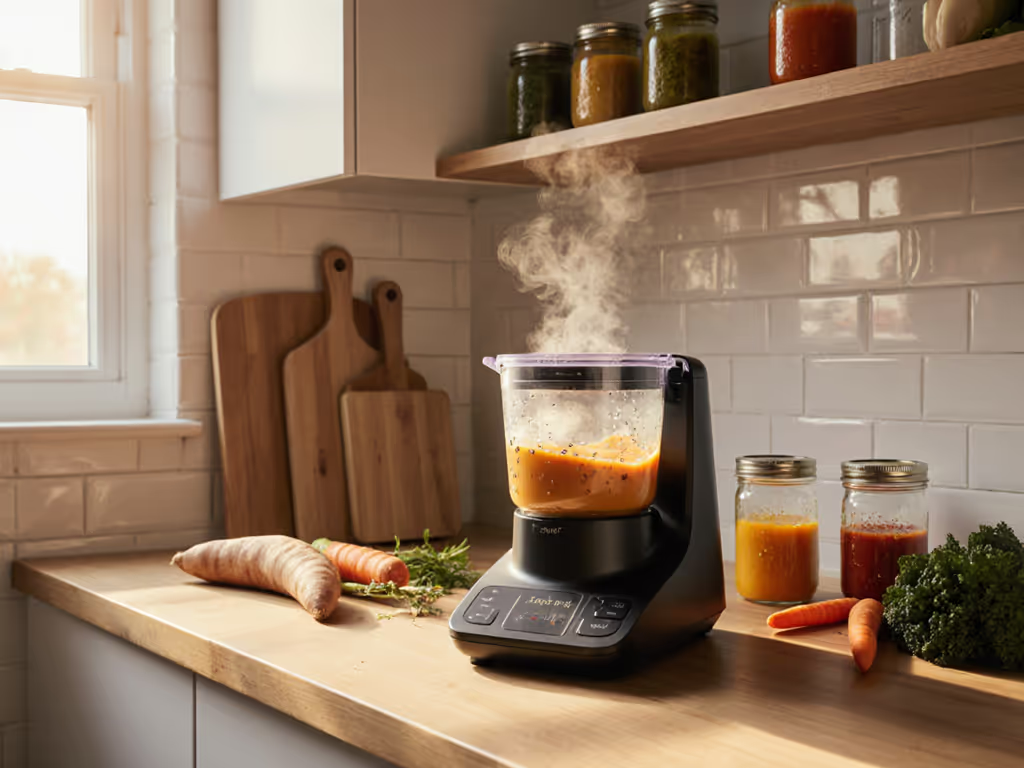
Establish a systematic cleaning routine that goes beyond surface wiping. Disassemble your baby food maker completely after each use. Use hot soapy water to clean all removable components and allow them to air dry. Consider using a specialized food grade sanitizing solution designed for baby equipment to eliminate any remaining microorganisms.
Think of cleaning your baby food maker as an investment in your child's health. A meticulously maintained appliance ensures that every meal you prepare is not just nutritious but also completely safe. Your diligence transforms a simple kitchen tool into a guardian of your baby's wellbeing.
Below is a comprehensive table summarizing the key strategies and safety protocols for preparing baby food as discussed in the article.
| Main Strategy | Key Points & Actions | Benefits/Outcomes |
|---|---|---|
| Wash Hands & Surfaces | Wash hands with warm water and soap for 20 seconds; clean all kitchen surfaces with hot soapy water. | Reduces risk of bacterial contamination, protecting baby's health. |
| Choose Fresh Ingredients | Opt for organic produce; wash and remove damaged parts; use gentle cooking methods. | Ensures high-quality nutrition and minimizes exposure to harmful substances. |
| Use Safe Appliances | Select non-toxic, quiet, and easy-to-clean equipment. | Enhances safety, efficiency, and creates a baby-friendly environment. |
| Proper Food Storage | Use BPA-free containers; store in fridge; label and maintain proper temperature. | Preserves nutrients and prevents bacterial growth. |
| Avoid Cross-Contamination | Use separate cutting boards and clean surfaces; wash hands after handling raw foods. | Prevents foodborne illnesses by avoiding bacterial spread. |
| Steam & Cool Food Properly | Steam food to 70°C and cool promptly; check temperature before serving. | Maintains nutritional value and ensures bacterial safety. |
| Regular Appliance Cleaning | Disassemble and wash with hot soapy water; use sanitizing solutions weekly. | Keeps equipment free of harmful bacteria, ensuring safe meal prep. |
Preparing healthy baby food while avoiding risks like cross-contamination or improper storage can feel overwhelming. This article highlights key challenges such as maintaining kitchen hygiene, selecting non-toxic ingredients, and using quiet, safe appliances that are easy to clean. These pain points impact your ability to confidently provide nutritious meals for your little one without stress.
At Parent Kitchen Lab, we understand how important it is to find the right baby food maker designed specifically with your needs in mind. Our expert reviews focus on appliances that combine safety, quiet operation, and convenience so you can protect your baby's health and enjoy smoother meal prep especially during busy or nap times. Explore our detailed buying guides and product comparisons to discover machines made from non-toxic materials with easy-to-clean parts that help prevent bacterial buildup and cross-contamination.
Ready to simplify your baby food preparation while ensuring every meal is safe and nourishing? Visit Parent Kitchen Lab now to find the ideal baby food maker tailored for diligent parents like you. Don’t wait another day to make your kitchen a safer space for your baby’s nutrition.
To ensure safety, wash your hands with warm water and antibacterial soap for at least 20 seconds before touching any food or equipment. Follow this step for every baby food preparation session to minimize the risk of foodborne illnesses.
Designate separate cutting boards for raw proteins and fruits or vegetables to avoid cross-contamination. Clean surfaces and utensils thoroughly with hot soapy water between handling different food types to ensure a safer preparation area.
Steaming is recommended as it preserves more nutrients and effectively eliminates harmful bacteria. Cut foods into uniform pieces and ensure they reach an internal temperature of at least 70 degrees Celsius before serving.
Store prepared baby food in tightly sealed, food-grade containers, and keep it refrigerated for no more than 1 to 2 days. Label each container with the preparation date to track freshness and safety.
Disassemble your baby food maker after each use and clean all removable parts with hot soapy water. Additionally, consider deep sanitizing the equipment weekly with a food-safe cleaning solution to eliminate any lingering bacteria.
Avoid adding salt, sugar, or unnecessary fats which could compromise your baby's developing nutritional needs. Focus on fresh, organic produce and ensure that all ingredients are thoroughly washed before use.