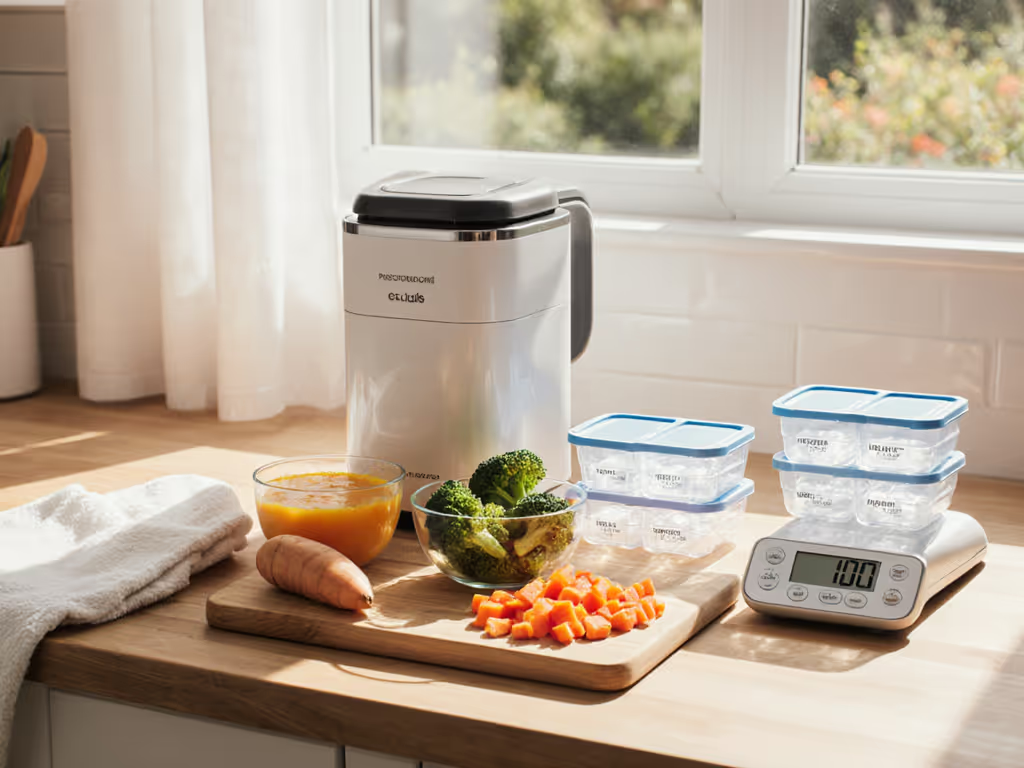
Pediatrician Recommended Baby Food Prep: Step-by-Step Guide
12th Nov•10 min read

More than 90 percent of new parents report feeling stressed about making homemade baby food safely. With nutrition and convenience on every parent’s mind, automated baby food prep has become a solution that transforms how families approach mealtime. From countertop gadgets to industrial machines, advanced systems now deliver consistent results in minutes, making it easier to provide safe and nutritious meals while cutting down on the risk of contamination.
| Point | Details |
|---|---|
| Automation Enhances Efficiency | Baby food prep automation significantly reduces preparation time, transforming the process from 30-45 minutes to under 10 minutes. |
| Nutritional Consistency and Safety | Automated systems ensure uniform texture and precise dosing, minimizing contamination risks while improving nutritional quality. |
| Financial Considerations | The total cost of ownership includes the initial investment, ongoing consumable costs, and potential resale value, requiring strategic financial planning. |
| Technology vs. Manual Flexibility | While automation offers convenience and precision, manual methods allow for more immediate adjustments and customization based on individual preferences. |
Baby food prep automation represents a technological approach designed to streamline infant nutrition preparation through advanced mechanical and digital systems. At its core, this innovation transforms traditional manual food preparation into a precise, efficient process that reduces human error and ensures consistent nutritional quality.
In practical terms, baby food prep automation encompasses several key technological interventions. These range from specialized machines like the BabyNes by Nestlé, which can automatically mix infant formula at precise temperatures and dosages in under a minute, to more complex industrial processing systems. Commercial-scale automation focuses on critical food safety elements such as:
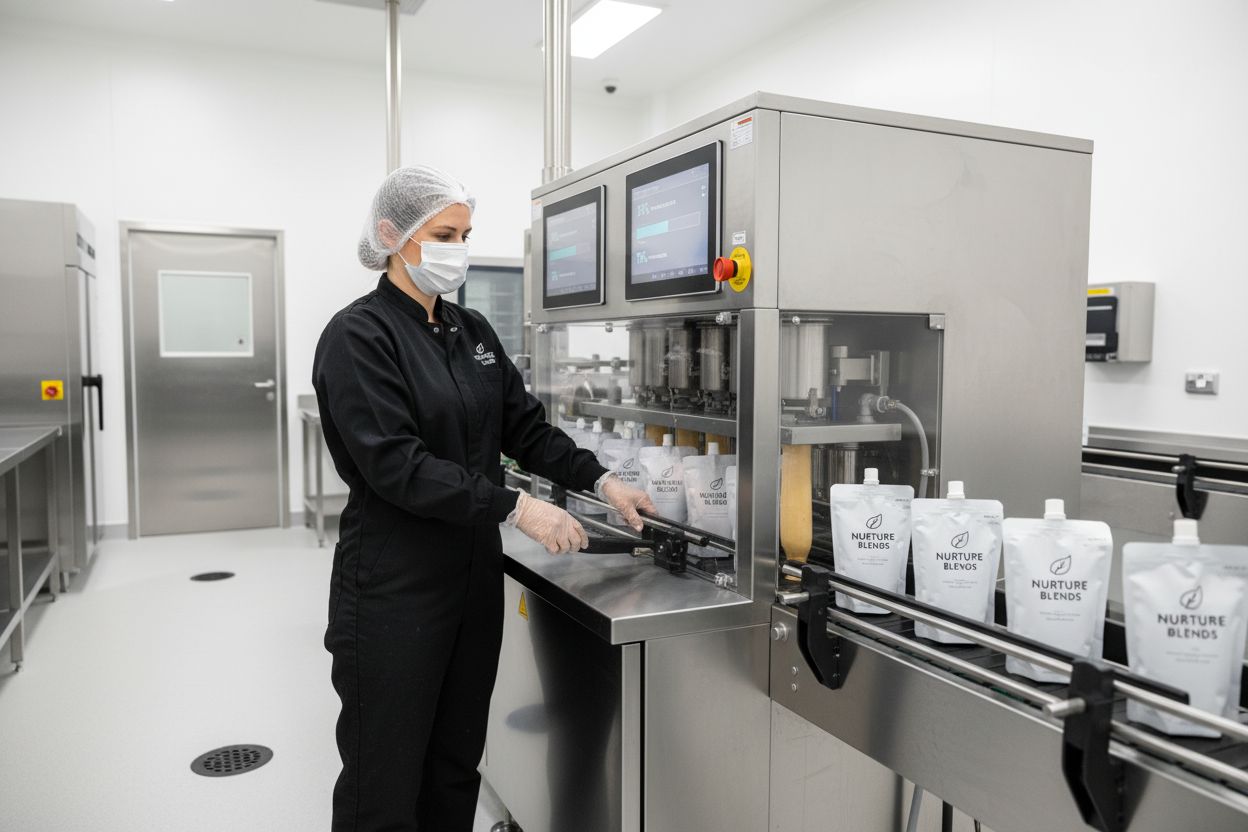
While home-based solutions like formula machines represent one end of the automation spectrum, industrial food processing represents another. These advanced systems prioritize nutrient preservation, consistent product quality, and stringent hygiene standards. By leveraging technology, baby food prep automation addresses multiple challenges faced by parents and manufacturers: reducing preparation time, minimizing contamination risks, and ensuring nutritionally consistent meals for infants.
The evolution of baby food prep automation reflects a broader trend toward integrating smart technology into childcare, transforming what was once a manual, time-consuming process into a streamlined, scientifically precise approach to infant nutrition.
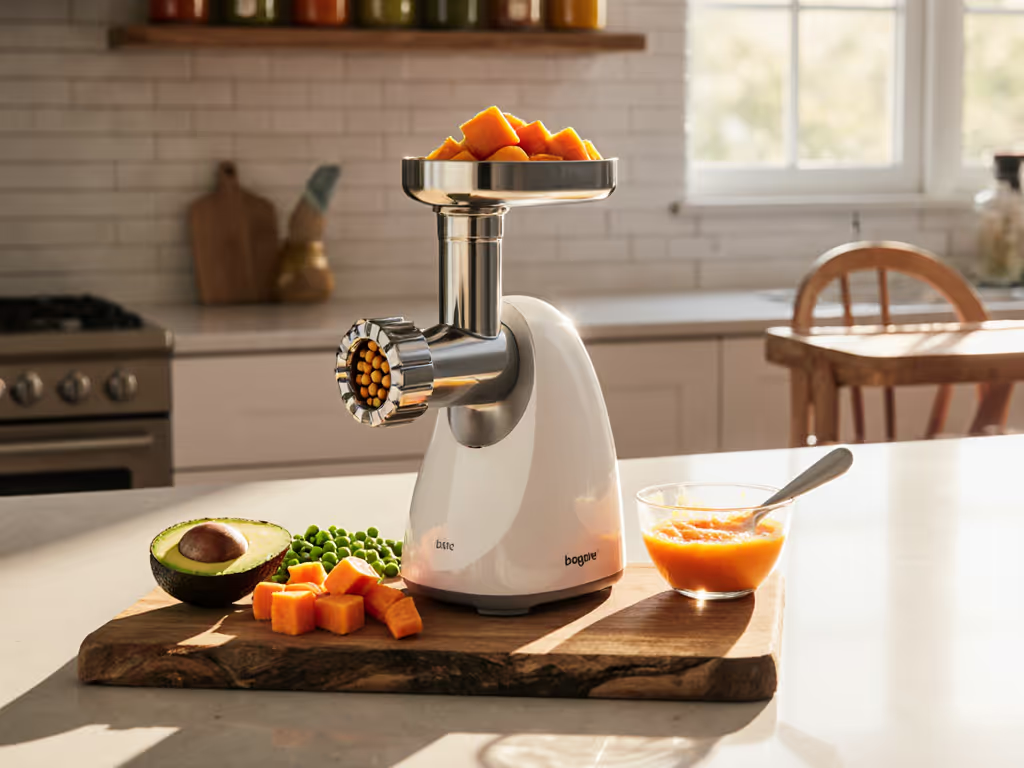
Automated baby food preparation appliances have evolved into several distinct categories, each designed to address specific parental needs and infant nutritional requirements. These technological solutions range from compact countertop devices to sophisticated single-serve systems, offering parents unprecedented convenience and precision in meal preparation.
Formula Preparation Machines represent one of the most advanced automation categories. Systems like BabyNes specialize in creating perfectly mixed infant formula with precise temperature control and accurate dosing. These machines eliminate guesswork by:
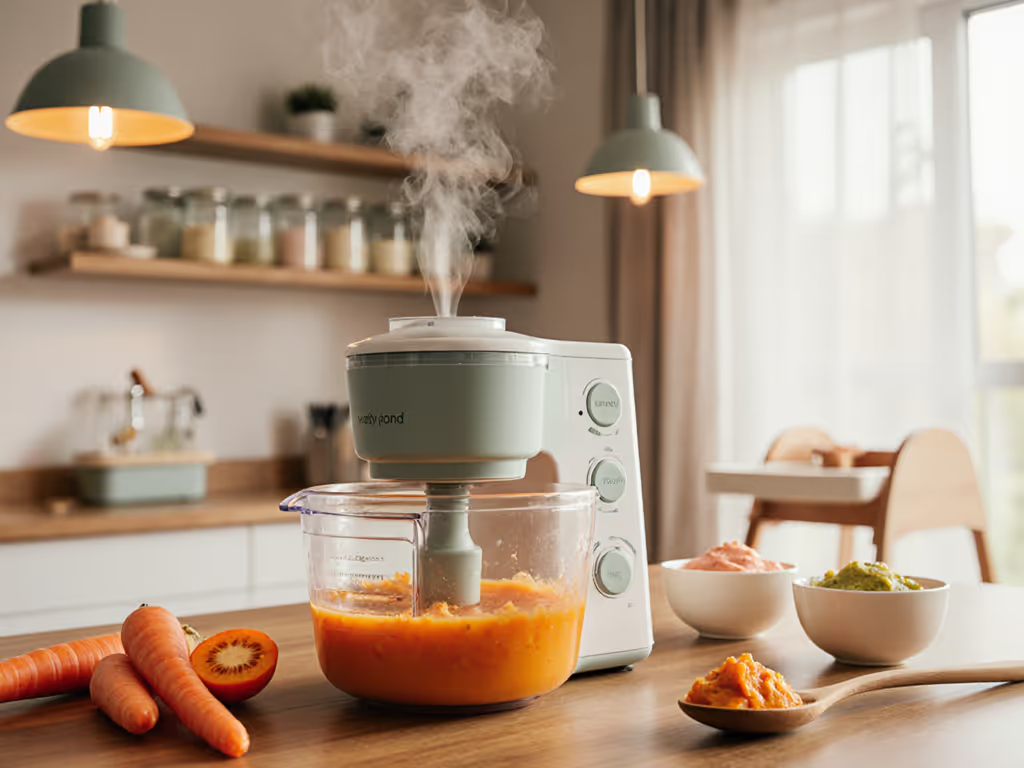
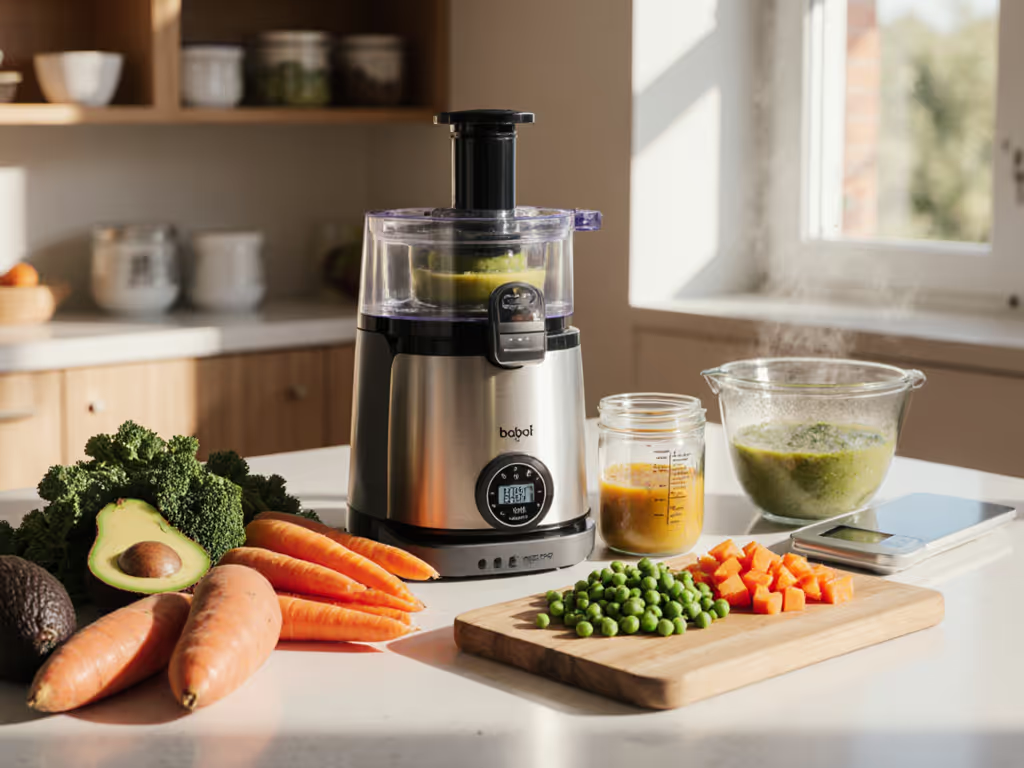
All-in-One Food Makers constitute another significant category, combining multiple functions in a single appliance. Devices such as Babycook and Oster Pro enable parents to steam, blend, and process fresh ingredients directly in one machine. These versatile appliances streamline the entire food preparation process from raw ingredients to finished purees, supporting parents who prefer homemade baby nutrition.
Beyond home-use devices, specialized commercial-grade processing systems handle large-scale infant food production. These industrial machines manage complex tasks like sterilization, homogenization, and aseptic packaging, ensuring nutritional integrity and safety at massive manufacturing scales. The technological spectrum of baby food prep automation continues to expand, offering solutions that range from individual serving precision to global food production standards.
Baby food prep automation operates through sophisticated technological integration designed to simplify and optimize infant nutrition preparation. At its core, these systems leverage precision engineering and smart technology to transform complex food preparation tasks into simple, repeatable processes that minimize human error and maximize nutritional consistency.
Key automated features typically include precision controls that manage multiple critical aspects of food preparation:
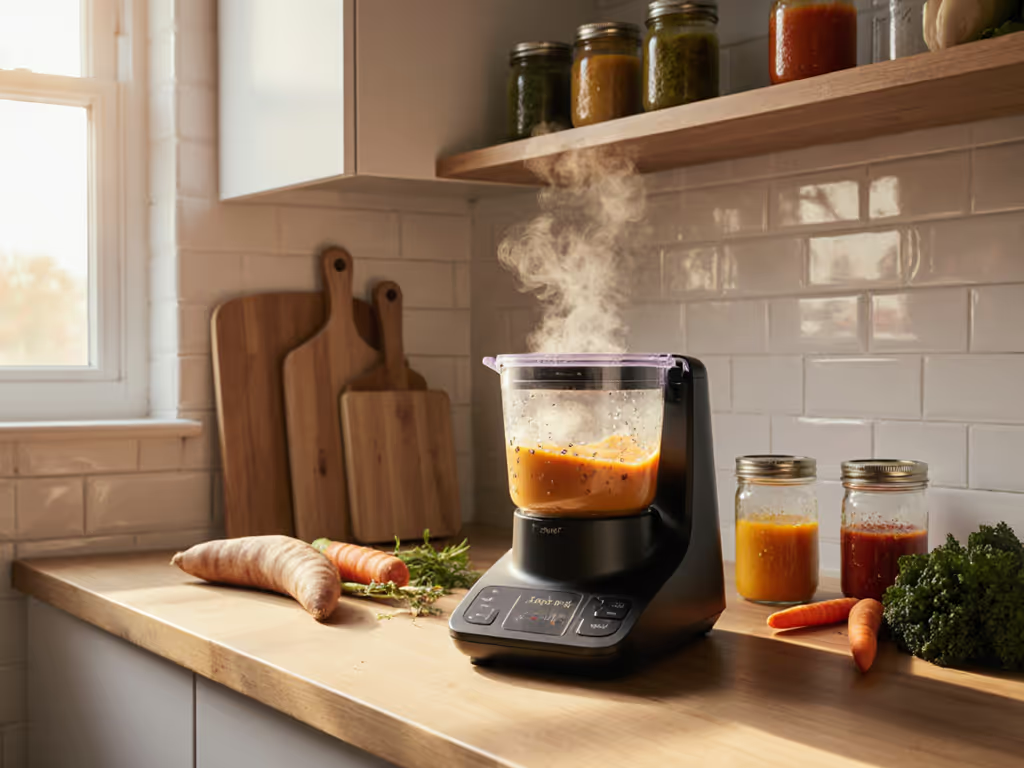
The technological architecture of these devices often incorporates microprocessor-driven systems with embedded sensors that monitor and adjust preparation parameters in real-time. For instance, formula preparation machines use authentication chips to verify capsule compatibility, ensuring accurate mixing ratios and preventing potential contamination. These smart systems can execute entire preparation sequences with a single button press, completing complex tasks like steaming, blending, and portioning within minutes.
At a deeper technical level, automation works by breaking down food preparation into standardized, programmable steps. Sensors continuously track variables like temperature, moisture content, and ingredient volume, making instantaneous adjustments to maintain optimal nutritional and safety standards. This approach transforms what was once a manual, potentially inconsistent process into a scientifically precise method of creating infant nutrition, giving parents unprecedented confidence in their baby's meal preparation.
Safety stands as the paramount concern in baby food prep automation, with manufacturers implementing rigorous design standards to protect infant health. The selection of materials, precision of cleaning protocols, and elimination of potential contamination risks form the critical foundation of these advanced food preparation systems.
Key safety considerations focus on material selection and design features that minimize bacterial growth and chemical leaching:
Cleaning requirements for automated baby food prep devices are significantly more complex than traditional kitchen appliances. Research highlights critical concerns about potential bacterial growth in hard-to-clean steam tanks and preparation chambers. Top-tier devices incorporate design elements like removable steaming baskets and dishwasher-safe components to facilitate comprehensive sanitization, reducing the risk of harmful microorganism accumulation.
Temperature management emerges as another crucial safety factor. Studies have demonstrated that improper heating can compromise infant formula and food safety. Advanced automation systems now integrate precise temperature control mechanisms, ensuring that preparation temperatures consistently meet recommended guidelines for killing potential pathogens while preserving nutritional integrity. This technological approach transforms cleaning from a manual, potentially inconsistent process into a systematic, scientifically validated method of ensuring infant meal safety.
Baby food preparation has undergone a significant transformation with the introduction of automated technologies, creating a complex landscape of pros and cons when compared to traditional manual methods. While automation promises efficiency and precision, manual techniques still hold unique advantages that appeal to many parents seeking a more hands-on approach to infant nutrition.
Key differences emerge across several critical dimensions of food preparation:
Research indicates that automated steam-and-blend systems occasionally produce less smooth purees compared to traditional blending techniques, and parents must navigate potential drawbacks like increased complexity of cleaning and minor burn risks during food transfer. Despite these challenges, automated systems dramatically reduce the cognitive load on parents, transforming meal preparation from a time-consuming task to a streamlined, predictable process.
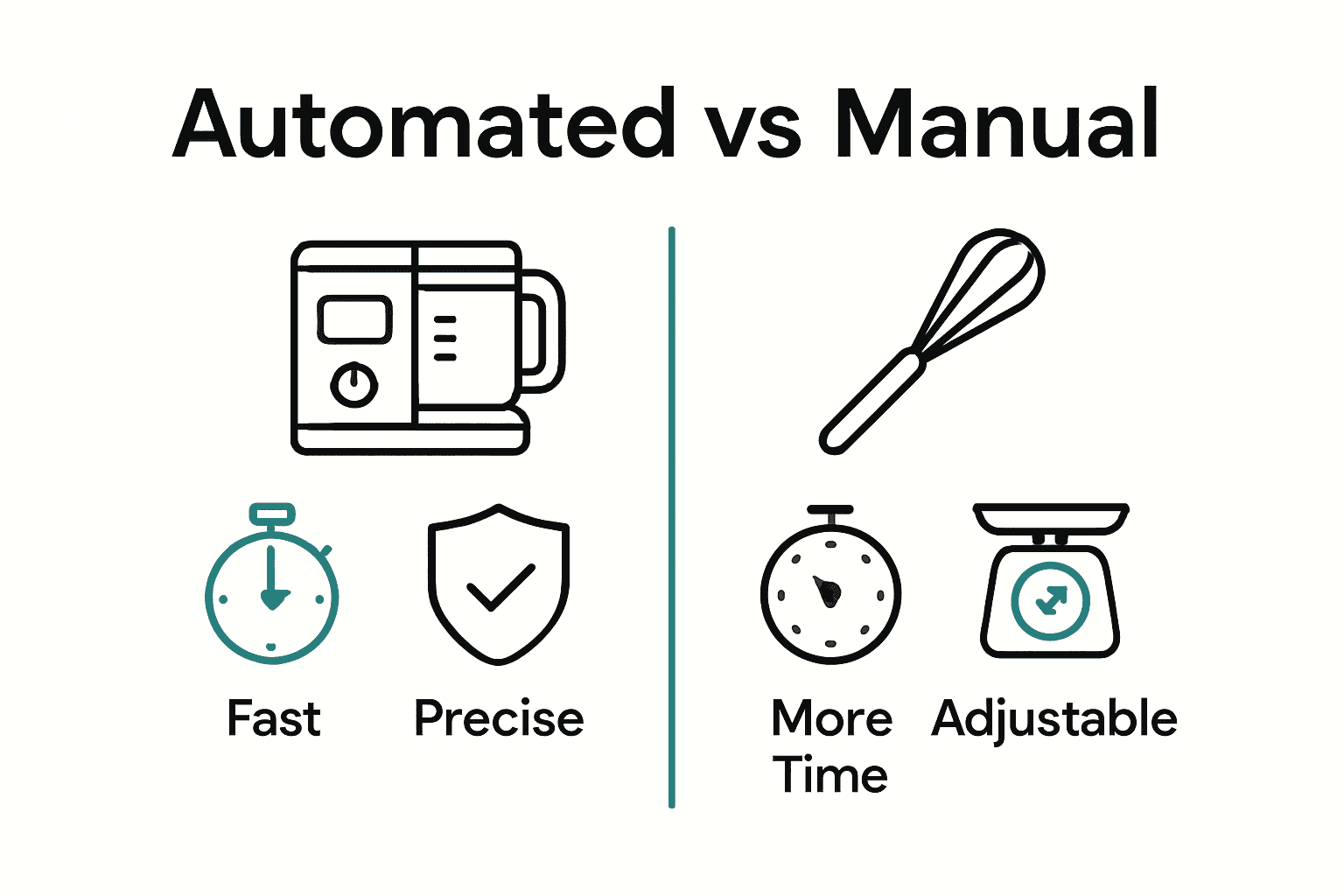
Here's a comparison of key differences between automated and manual baby food preparation methods:
| Feature | Automated Prep | Manual Prep |
|---|---|---|
| Time Investment | Under 10 minutes | 30-45 minutes |
| Consistency | Uniform texture/temp | Variable |
| Customization | Pre-set programs | Fully adjustable |
| Cost | $100–$500+ upfront | Lower initial cost |
| Cleaning Effort | Complex, precise steps | Simpler but more frequent |
| Skill Required | Low (user-friendly) | Higher (practice needed) |
| Nutritional Control | High (precise dosing) | Variable (user-dependent) |
Ultimately, the choice between automated and manual methods depends on individual family needs, available time, technical comfort, and specific infant dietary requirements. While technology offers unprecedented convenience, the fundamental goal remains consistent: providing safe, nutritious, and appropriately prepared meals that support infant growth and development.
Financial planning for baby food prep automation involves more than just the initial purchase price. Parents must consider a comprehensive financial strategy that encompasses upfront costs, ongoing expenses, potential longevity, and future resale potential of these sophisticated kitchen technologies.
Key financial considerations for automated baby food preparation devices include:
Premium systems like BabyNes demonstrate the complexity of cost calculations, where the initial machine represents just one component of long-term expenses. These devices often require proprietary capsules or specific accessories, creating an ongoing financial commitment that extends well beyond the initial purchase. Factors like brand reputation, build quality, and technological sophistication significantly influence both the device's initial cost and its potential resale value in the secondary market.
Strategic consumers approach these investments by calculating total cost of ownership, considering not just the purchase price but also long-term utility across multiple children. Some high-end automated prep systems maintain reasonable resale values if well-maintained, potentially offsetting a portion of the initial investment. Ultimately, the most cost-effective solution balances technological convenience, durability, and versatility to provide maximum value throughout the infant nutrition preparation journey.
If you are feeling overwhelmed by the time and effort needed for safe and consistent baby food preparation, you are not alone. Our guide shows how baby food prep automation can make a real difference for busy parents who want the best for their little ones. You may be searching for solutions that are quiet, fast, easy to clean, and safe for your child's health. From tackling complex cleaning requirements to managing the high cost of appliances, these challenges can add stress during an already busy period of parenthood.
Ready to upgrade your routine with confidence? Visit Parent Kitchen Lab to discover honest reviews and expert tips designed for parents just like you. Explore real comparisons, discover the quietest and most efficient baby food makers, and learn which devices deliver on easy cleaning and safe materials. Take control of your family's nutrition and make meal prep simple—check out our latest guides on Parent Kitchen Lab today.
Baby food prep automation refers to the use of advanced mechanical and digital systems to streamline the preparation of infant nutrition, transforming manual processes into precise, efficient tasks that enhance food quality and safety.
There are several types of automated appliances, including formula preparation machines, all-in-one food makers, and commercial-grade processing systems that cater to both home use and large-scale production.
Automation ensures safety through key features like non-toxic materials, precise temperature control, automated cleaning cycles, and design elements that prevent contamination, thereby protecting infant health during food preparation.
Automated baby food preparation offers significant advantages, including reduced preparation time, consistent texture and temperature, less need for culinary skill, and precise nutritional control, making the process more efficient and reliable for parents.