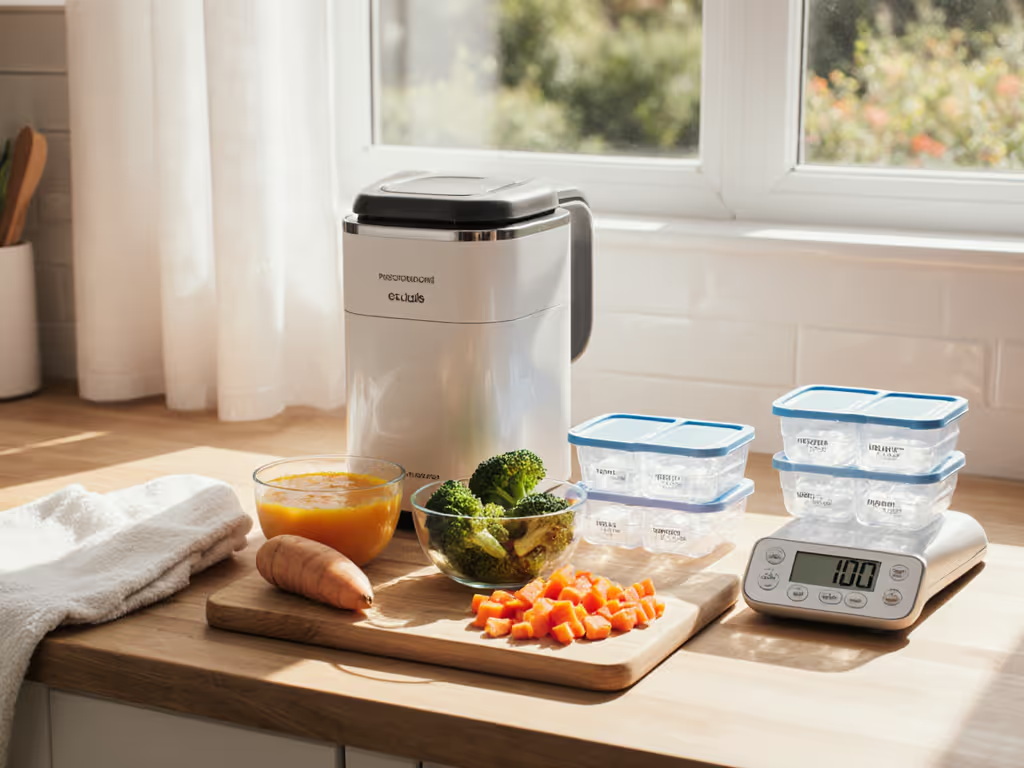
Pediatrician Recommended Baby Food Prep: Step-by-Step Guide
12th Nov•10 min read
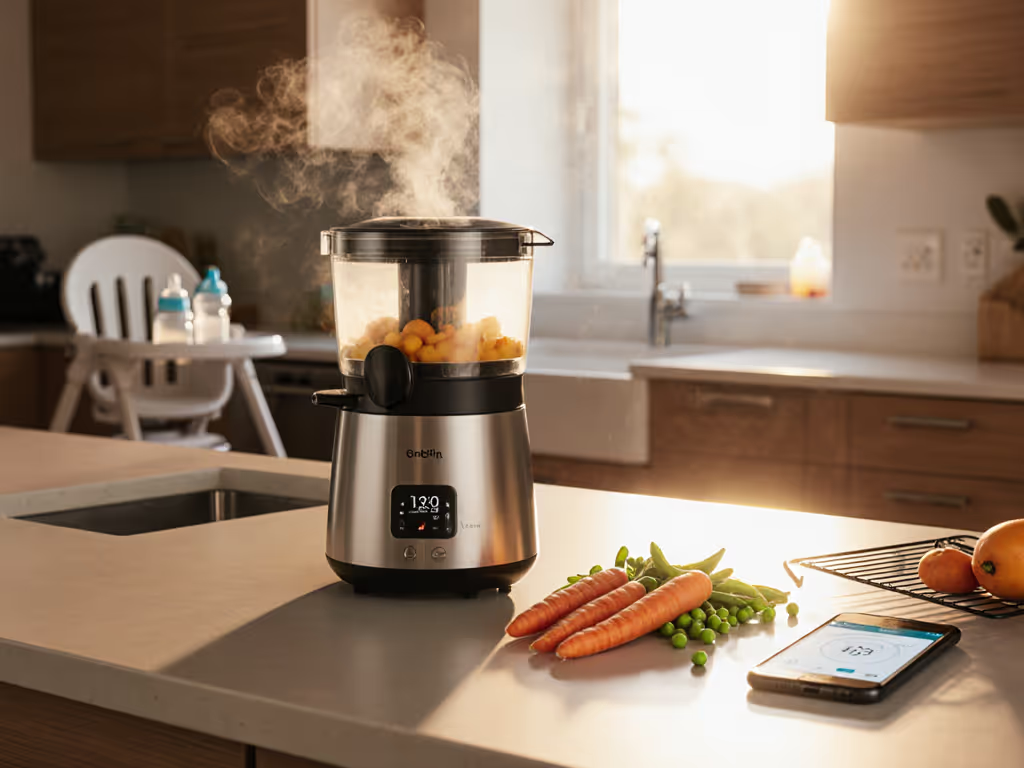
Did you know that over 60 percent of parents now cite convenience as their top priority when choosing how to prepare baby food? Finding quick, reliable ways to feed your child can ease daily routines while supporting healthy growth. With smarter tools and innovative kitchen solutions, busy families can enjoy safe, nutritious meals for their infants without spending hours at the stove.
| Point | Details |
|---|---|
| Convenience is Key | Baby food prep convenience prioritizes efficiency and nutritional quality for busy parents. |
| Types of Baby Food Makers | Various baby food makers, including all-in-one systems and manual tools, cater to different needs. |
| Safety is Paramount | Parents must ensure baby food makers are made of safe materials and have hygienic features. |
| Homemade vs. Store-Bought | Choosing between homemade and store-bought baby food depends on time, customization, and resources. |
Baby food prep convenience represents a transformative approach to infant nutrition that prioritizes parental time, efficiency, and nutritional quality. At its core, this concept bridges the gap between homemade meal preparation and commercial feeding solutions, offering parents streamlined methods to nourish their infants without compromising on nutritional standards.
Convenience in baby food preparation encompasses multiple dimensions. It includes commercially prepared foods designed for minimal preparation time, ready-to-eat options, and smart kitchen technologies that simplify meal creation. These solutions recognize that modern parents juggle multiple responsibilities and need efficient, nutritious feeding strategies. Key characteristics of baby food prep convenience include:
The evolution of baby food prep convenience reflects broader changes in parental lifestyles and nutritional understanding. While convenience foods were once viewed skeptically, contemporary solutions integrate advanced nutritional science, ensuring that quick preparation does not mean compromising on quality. Parents now have access to tools and techniques that transform food preparation from a time-consuming task into a streamlined, enjoyable experience that supports infant growth and development.
Baby food makers represent a diverse ecosystem of kitchen appliances designed to simplify infant nutrition preparation. These devices range from sophisticated all-in-one systems to more traditional manual tools, each offering unique advantages for parents seeking convenient and efficient meal preparation strategies for their little ones.
Three primary categories of baby food makers dominate the market, each catering to different parental preferences and kitchen capabilities:
Here's a comparison of the three main types of baby food makers:
| Type | Main Functions | Pros | Ideal For |
|---|---|---|---|
| All-in-One Steam & Blend | Steam<br>Blend<br>Reheat | Minimal cleanup<br>Automated<br>Time-saving | Busy multitaskers |
| Standalone Blender | Blend<br>Puree | Powerful<br>Texture control<br>Compact | Parents prepping in batches |
| Manual Food Mill | Puree<br>Mash | Affordable<br>Hand control<br>No electricity | Hands-on, budget-conscious |
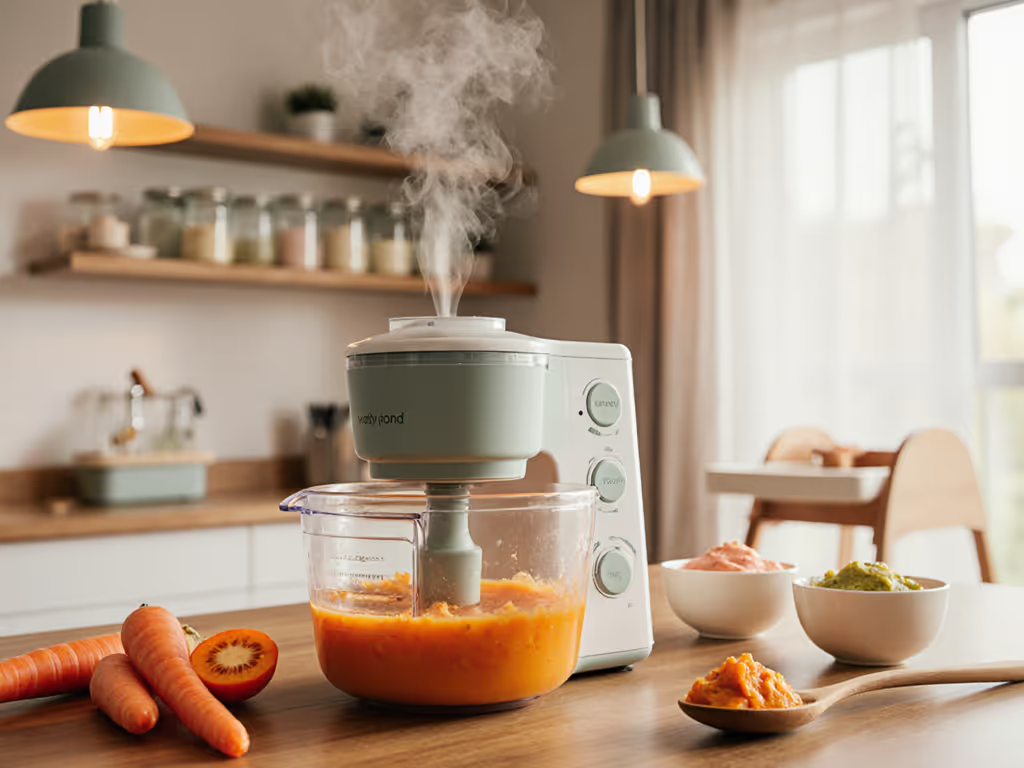
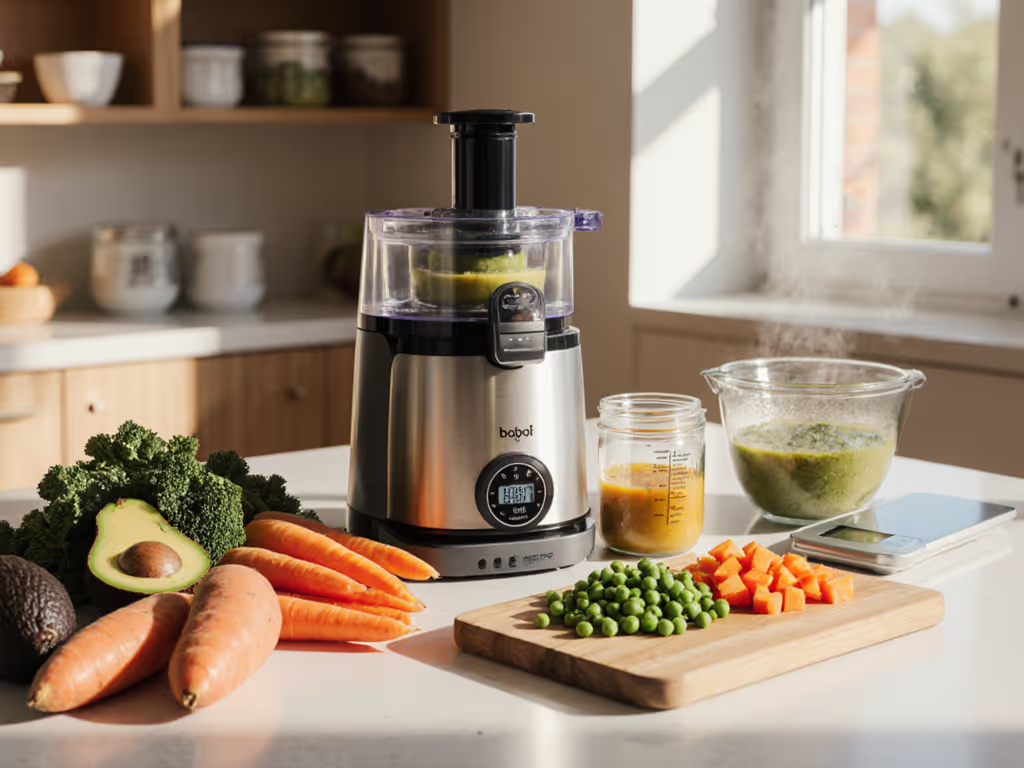
All-in-One Steam and Blend Systems: These comprehensive devices handle multiple functions, steaming and pureeing ingredients in a single unit. They represent the most technologically advanced option, minimizing cleanup and maximizing convenience.
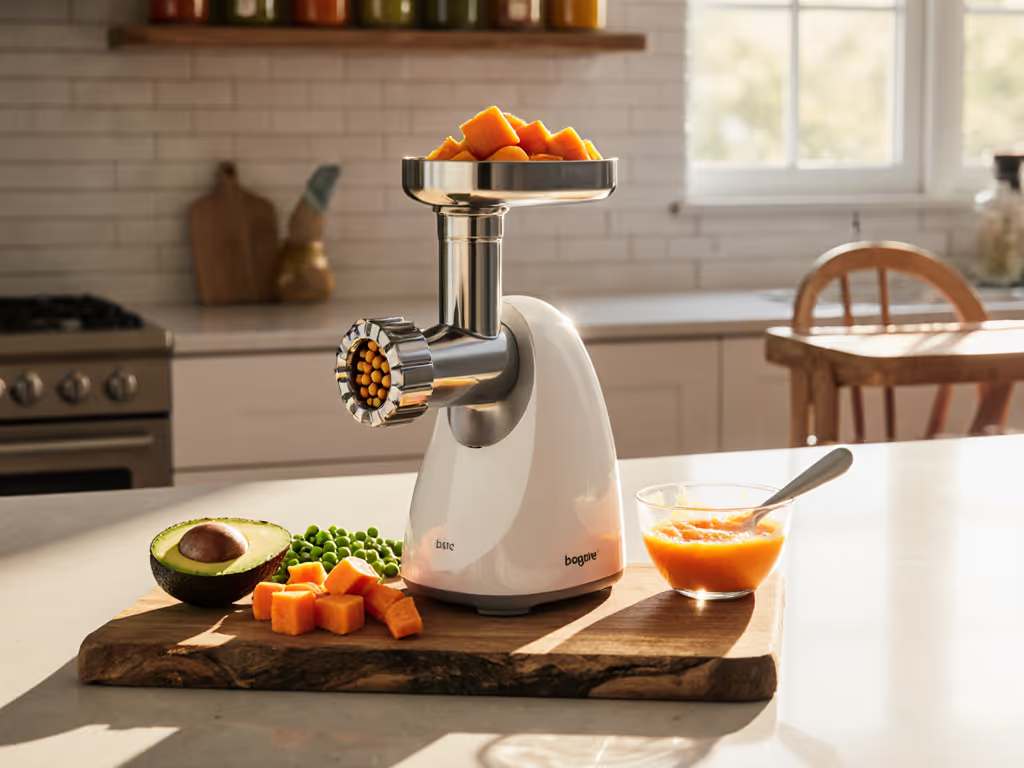
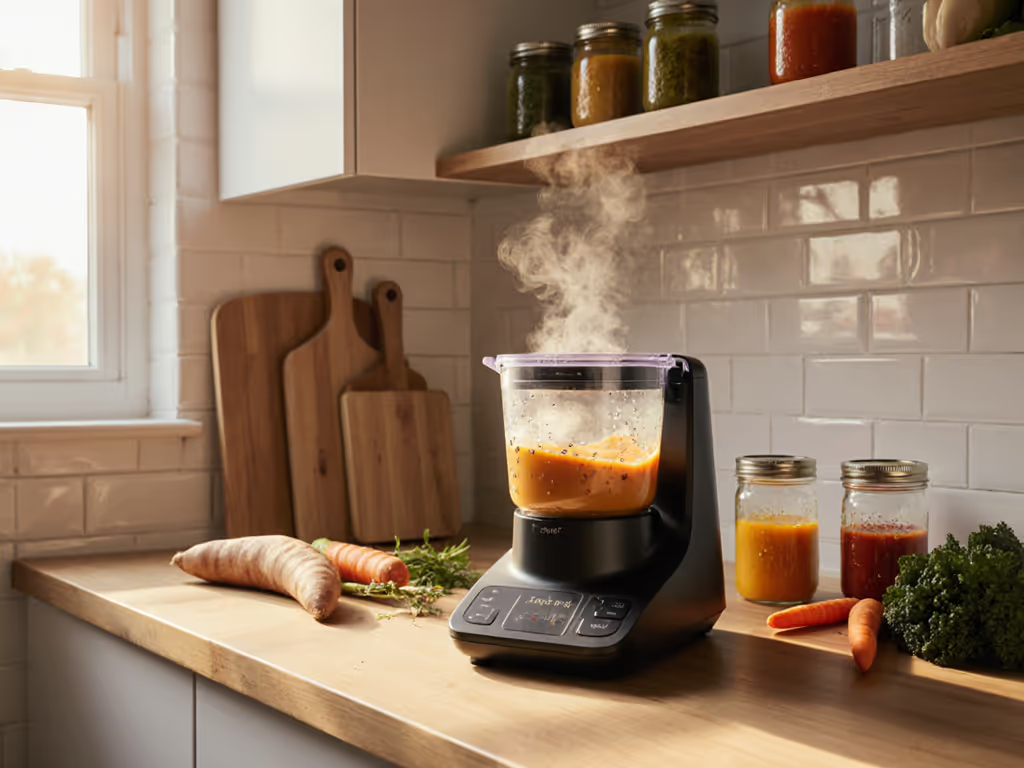
Standalone Blenders: Perfect for parents who prefer pre-cooking ingredients, these blenders offer powerful processing capabilities and typically feature multiple speed settings for creating smooth or textured purees.
Manual Food Mills: The most cost-effective and traditional option, manual food mills require more physical effort but provide precise control over food texture and consistency. They're ideal for parents who prefer hands-on food preparation.

Each baby food maker type offers distinct benefits, allowing parents to select a solution that best matches their cooking style, budget, and time constraints. Modern devices increasingly incorporate smart technologies like automatic shut-off, easy-clean surfaces, and precise temperature controls, transforming infant meal preparation from a complex task into a streamlined, enjoyable experience.
Quick baby food preparation demands smart design and intelligent features that transform meal-making from a time-consuming chore into an efficient process. Modern baby food makers are engineered with multiple capabilities that dramatically reduce preparation time and complexity, empowering parents to create nutritious meals with minimal effort.
The most critical features for rapid and effective baby food preparation center around several key functional requirements:
Technology has revolutionized baby food preparation, moving beyond simple blending to create intelligent systems that understand parental needs. These advanced devices incorporate sensors, automatic shut-off features, and programmable settings that transform meal preparation from a manual task into a sophisticated, user-friendly experience. By integrating multiple functions and prioritizing ease of use, modern baby food makers help parents save time without compromising the nutritional quality of their infant's meals.
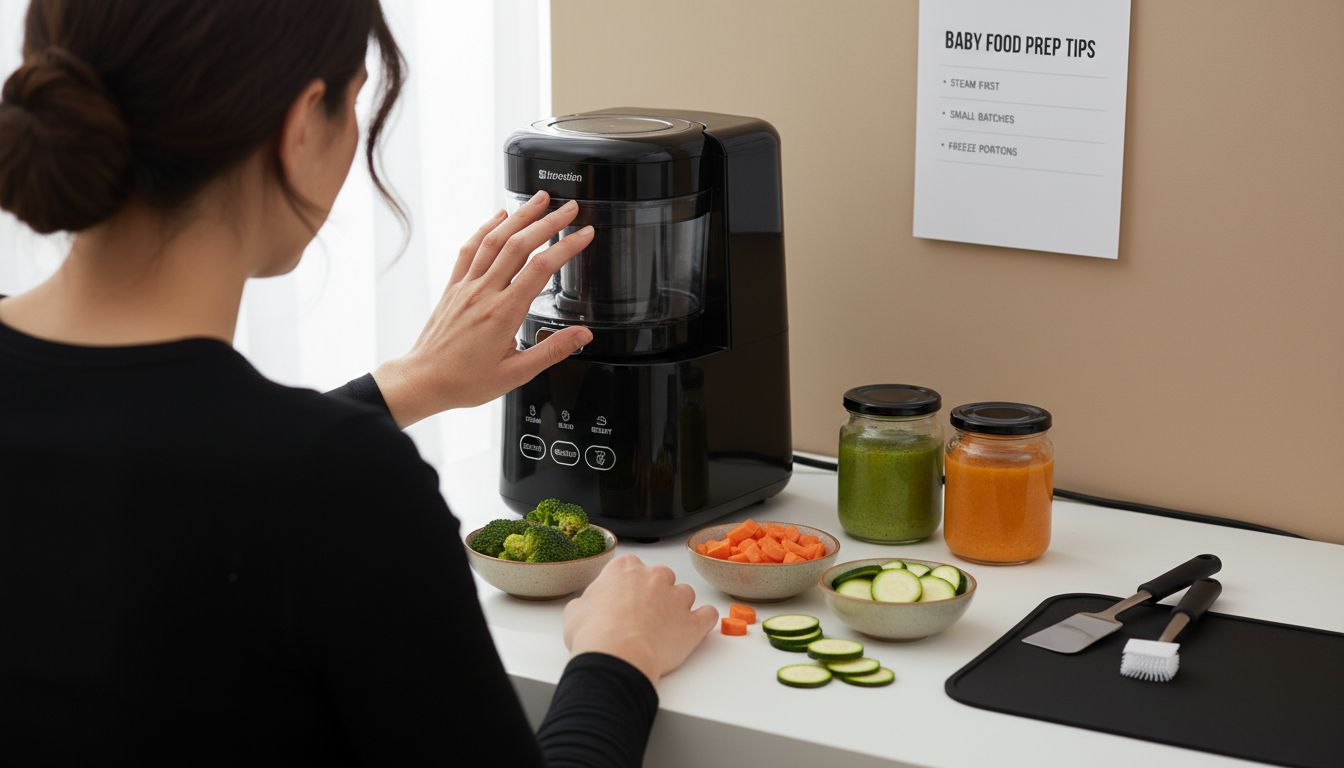
Baby food maker safety extends far beyond simple functionality, representing a critical intersection of design, materials, and maintenance that directly impacts infant health and nutrition. Parents must navigate a complex landscape of potential risks, from material composition to cleaning protocols, ensuring that every meal preparation process meets the highest standards of hygiene and safety.
Key safety considerations for baby food makers encompass multiple critical dimensions:
Cleaning protocols are equally paramount in maintaining a safe food preparation environment. Modern baby food makers increasingly incorporate smart design elements that simplify sanitization, such as removable steaming baskets, dishwasher-safe components, and surfaces resistant to bacterial growth. Parents should establish a rigorous cleaning routine that includes immediate post-use washing, periodic deep cleaning, and regular inspection of all device components. By prioritizing both material safety and meticulous maintenance, caregivers can transform baby food makers from potential health risks into reliable, hygienic nutrition preparation tools.
Baby food preparation represents a critical decision point for parents, with store-bought and homemade options presenting distinct advantages and challenges. Understanding the nuanced landscape of infant nutrition requires a comprehensive examination of convenience, nutritional value, cost, and long-term health implications.
Store-bought baby foods offer remarkable convenience with clear benefits:
Homemade baby food, conversely, provides unparalleled customization and nutritional control. Parents can select fresh, organic ingredients, adjust textures precisely, and eliminate unnecessary additives. While more time-intensive, homemade preparations allow for real-time nutritional adaptation, accommodating individual dietary needs, allergies, and taste preferences. The process of preparing meals becomes an opportunity for direct nutritional engagement, enabling parents to understand exactly what enters their child's developing system. Ultimately, the choice between store-bought and homemade represents a personal balance of time, resources, and nutritional philosophy.
Baby food preparation economics represent a critical consideration for families navigating the complex landscape of infant nutrition. Modern baby food makers transform meal preparation from a time-consuming process into a strategic investment, offering substantial financial and temporal advantages for households managing multiple children or tight budgets.
The financial benefits of investing in a dedicated baby food maker extend across multiple dimensions:
Time efficiency emerges as another profound benefit for growing families. Modern baby food makers with multifunctional capabilities dramatically reduce meal preparation time, transforming a potentially hours-long process into a streamlined 30-minute task. By integrating steaming, blending, and storage functions, these devices allow parents to prepare nutritious meals simultaneously with other household activities. The cumulative time savings become especially significant for families with multiple young children, where every minute of efficiency can make a substantial difference in daily management and stress levels.
The challenge of balancing nutritious homemade meals with time-saving convenience is real for every busy parent. This article highlights key pain points like minimizing meal prep time, ensuring safety with BPA-free materials, and finding baby food makers that blend, steam, and store efficiently. If managing multiple children while preserving nutritional quality feels overwhelming, you are not alone. Parents often struggle with noisy appliances, complicated cleanup, and unclear safety features that add stress instead of simplifying mealtime.
At Parent Kitchen Lab, we understand the importance of quiet, easy-to-clean, and powerful baby food makers that help you prepare healthy meals swiftly and safely. We provide detailed reviews focused on convenience features like one-touch functionality and dishwasher-safe parts, so you can choose the perfect device for your family’s unique needs. Ready to save time and ensure your baby’s nutrition is never compromised? Explore our comprehensive buying guides and expert recommendations now. Make your baby food prep easier and more enjoyable today by visiting Parent Kitchen Lab and finding the ideal appliance built with parents like you in mind.
Baby food prep convenience refers to methods and tools designed to make preparing nutritious meals for infants easier and faster for modern parents. It brings together homemade solutions and commercial options that cater to the busy lifestyles of parents while maintaining high nutritional standards.
There are three main types of baby food makers: all-in-one steam and blend systems, standalone blenders, and manual food mills. All-in-one systems offer multiple functions and minimal cleanup, standalone blenders are powerful for texture control, and manual food mills allow for hands-on preparation at an affordable price.
Look for features like one-touch functionality for ease of use, dishwasher-safe components for easy cleaning, multi-cooking capabilities to streamline processes, large capacity design for batch preparation, and precise temperature controls to ensure consistent cooking.
Safety considerations include ensuring the materials are BPA-free and food-grade, having secure design features to prevent accidents, maintaining temperature safety, allowing easy disassembly for cleaning, and having minimal crevices to reduce food particle buildup.