Pediatrician Recommended Baby Food Prep: Step-by-Step Guide
12th Nov•10 min read
Over 80 percent of parents say homemade baby food gives them more peace of mind about what their child eats. Taking control of your baby's meals means you choose every ingredient and decide how it's prepared, which can lead to healthier habits and better nutrition for your little one. If you want simple steps that turn fresh produce into safe, flavorful baby meals, you'll find practical advice that makes the process stress-free and rewarding.
| Key Point | Explanation |
|---|---|
| 1. Choose fresh, unblemished produce | Select fruits and vegetables that are colorful, firm, and free from bruises to ensure nutritional quality and taste. |
| 2. Clean and sanitize everything thoroughly | Wash hands, surfaces, and produce properly to remove dirt and bacteria without harmful chemicals. |
| 3. Use steaming for maximum nutrient retention | Steaming vegetables preserves vitamins and minerals better than boiling; save cooking liquids for pureeing. |
| 4. Adjust texture based on your baby's age | Blend food to the appropriate consistency for your baby's developmental stage, gradually making it thicker as they grow. |
| **5. Store baby food safely and label |
 ** | Use airtight containers for storage and label them with dates; follow proper thawing procedures to prevent bacteria growth. |
Making homemade baby food starts with choosing the absolute best ingredients possible. You want to create nutritious meals that will support your baby's growth and development while ensuring maximum safety and flavor. Your ingredient selection process matters more than you might realize.
When shopping for produce, focus on fruits and vegetables that look vibrant and unblemished. Avoid any items with bruises, soft spots, or signs of decay. Fresh is always best recommended by nutrition experts. If fresh options are unavailable, frozen produce without added sugars or salts works wonderfully. Just be sure to thoroughly rinse everything under cool running water before preparation.
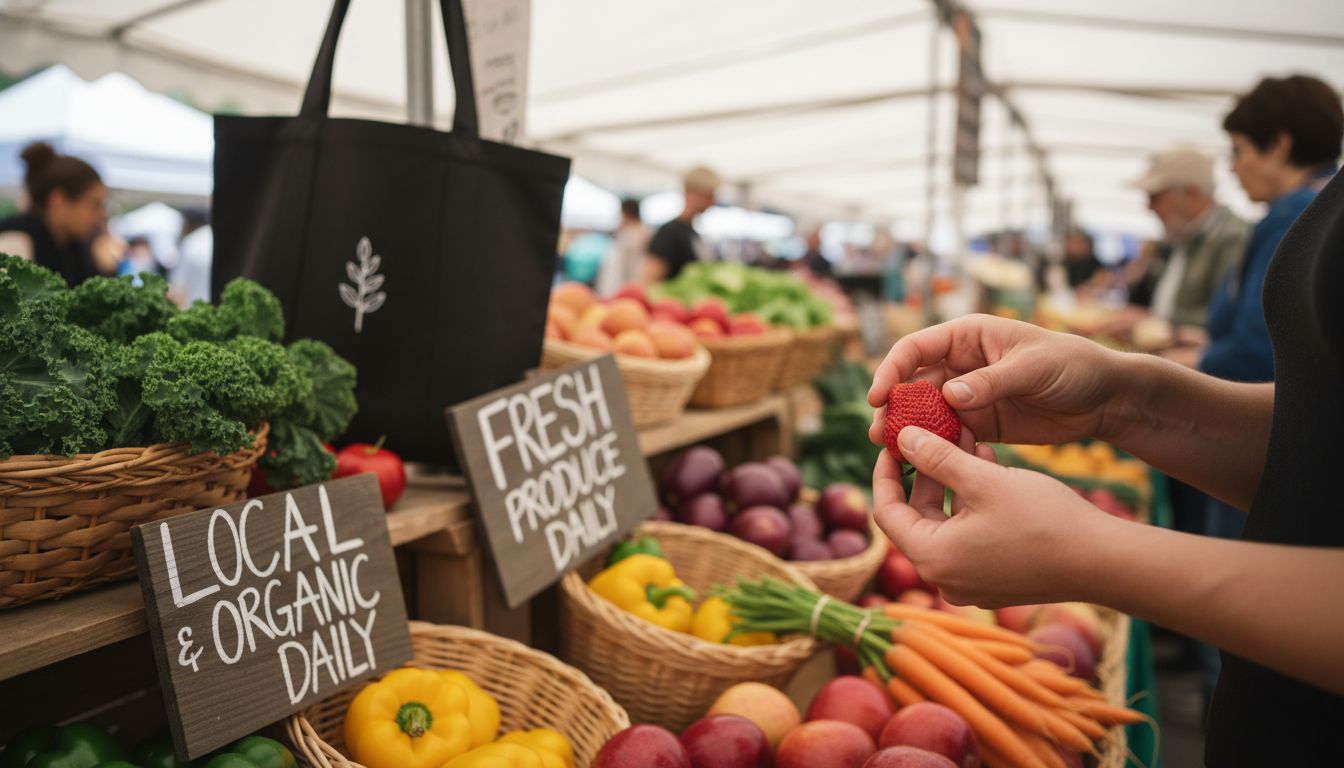
One pro tip many parents overlook: seasonal produce often provides the most flavor and nutritional density. Local farmers markets can be goldmines for ultra fresh ingredients that are perfect for baby food. When possible, choose organic options to minimize potential pesticide exposure. A quick visual and tactile inspection can help you select produce that will transform into delicious homemade meals your little one will love.
Cleaning and preparing produce is a critical step in making safe and nutritious baby food. Your goal is to remove dirt bacteria and potential contaminants while preserving the fruits and vegetables nutritional value. This process requires careful attention and a systematic approach.
Start by washing your hands thoroughly with warm soapy water for at least 20 seconds. Next clean and sanitize all food preparation surfaces including cutting boards countertops and kitchen tools. When handling produce rinse each fruit and vegetable under cool running water using your hands to gently rub the surface. Avoid using soap or detergents as these can leave harmful chemical residues. For firm produce like melons or cucumbers use a clean vegetable brush to scrub the exterior surface removing any visible dirt or debris.
One crucial tip most parents dont realize is the importance of drying produce after washing. Use a clean paper towel to pat items dry or let them air dry completely. This extra step helps reduce potential bacteria and ensures your ingredients are pristine before transforming them into delicious baby meals. By following these careful cleaning and preparation techniques youll create homemade baby food that is both safe and packed with natural nutrients your little one needs for healthy growth.
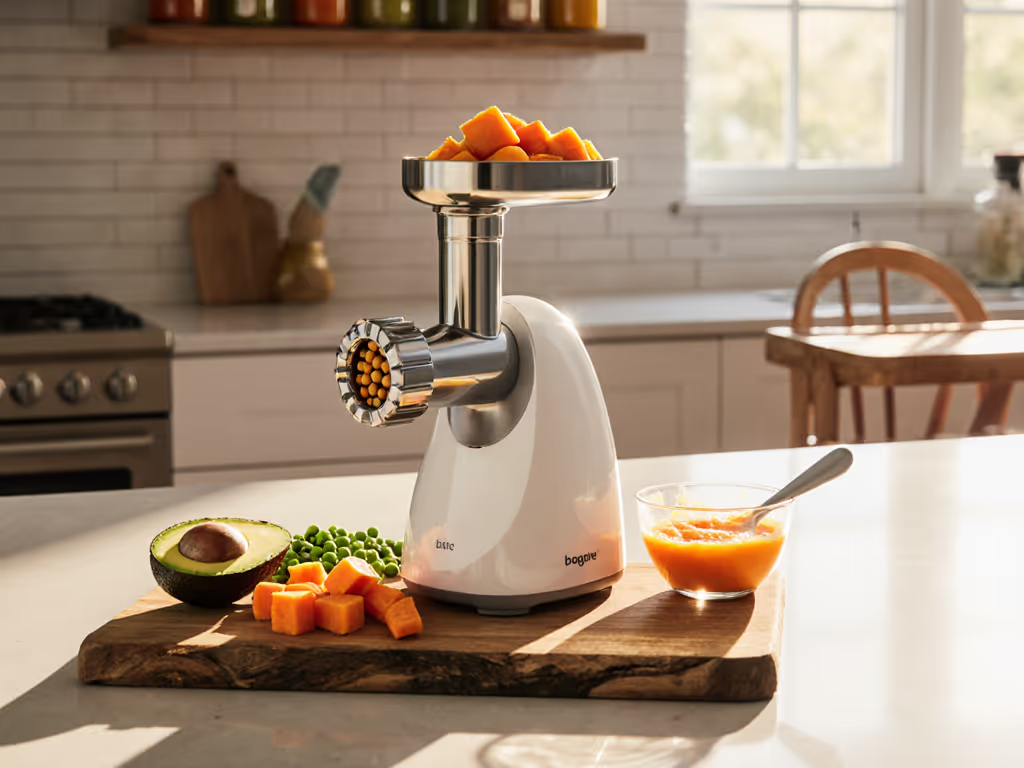
Selecting the right baby food maker is a game changing moment in your homemade baby food journey. Your goal is to find an appliance that makes food preparation quick easy and safe while preserving the maximum nutritional value of your ingredients.
When choosing your baby food maker look for appliances that are specifically designed for infant food preparation. Focus on models with straightforward cleaning mechanisms stainless steel blades and multiple function settings. Blenders and food processors work well but ensure they have wide mouths for easy ingredient loading and simple disassembly for thorough cleaning. Before first use wash all components in hot soapy water and rinse thoroughly. Check that electrical cords are intact and the machine operates smoothly without unusual sounds or vibrations.
One critical tip many new parents overlook is workspace preparation. Before starting your baby food maker set up a clean sanitized area with all necessary tools within reach. Keep raw ingredients separate from prepared foods and have clean storage containers ready. Position your appliance near a power outlet on a stable surface away from edges. This strategic setup will help you move smoothly through the food preparation process creating nutritious meals efficiently and safely for your little one.
Cooking baby food is more than just making ingredients soft enough to eat. Your primary goal is to preserve nutrients maximize flavor and ensure safety while transforming raw ingredients into delicious meals your baby will love. The right cooking method can make all the difference in nutritional quality.
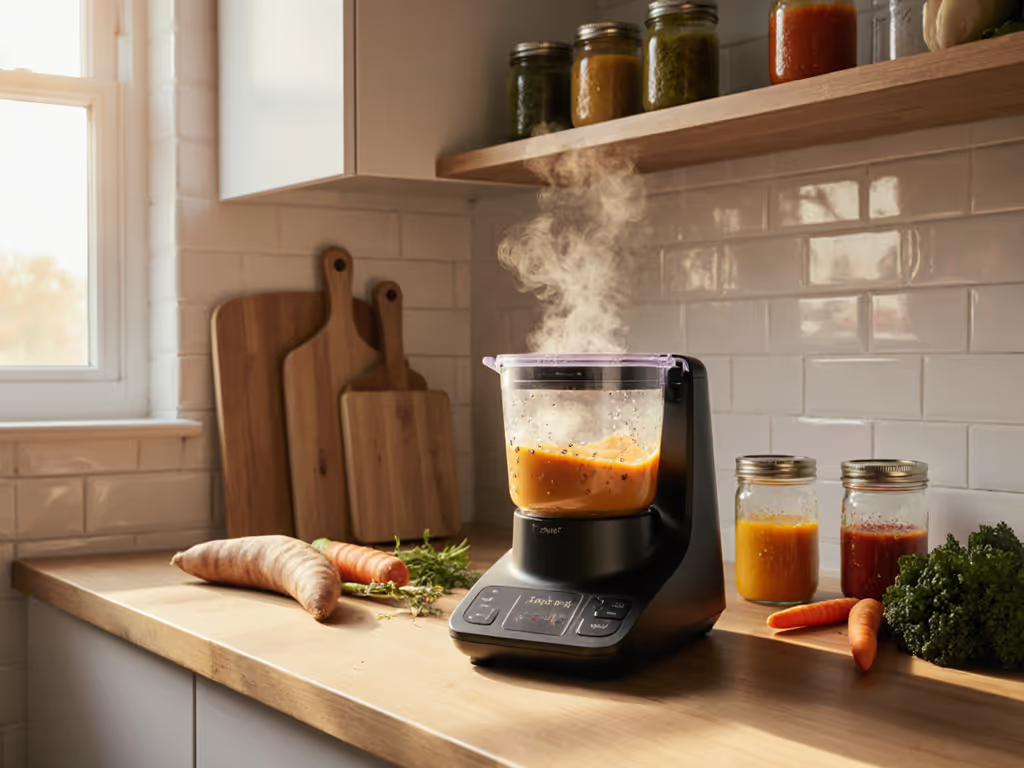
Steaming emerges as the gold standard for baby food preparation. Place ingredients in a steam basket above boiling water cooking until they become tender but not mushy. This method retains more vitamins and minerals compared to traditional boiling. If you prefer alternative methods microwaving with minimal water works efficiently just be sure to stir and check temperature carefully. When cooking firmer ingredients like meats always ensure they reach appropriate internal temperatures to eliminate potential bacterial risks.
One critical tip many parents overlook is saving cooking liquids. That leftover water from steaming contains valuable nutrients which can be reincorporated when pureeing your baby food. Simply set aside the liquid and use it to adjust consistency creating smoother textures while preserving every bit of nutritional goodness. By mastering these cooking techniques youll transform simple ingredients into nutritious meals that support your babys growth and development.
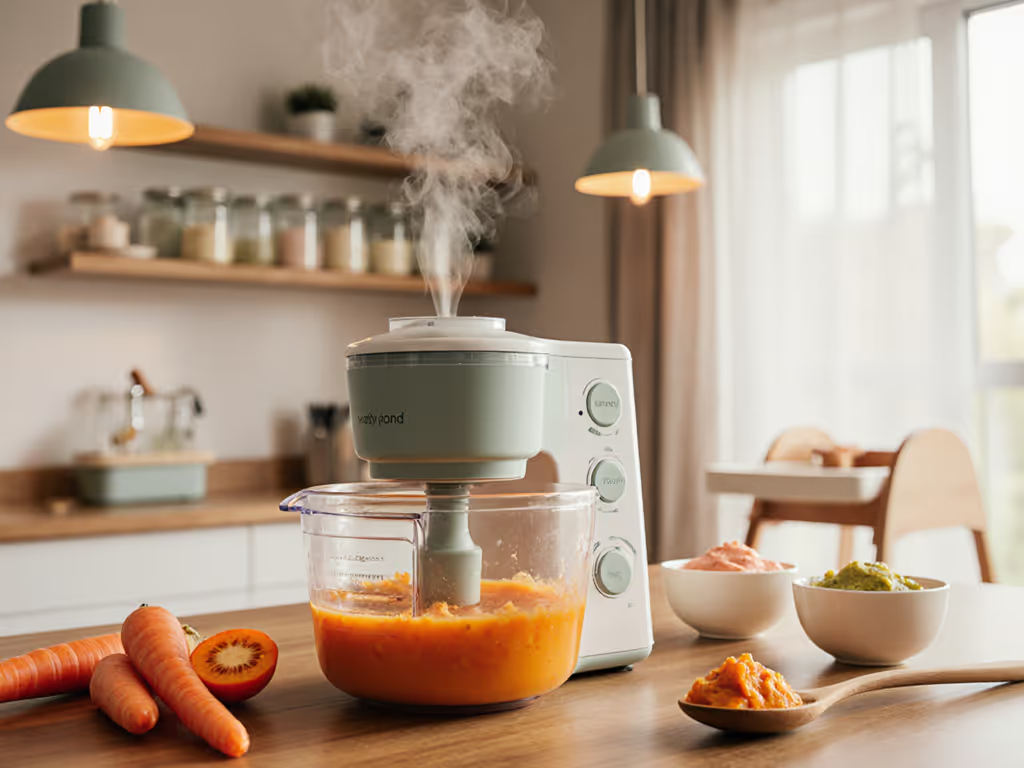
Blending baby food is an art that requires patience precision and understanding of your babys developmental stage. Your mission is to transform cooked ingredients into smooth consistent purees that are safe nutritious and perfectly matched to your babys eating abilities.
Start by using a blender or food processor to puree cooked ingredients into a smooth texture. For babies between 4 to 6 months aim for an ultrafine consistency with absolutely no lumps. As your baby grows gradually introduce slightly thicker textures with small soft pieces to encourage chewing skills. Use reserved cooking liquid or breast milk to adjust the puree thickness ensuring a smooth but not too runny consistency. Always blend in small batches to maintain better control over texture and avoid overprocessing which can create an unappetizing paste.
One critical tip many parents forget is temperature and taste testing. Before serving always check the foods temperature by placing a small amount on the inside of your wrist. The food should feel warm not hot. Also taste the puree yourself to ensure it has a pleasant flavor and smooth consistency. This extra step helps you understand exactly what youre feeding your baby and ensures the meal meets both nutritional and sensory standards.
Storing homemade baby food safely is just as important as preparing it with care. Your goal is to preserve the nutritional value and prevent bacterial growth while creating a convenient system that makes feeding your baby seamless and stress free.
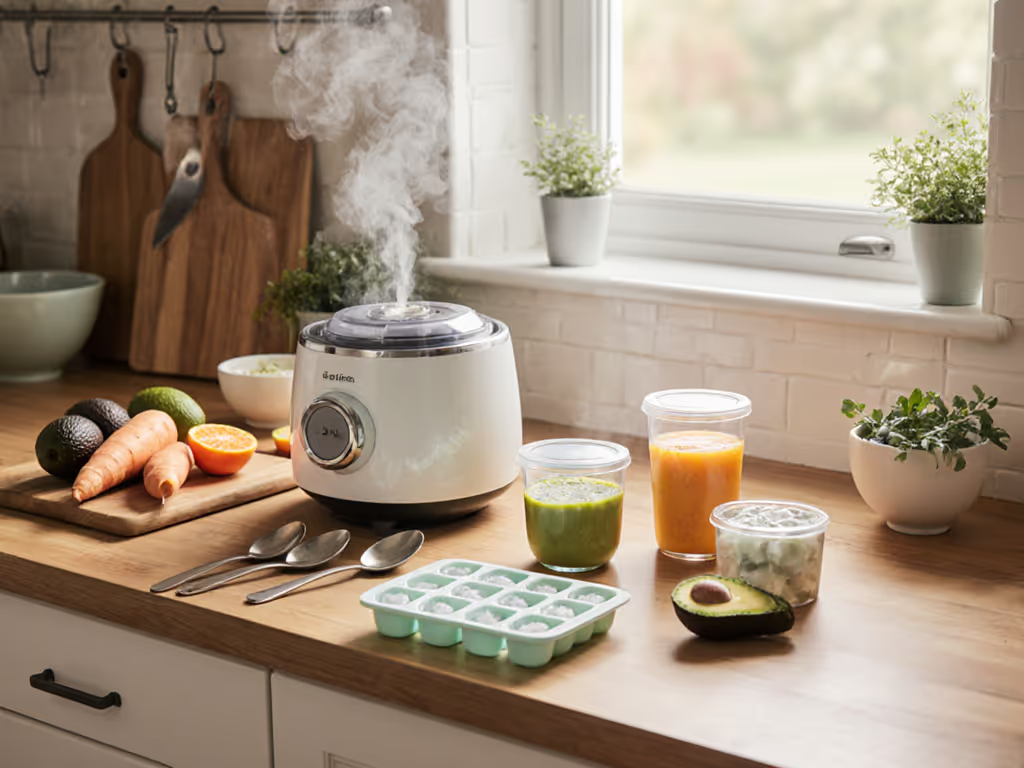
After preparing your baby food carefully portion it into clean airtight containers designed for food storage. Refrigerated baby food should be used within 48 hours to ensure maximum freshness and safety. For longer term storage freeze individual portions in ice cube trays or small containers. Each container should be clearly labeled with the date of preparation and type of food. When freezing use containers that are specifically freezer safe and leave a small amount of space at the top to allow for expansion. Pro tip use masking tape and a permanent marker for clear legible labels that wont wear off in the freezer.
One critical safety note many parents overlook is thawing procedures. Never thaw frozen baby food at room temperature which can encourage bacterial growth. Instead thaw portions in the refrigerator overnight or by placing the container in warm water. Always check the foods temperature and consistency before serving and discard any food that looks or smells unusual. By following these careful storage and thawing guidelines youll ensure your homemade baby food remains safe nutritious and ready whenever your little one is hungry.
Preparing nutritious meals for your baby at home can feel overwhelming when faced with the careful selection of fresh ingredients, precise cleaning methods, and proper cooking techniques. This article highlights how important it is to blend and store baby food safely while matching textures to your child's needs. Many parents struggle with finding an appliance that streamlines these steps without adding noise or complexity to their busy daily routine.
Discover quiet, efficient, and easy-to-clean baby food makers that help you create wholesome meals with confidence and ease. At Parent Kitchen Lab, you will find expert reviews and practical buying guides tailored specifically for parents who want safe, non-toxic, and convenient baby food prep solutions. Don’t let the stress of food prep keep you from nourishing your baby the right way. Take action now and explore our trusted recommendations to find the perfect baby food maker that fits your lifestyle. Start your journey to fuss-free baby food preparation today at Parent Kitchen Lab and make every meal a healthy success.
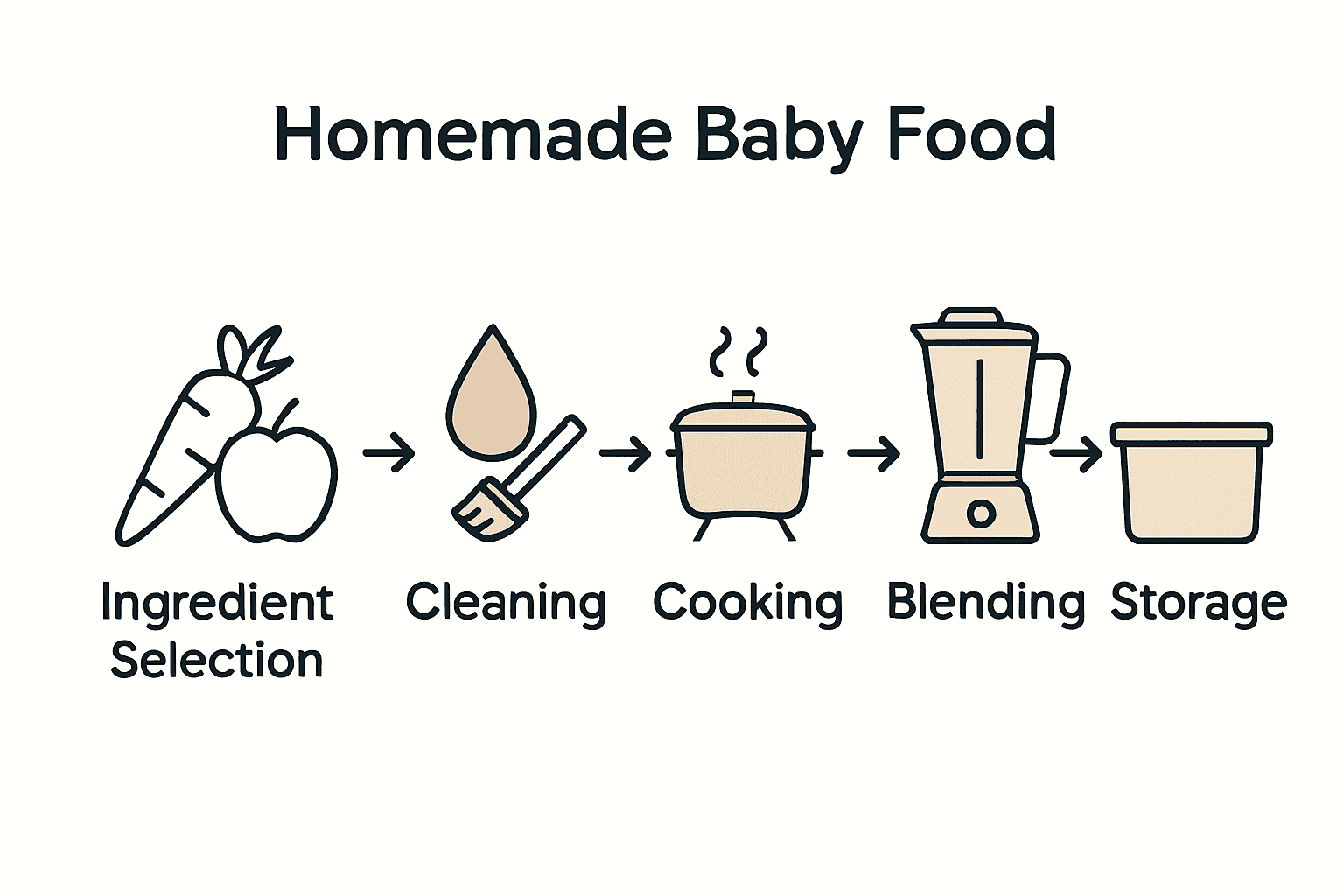
To select the freshest ingredients, focus on vibrant, unblemished fruits and vegetables while avoiding any with bruises or soft spots. Shop at local farmers markets when possible, and always choose organic options to minimize pesticide exposure.
Wash your hands and clean all surfaces before rinsing each fruit and vegetable under cool, running water. Use a clean vegetable brush for firm produce, and dry items thoroughly with a clean towel to minimize bacteria.
Select a baby food maker designed for infant food preparation, ideally with easy cleaning features and multiple settings. Before starting, prepare a clean workspace with all necessary tools within reach and ensure the appliance is stable and safe to operate.
Steaming ingredients is the gold standard for preserving nutrients in baby food. Cook until tender but not mushy, and save any leftover cooking liquids to adjust the puree’s consistency while retaining valuable nutrients.
Blend cooked ingredients into a smooth puree for younger babies, aiming for an ultrafine consistency. Gradually introduce thicker textures as your baby develops chewing skills, adjusting thickness with reserved cooking liquid or breast milk as needed.
Store prepared baby food in clean, airtight containers, using refrigerated portions within 48 hours. For longer storage, freeze portions in ice cube trays and clearly label each container with the date and food type to track freshness.