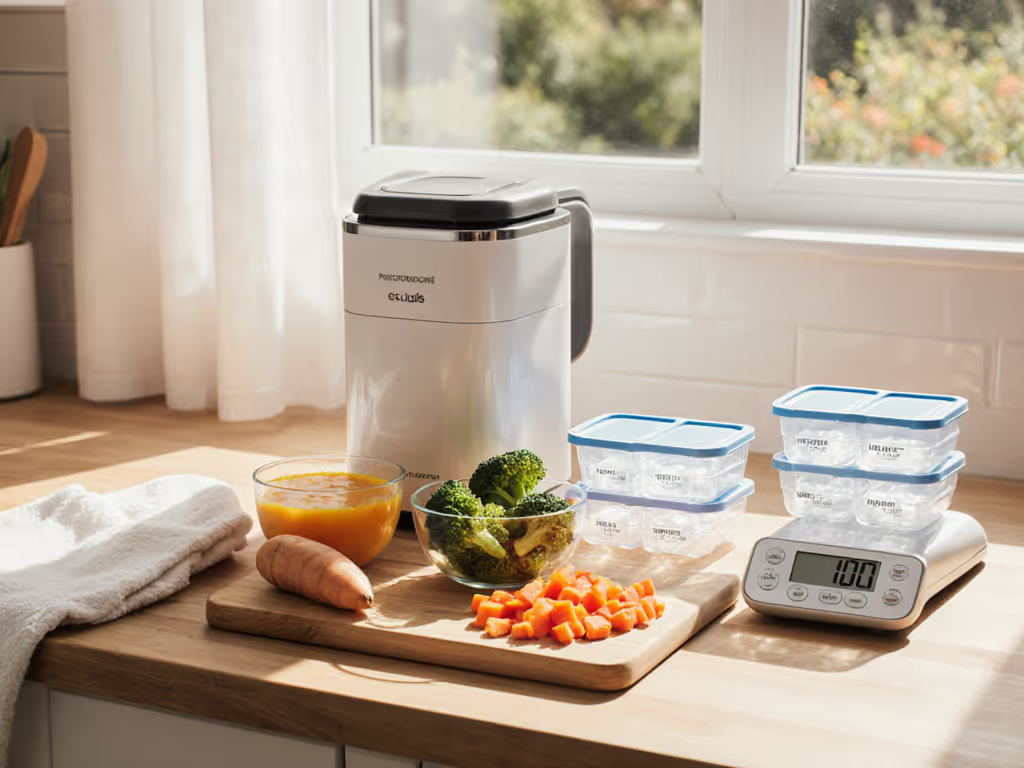
Pediatrician Recommended Baby Food Prep: Step-by-Step Guide
12th Nov•10 min read
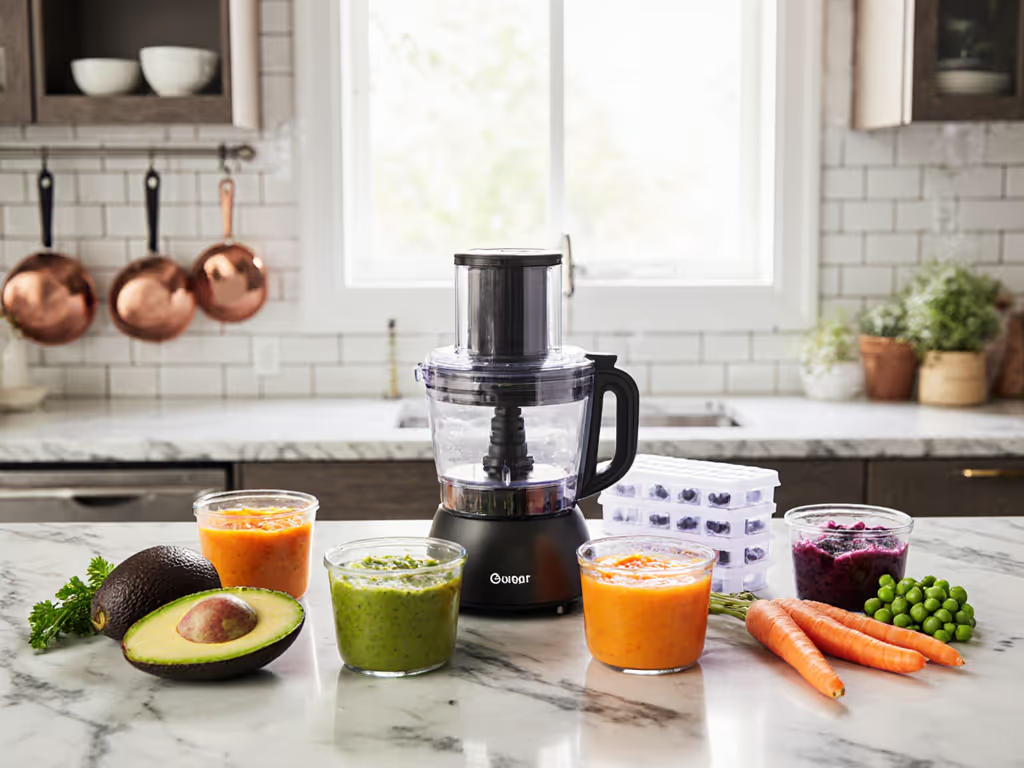
Did you know that preparing baby food in batches can cut meal prep time by up to 75 percent? Many parents struggle to juggle daily cooking with their baby’s nutrition needs. Batch baby food making offers a way to simplify your routine, reduce food costs, and control ingredients with confidence. Discover how this approach can support your child’s healthy development and relieve time pressure in your busy week.
| Point | Details |
|---|---|
| Efficient Nutrition Preparation | Batch baby food making allows parents to efficiently prepare and store nutritious meals, reducing daily cooking time significantly. |
| Cost-Effective Approach | Preparing baby food in bulk can save families between 30-60% on grocery expenses compared to commercial options. |
| Nutritional Control | Homemade baby food offers parents complete control over ingredients, avoiding preservatives and ensuring fresher, less processed meals. |
| Essential Tools for Success | Investing in quality kitchen tools is crucial for successful batch cooking, facilitating nutritional preservation and safe food preparation. |
Batch baby food making is a strategic approach to infant nutrition that allows parents to efficiently prepare large quantities of homemade, nutritious meals for their babies. This method involves cooking multiple portions of soft, easily digestible foods simultaneously, then portioning and storing them for future use. Batch cooking transforms the often time-consuming process of daily baby food preparation into a streamlined, organized system.
The core principle behind batch baby food making is preparation efficiency. Parents select fresh, wholesome ingredients like fruits, vegetables, and grains, cook them until soft, and then puree or mash them to an age-appropriate consistency. These prepared foods are then divided into individual servings, typically using specialized storage containers or ice cube trays, and frozen for convenient future meals. This approach offers several significant advantages:
Parents can approach batch baby food making through different methods, including steaming, roasting, or boiling ingredients. The key is maintaining nutrient integrity while creating smooth, digestible textures suitable for infants at various developmental stages. By dedicating a few hours periodically to batch food preparation, caregivers can provide their babies with fresh, homemade meals that support healthy growth and development.
Bulk baby food preparation offers parents a strategic approach to nutrition that transforms mealtime from a daily challenge into an efficient, organized process. By dedicating a few focused hours to cooking and storing multiple baby meals at once, caregivers can dramatically simplify their infant feeding routine while ensuring consistent, high-quality nutrition. This method goes far beyond simple convenience, providing tangible benefits that support both parental sanity and infant health.
The financial and time-saving advantages of batch baby food making are substantial. Parents can significantly reduce grocery expenses by purchasing ingredients in larger quantities, selecting seasonal produce, and avoiding expensive pre-packaged baby food products. Bulk meal preparation typically cuts food costs by 40-60% compared to commercial baby food options, while giving complete control over ingredient selection and nutritional content. Key economic and practical benefits include:
From a nutritional perspective, batch baby food making enables parents to create meals with maximum nutrient preservation and minimal processing. By controlling cooking methods and avoiding commercial preservatives, caregivers can craft meals that are fresher, more nutritionally dense, and tailored to their baby's specific dietary needs. This approach supports developmental milestones while giving parents peace of mind about their infant's diet, transforming meal preparation from a chore into an act of nurturing and care.
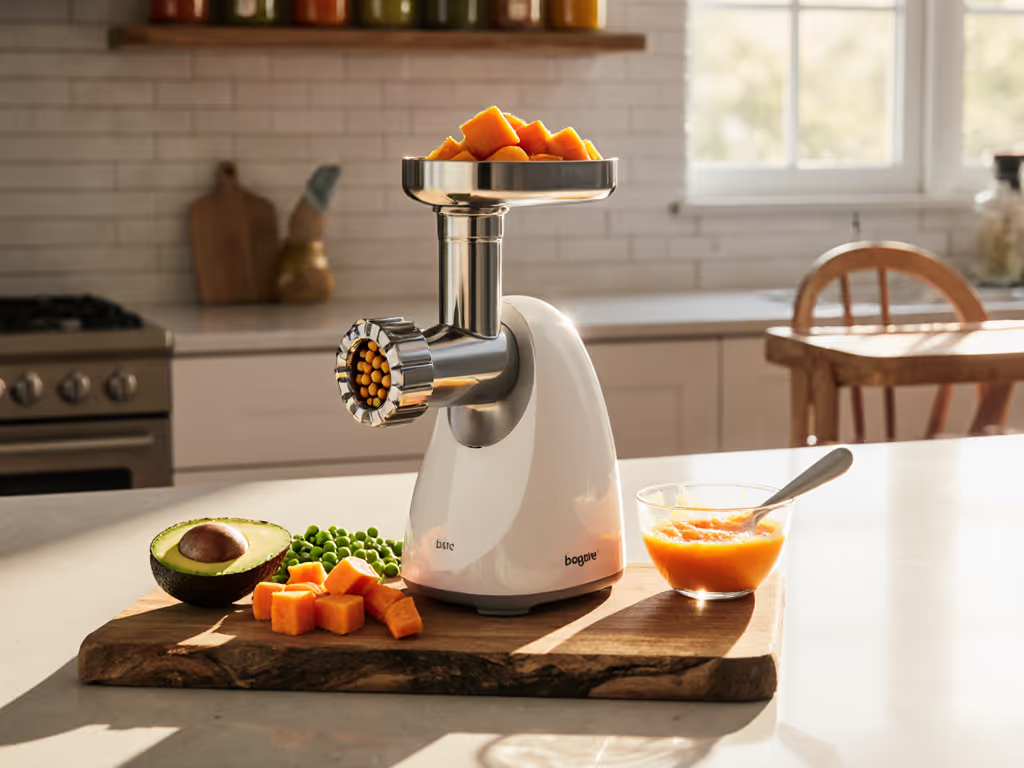
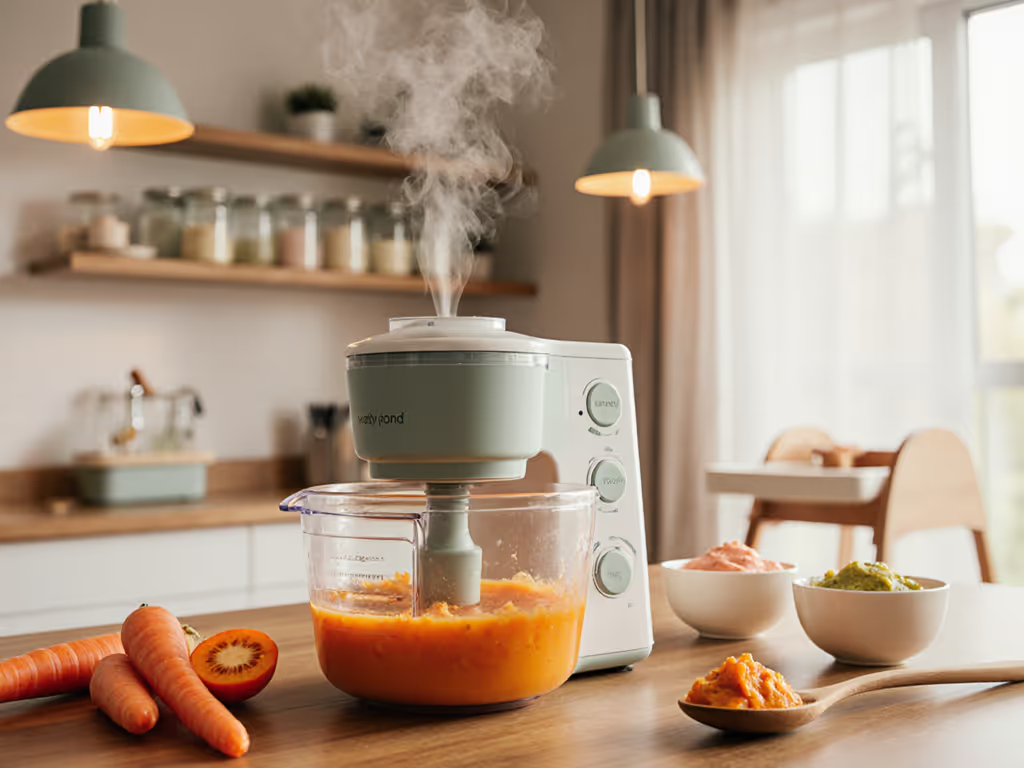
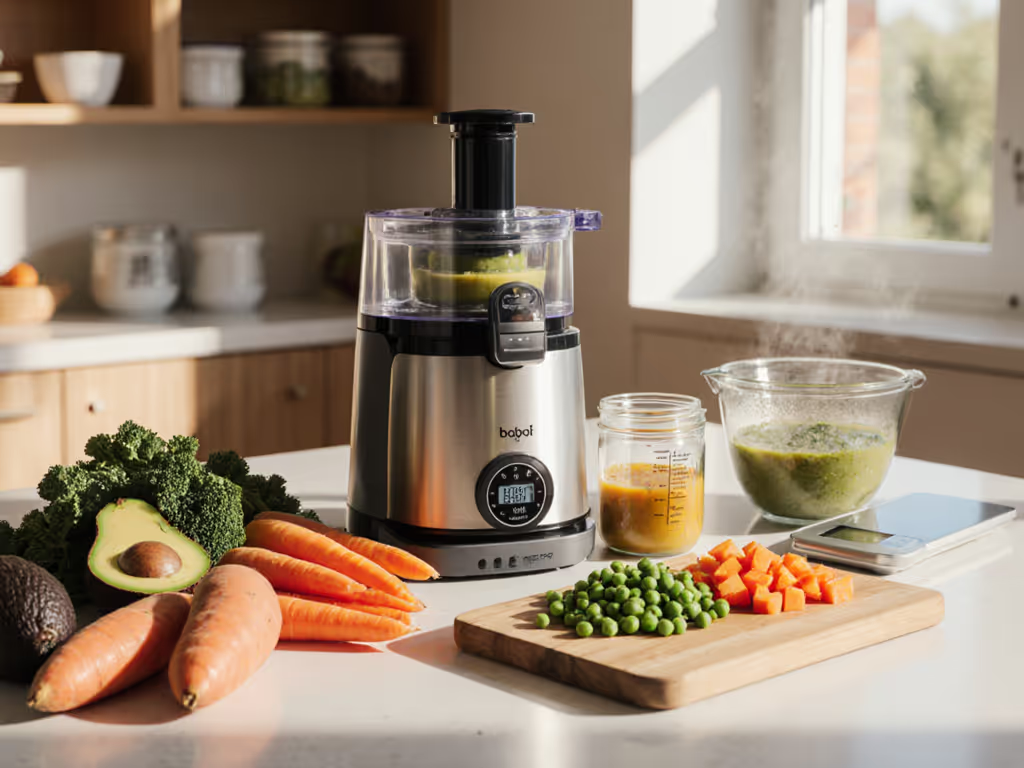
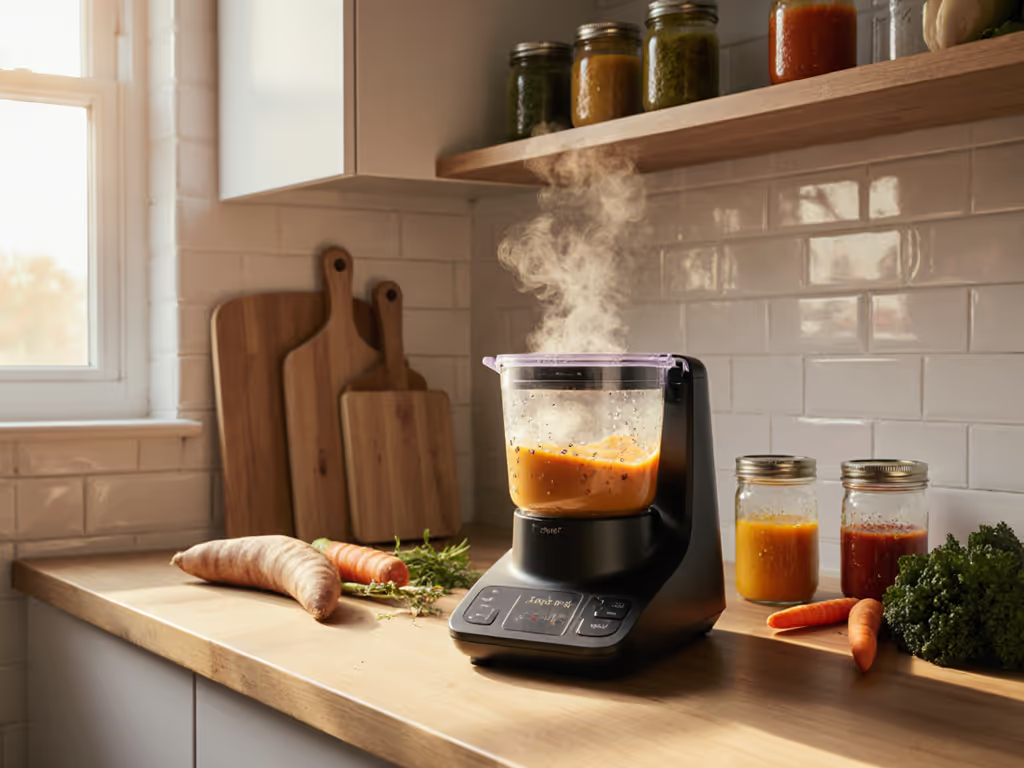
Successful batch baby food making requires a strategic collection of kitchen tools designed to simplify food preparation, ensure nutritional quality, and maintain rigorous food safety standards. While the specific equipment can vary based on personal preference and cooking style, several core appliances and tools are fundamental to creating homemade baby meals efficiently and safely. The right tools transform batch cooking from a potentially overwhelming task into a streamlined, enjoyable process.
The foundation of batch baby food preparation starts with reliable cooking equipment that preserves nutritional integrity. Essential cooking appliances include versatile tools that can steam, blend, and process ingredients with minimal nutrient loss. Parents typically rely on a combination of the following key items:
Storage and preservation represent another critical aspect of batch baby food making. Food safety containers are not just about holding meals but protecting nutritional quality and preventing contamination. Opt for containers with tight-sealing lids, preferably made from food-grade materials like tempered glass or medical-grade silicone. Ice cube trays with covers work wonderfully for portioning small servings, while stackable containers help maximize freezer space and organize multiple meal preparations. Remember that investing in high-quality, durable tools ultimately saves time, reduces waste, and supports your baby's nutritional journey.
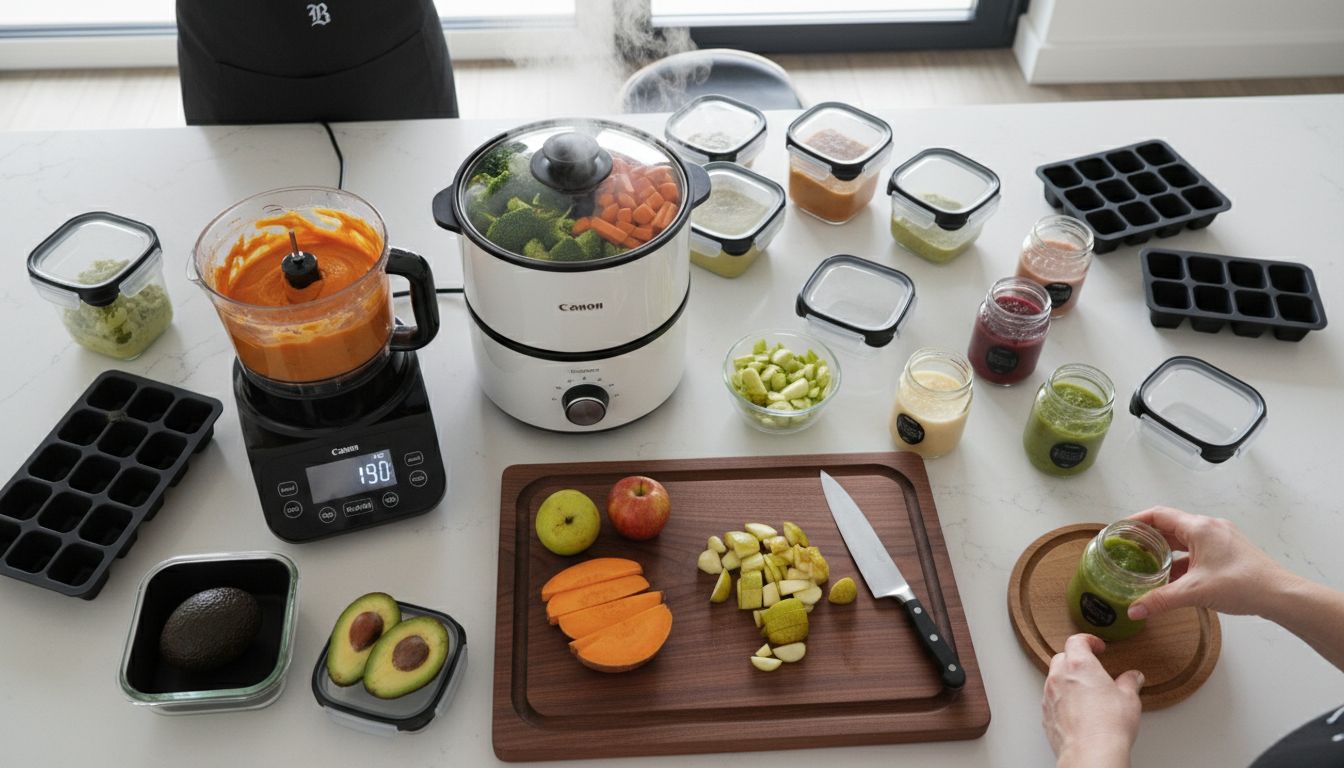
Batch baby food preparation is a methodical process that transforms fresh ingredients into nutritious, ready-to-serve meals for infants. Successful batch cooking requires careful planning, proper technique, and a systematic approach that ensures food safety, preserves nutritional value, and creates convenient meal solutions for busy parents. Understanding each stage of the process can help caregivers create efficient, high-quality homemade baby food.
The cooking process begins with thorough ingredient selection and preparation. Food preparation involves carefully washing, peeling, and chopping fruits, vegetables, and other nutritious ingredients. Parents should focus on selecting fresh, organic produce when possible and removing any potential choking hazards or tough skin. Cooking methods are critical for maintaining nutritional integrity:
Once ingredients are cooked and cooled, the next crucial steps involve blending and portioning. Using a high-powered blender or food processor, puree the cooked ingredients until they reach a smooth, consistent texture appropriate for your baby's age and eating capabilities. The final stage involves careful portioning and storage. Use ice cube trays or specialized baby food storage containers to create uniform, small servings that can be easily thawed and served. Label each portion with the date of preparation and type of food to maintain organization and track freshness, typically storing frozen baby food for up to three months.
Food safety in baby food preparation is not just a recommendation but a critical requirement that directly impacts infant health. Parents must approach batch baby food making with meticulous attention to cleanliness, temperature control, and proper storage techniques. Every step from ingredient selection to final storage demands careful consideration to prevent potential foodborne illnesses and maintain optimal nutritional quality.
Proper hygiene begins with thorough preparation and sanitization of all equipment and work surfaces. Kitchen sanitation involves multiple strategic steps to minimize contamination risks:
Storage represents the final critical phase of batch baby food safety. Cooked and pureed foods should be rapidly cooled to room temperature, then immediately refrigerated or frozen in specialized containers designed to prevent bacterial growth. Storage best practices recommend keeping refrigerated baby food for no more than 48 hours and frozen portions for up to three months. Always label containers with preparation dates, use transparent storage solutions to easily identify contents, and implement a first-in, first-out rotation system to ensure the freshest meals are served to your infant. Thaw frozen baby food in the refrigerator and never refreeze previously thawed portions to maintain maximum nutritional integrity and safety.
Homemade baby food and commercial options represent two distinctly different approaches to infant nutrition, each with unique advantages and considerations. Parents navigating the complex landscape of infant feeding must carefully evaluate the nutritional, economic, and practical implications of their choices. While commercial baby foods offer convenience, batch-made meals provide unparalleled control over ingredients and nutritional content.
The primary differences between batch-made and commercial baby food emerge in several critical areas of comparison. Nutritional quality stands as the most significant distinguishing factor, with homemade options typically offering fresher, less processed ingredients. Commercial baby foods often undergo extensive processing that can diminish nutritional value:
Economic considerations further separate these two approaches. While commercial baby foods seem convenient, batch cooking can significantly reduce overall food expenses. A typical family can save between 30-50% by preparing meals at home, with the added benefits of knowing exactly what ingredients are being served. The time investment in batch cooking becomes a strategic approach to both nutrition and family budgeting, transforming meal preparation from a chore into an intentional act of care for your infant's health and development.
Here's a comparison of batch-made and commercial baby food:
| Feature | Batch-Made Baby Food | Commercial Baby Food |
|---|---|---|
| Ingredient Control | Complete<br>Parent chooses all ingredients | Limited<br>Preselected by manufacturers |
| Nutritional Value | High<br>Fresher, less processed | Moderate<br>Often highly processed |
| Preservatives | None<br>Homemade, preservative-free | Present<br>Often includes additives |
| Cost | Lower<br>30-50% savings | Higher<br>Premium pricing |
| Texture Customization | Fully adjustable | Limited options |
| Preparation Time | Upfront time required | Ready-to-eat, no prep |
| Storage Duration | Up to 3 months frozen | Long shelf life |
| Additives & Fillers | None | Common |
Batch baby food making promises nutritious, homemade meals but often comes with challenges like time, mess, and finding appliances that fit your needs. If you want to save time while ensuring your little one’s meals are fresh and safe, understanding the best baby food makers can transform your batch cooking routine. The article highlights key concerns such as cooking efficiency, food safety, and portioning convenience—problems that can be solved by using quiet, easy-to-clean, and one-handed operated appliances designed specifically for busy parents.
Discover the appliances that simplify steaming, blending, and storing with expert reviews and practical buying advice. Explore Parent Kitchen Lab to find detailed comparisons and pediatrician-backed recommendations that focus on noise levels, safety features, and overall convenience. Don’t wait to make meal prep less stressful and more rewarding. Visit Parent Kitchen Lab today and equip yourself with the ideal baby food maker to boost your batch cooking success and keep your baby nourished every day.
Batch baby food making offers several advantages, including consistent nutritional quality, reduced daily cooking time, precise control over ingredients, minimized exposure to additives, and cost-effective meal solutions.
To ensure food safety, it's essential to wash hands before preparation, sanitize cooking surfaces, use separate cutting boards for different food types, and store pureed foods in airtight containers to prevent bacterial growth.
Essential tools include a high-powered blender or food processor, multi-function steamer, sharp cutting board, stainless steel cooking pots, and silicone freezer storage trays to facilitate safe and easy food preparation and storage.
Homemade baby food can be stored in the freezer for up to three months. It's important to label containers with the preparation date and use a first-in, first-out rotation system to ensure freshness.