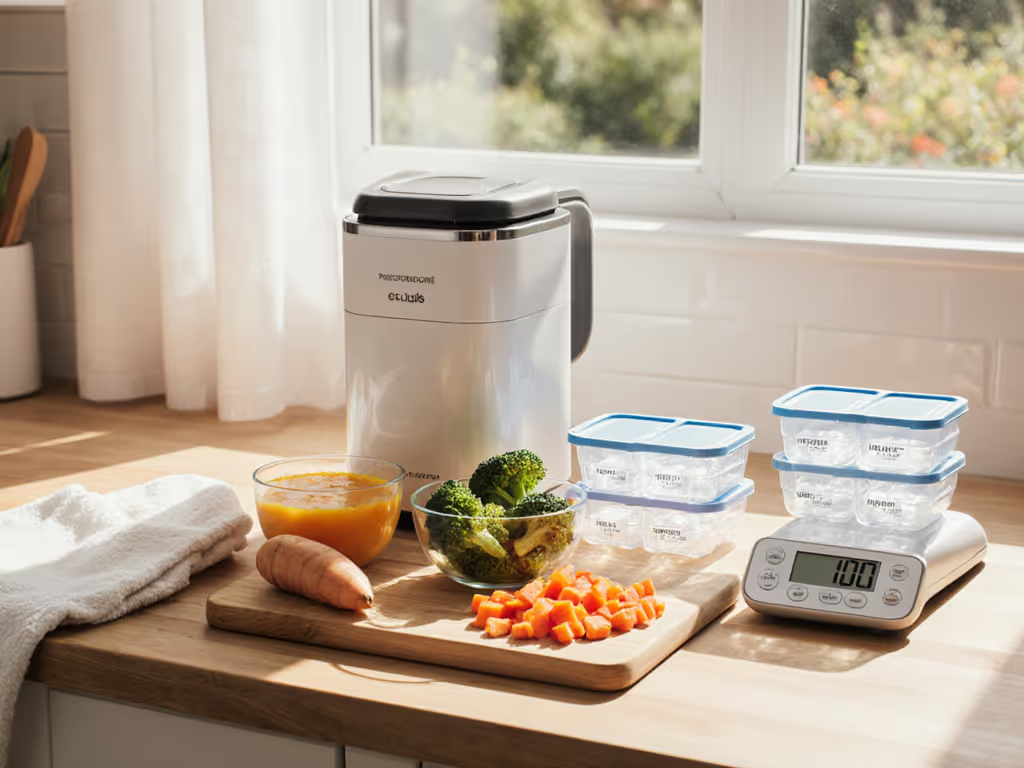
Pediatrician Recommended Baby Food Prep: Step-by-Step Guide
12th Nov•10 min read
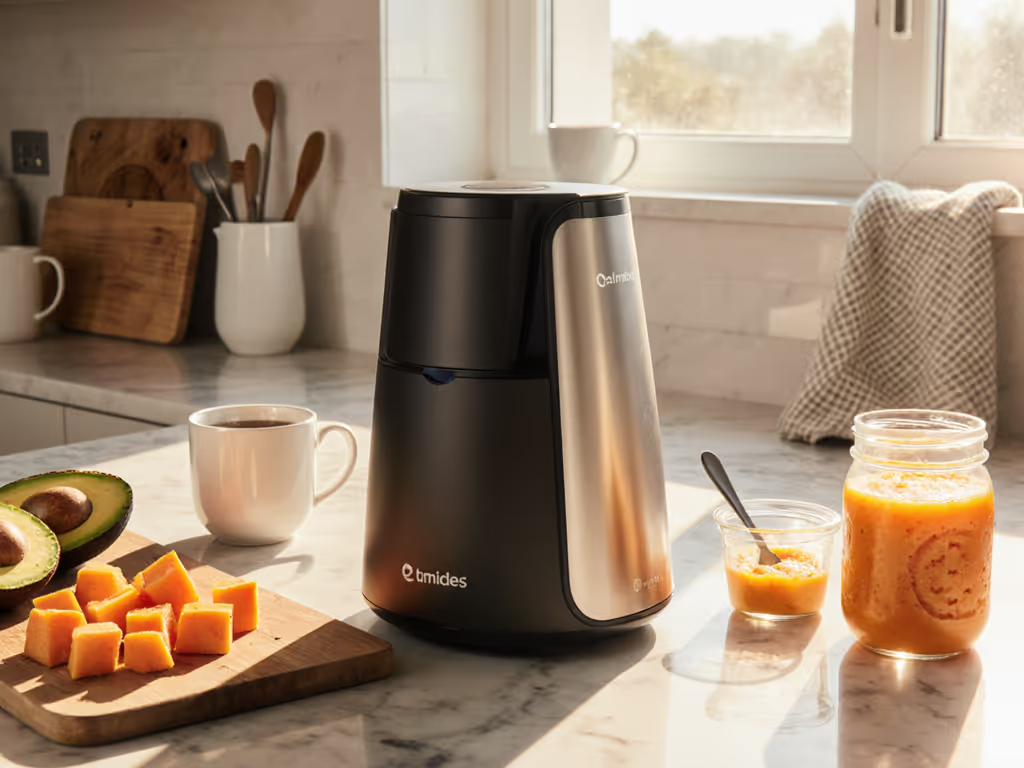
Did you know that a typical blender can wake a sleeping baby from across the house? Every parent knows how priceless quiet moments are, especially when prepping healthy meals while your baby sleeps. Choosing the right baby food maker means less noise, safer materials, and easier multitasking. Learn how thoughtful choices make mealtime smoother, safer, and even more cost-effective for your growing family.
| Takeaway | Explanation |
|---|---|
| 1. Choose a quiet baby food maker | Select models operating below 60 decibels to avoid disturbing naps. |
| 2. Ensure materials are BPA-free | Look for food makers made from safe materials like glass and silicone to protect your baby. |
| 3. Opt for one-handed operation features | Choose baby food makers designed for easy use with one hand to accommodate busy parents. |
| 4. Maintain a systematic cleaning routine | Clean all parts thoroughly after each use to prevent bacterial growth and ensure food safety. |
| 5. Consider long-term resale value | Invest in reputable brands known for durability to maximize resale potential when your needs change. |
When you have a sleeping baby, silence becomes golden. Your baby food maker can easily become the unexpected disruptor of precious naptime peace. Noise levels matter dramatically when preparing meals during those quiet household moments.
Sound can travel surprisingly far in a quiet home. According to Homes & Gardens, certain kitchen appliances generate noise levels that can startle even the most soundly sleeping infant. Professional testing reveals that baby food makers operating below 60 decibels create minimal household disruption.
So what should you look for? Noise reduction features are key. Seek out food makers with insulated containers, rubber base padding, and motor designs specifically engineered for quiet operation. Soundproof Genius highlights models like the Cuisinart processor which operates at an impressive 58.8 decibels.
Practical tips for selecting a quiet baby food maker include:
Remember. Your goal is maintaining that precious naptime rhythm while efficiently preparing nutritious baby meals. A thoughtfully selected quiet food maker becomes your secret weapon in peaceful household meal preparation.
Protecting your baby from harmful chemicals starts with understanding what materials touch their food. Baby food makers are not all created equal when it comes to safety and material composition.
Bisphenol A (BPA) represents a significant health concern for infant products. This industrial chemical can potentially leach into food and beverages from certain plastic containers. Research demonstrates that prolonged exposure might impact infant neurological and hormonal development.
Leading manufacturers recognize this critical safety issue. Philips confirms that all parts of their baby food maker coming into contact with food or water are constructed from BPA-free materials. Koaiv recommends selecting containers made from alternative materials such as:
When shopping for a baby food maker, prioritize safety over convenience. Carefully examine product specifications. Ask manufacturers directly about material composition. Read independent testing reports. Your vigilance protects your infant from potential chemical exposure during their most vulnerable developmental stages.
Parenthood transforms your arms into full-time baby management stations. One-handed kitchen tools become survival gear when you are simultaneously holding a fussy infant, answering phone calls, or managing household chaos.
Modern baby food makers understand this parental reality. Zino Childcare highlights innovative models designed specifically for multitasking parents. The QOOC 4-in-1 Mini Baby Food Maker exemplifies this trend with intuitive controls that can be managed using a single hand.
Why does one-handed operation matter? Think about those moments when your baby needs comfort while you prep their next meal. Ergonomic design meets practical parenting needs. The BEABA Babycook Neo represents a new generation of appliances engineered for maximum parental flexibility.
When selecting a one-handed baby food maker, consider these key features:
Remember. Your kitchen tool should adapt to your parenting style not the other way around. A truly great baby food maker becomes an extension of your multitasking superpowers.
Your baby food maker is more than a kitchen appliance. It is a critical tool for preparing healthy infant nutrition and requires meticulous care to prevent bacterial growth and ensure food safety.
Cleaning protocols matter dramatically when preparing meals for vulnerable infants. Philips recommends understanding the specific materials of your food maker to determine appropriate cleaning methods. Different components may require unique maintenance approaches.
Bacteria can multiply quickly in food preparation environments. Regular cleaning prevents potential contamination and protects your infant from foodborne illnesses. Professional guidelines suggest developing a systematic cleaning routine that addresses both visible surfaces and hard to reach areas.
When maintaining your baby food maker, focus on these key practices:
Remember. Consistent maintenance transforms your baby food maker from a simple appliance into a trusted partner in your infant's nutritional journey. Your diligence ensures safe, healthy meal preparation every single time.
Time becomes your most precious resource when caring for an infant. Batch cooking transforms meal preparation from daily chore to strategic parenting approach.
Zino Childcare recommends selecting baby food makers with larger capacities to maximize efficiency. The Cuisinart 14-Cup Food Processor exemplifies this approach by allowing parents to prepare multiple servings simultaneously.
Batch cooking offers significant advantages beyond time savings. You create a consistent nutritional supply while reducing daily kitchen stress. BEABA Babycook Neo demonstrates how modern appliances facilitate steaming and blending larger quantities for future use.
To master batch cooking for infant nutrition, consider these strategic tips:
Remember. Successful batch cooking is about working smarter not harder. Your baby food maker becomes a powerful ally in creating nutritious meals efficiently and consistently.
The right storage method transforms your carefully prepared baby meals from potential health risk to nutritional gold. Food preservation is not just about convenience it is about infant safety.
Koaiv recommends specific container materials that protect your baby's nutrition. Glass and food grade silicone emerge as top choices for storing infant meals because they prevent chemical leaching while maintaining food quality.
Your storage strategy impacts nutritional integrity and potential bacterial growth. Havourtech highlights innovative materials like bamboo fiber that offer safe storage solutions without compromising food quality.
Consider these critical storage guidelines:
Remember. Your storage choices directly influence your infant's nutritional safety. Thoughtful preservation transforms meal preparation from daily task to an act of loving care.
Parents understand that baby gear represents a significant investment. Smart purchasing means considering long term financial value beyond initial functionality.
Zino Childcare reveals that certain baby food maker brands demonstrate remarkable value retention. Manufacturers like BEABA and Philips consistently produce appliances that attract second hand market interest due to durability and reputation.
Resale value depends on multiple factors. The BEABA Babycook Neo exemplifies an appliance with excellent market potential by offering versatile functions and superior construction quality. Potential buyers seek reliable equipment with proven performance track records.
When evaluating potential resale value, consider these critical assessment criteria:
Remember. Your baby food maker is not just a kitchen tool. It is a strategic investment that can potentially return significant financial value when carefully selected and maintained.
This table summarizes key aspects of choosing a baby food maker focusing on noise level, material safety, ease of use, cleaning, cooking strategies, storage, and resale value.
| Topic | Key Points & Actions | Benefits/Outcomes |
|---|---|---|
| Noise Level | Look for models with <60 dB, insulated containers, etc. | Quiet operation maintains naptime peace |
| Material Safety | Ensure BPA-free, non-toxic materials; consider glass or silicone | Protects infants from harmful chemicals |
| Ease of Use | Opt for one-handed operation with large, simple controls | Facilitates multitasking during meal prep |
| Cleaning | Disassemble and clean all parts thoroughly | Prevents bacterial growth and ensures safety |
| Batch Cooking | Use larger capacity processors; freeze portions | Saves time and reduces daily meal prep stress |
| Storage Solutions | Use glass or silicone containers; label and date foods | Maintains nutritional quality and safety |
| Resale Value | Choose reputable brands and preserve condition | Retains financial value for future resale |
The challenge every parent faces is finding a baby food maker that is quiet, safe, easy to use, and fits into a busy schedule. This article highlights important issues like noise levels that protect your baby's naps, one-handed operation for multitasking, and safe, BPA-free materials that keep your infant healthy. You want a tool that respects these needs while supporting your parenting journey.
At Parent Kitchen Lab, we understand these pain points deeply. We offer thorough reviews and guides focused on exactly these key concerns to help you select the perfect appliance. Learn about baby food makers that run quietly, clean easily, and allow batch cooking without disrupting your day. Explore expert reviews and detailed comparisons now to take the stress out of meal prep.
Don’t wait to improve your baby’s nutrition with convenience and safety. Visit Parent Kitchen Lab today and choose a baby food maker designed for your busy lifestyle and your child’s wellbeing. Your next peaceful naptime meal is just a click away.
To ensure minimal disruption during naptime, look for models operating below 60 decibels. Focus on noise reduction features such as insulated containers and rubber padding.
Examine product specifications to confirm that all materials in contact with food are BPA-free. Prioritize products made from glass, stainless steel, or food-grade silicone to avoid harmful chemicals.
Choose baby food makers with large, clearly marked buttons and a stable base. This will allow you to operate the appliance easily while attending to your baby, making meal prep more efficient.
You should clean your baby food maker after each use to prevent bacterial growth. Disassemble all parts, wash them with soapy water, and air dry them to ensure a safe food preparation environment.
Prepare ingredients in bulk during weekends to maximize efficiency. Use freezer-safe containers to store meals and label each batch with preparation dates to ensure freshness.
Use airtight, BPA-free containers to store prepared baby food. Refrigerate the food within two hours and aim to consume it within 48 hours to maintain nutritional quality.