Pediatrician Recommended Baby Food Prep: Step-by-Step Guide
12th Nov•10 min read
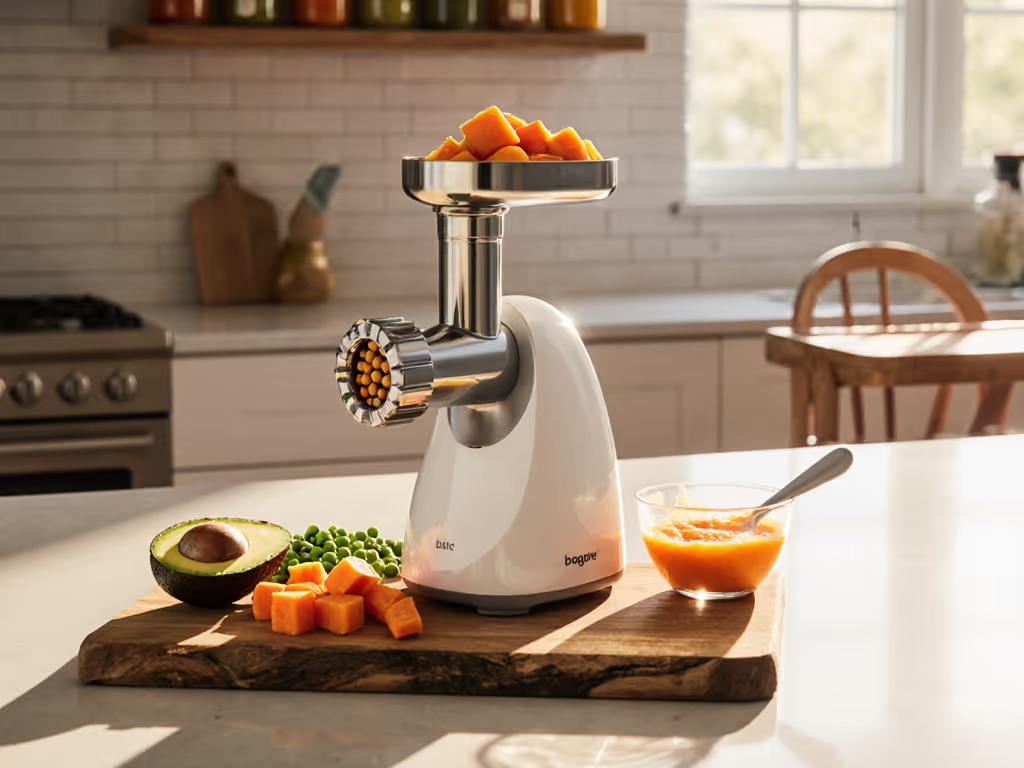
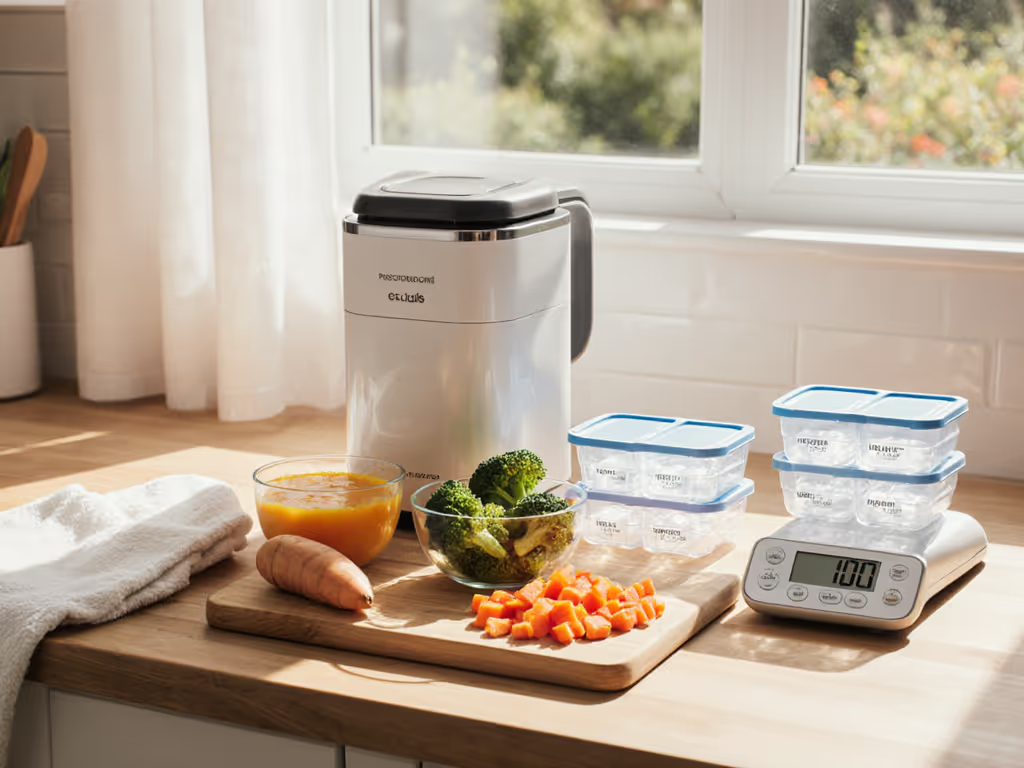
The evolution of baby food preparation reflects a journey from labor-intensive traditional methods to today's efficient, purpose-built appliances. This progression mirrors changing nutritional science, caregiver needs, and technological innovation, with historical milestones shaping modern designs that prioritize quiet operation, space efficiency, and safety. Analyzing this transition reveals how data-driven engineering now addresses core caregiver pain points while honoring foundational feeding principles.
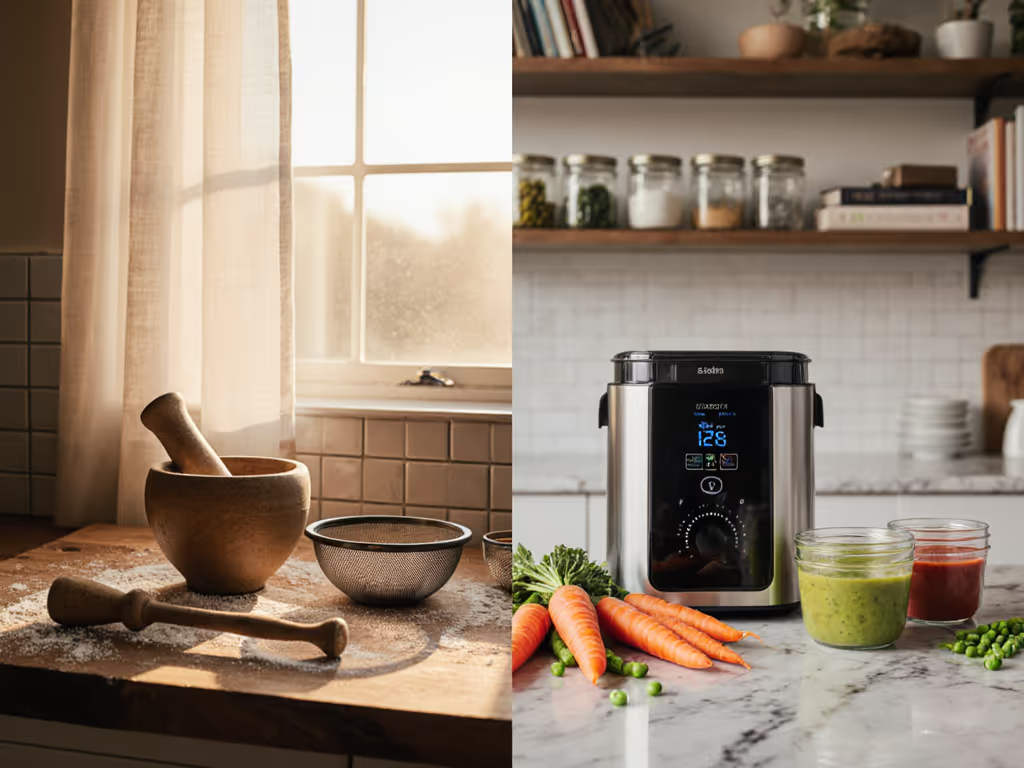
Early infant food preparation relied on simple, multi-use tools adapted from general kitchens:
These methods shared critical limitations: preparation often exceeded 30 minutes per meal, created variable textures risking choking hazards, and generated noise disruptive to infant sleep (challenges exacerbated in small living spaces). The labor intensity meant homemade options were often abandoned for pre-packaged foods following Gerber's 1927 commercial launch[1][7].
Mass-produced alternatives emerged as interim solutions:
While these reduced active prep time, caregivers sacrificed freshness control and faced escalating costs. For a safe, step-by-step switch to homemade, see our store-bought to homemade guide. The 1970s resurgence in homemade preparations highlighted demand for dedicated tools bridging commercial convenience with nutritional customization[7][8].
Contemporary baby food makers integrate targeted advancements addressing historical pain points:
| Feature | Traditional Tools | Modern Solutions | Caregiver Impact |
|---|---|---|---|
| Noise Output | High-impact grinding | <55 dB sealed motors | Nap preservation |
| Footprint | Multi-tool clutter | Unified <0.5 sq ft units | Apartment compatibility |
| Operation | Two-handed force | One-touch automation | Postpartum accessibility |
| Cleanup | Porous surfaces | Dishwasher-safe seals | 5-min turnaround |
| Versatility | Single-texture output | Steam-blend-sear modes | Infant-to-toddler transition |
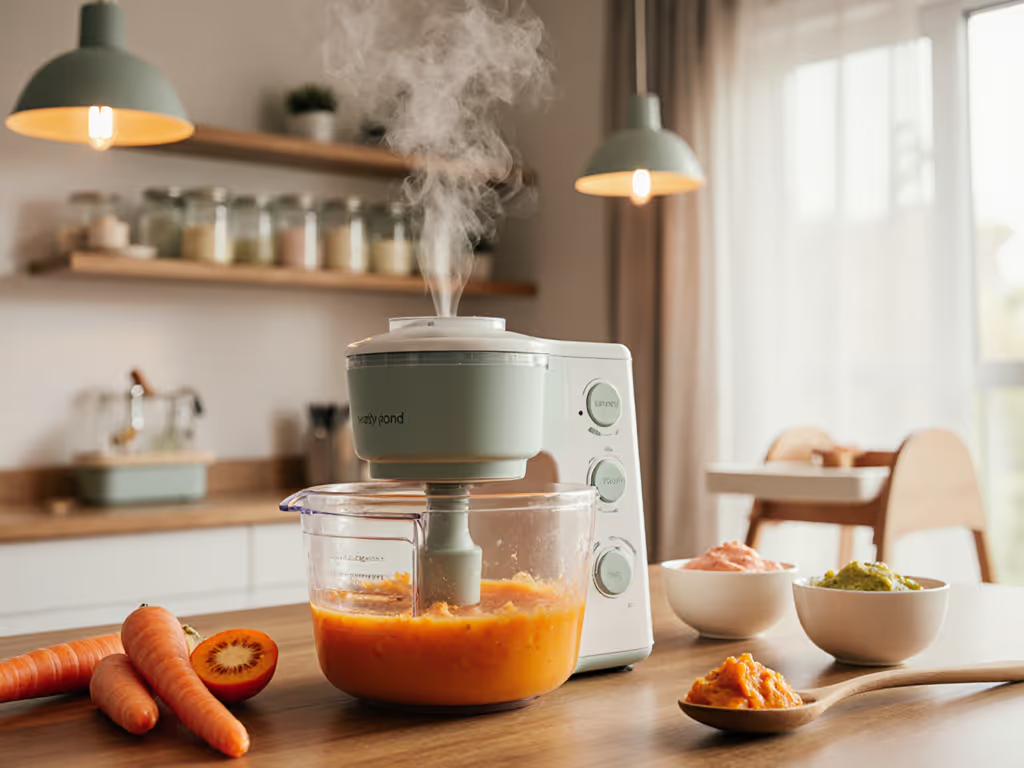
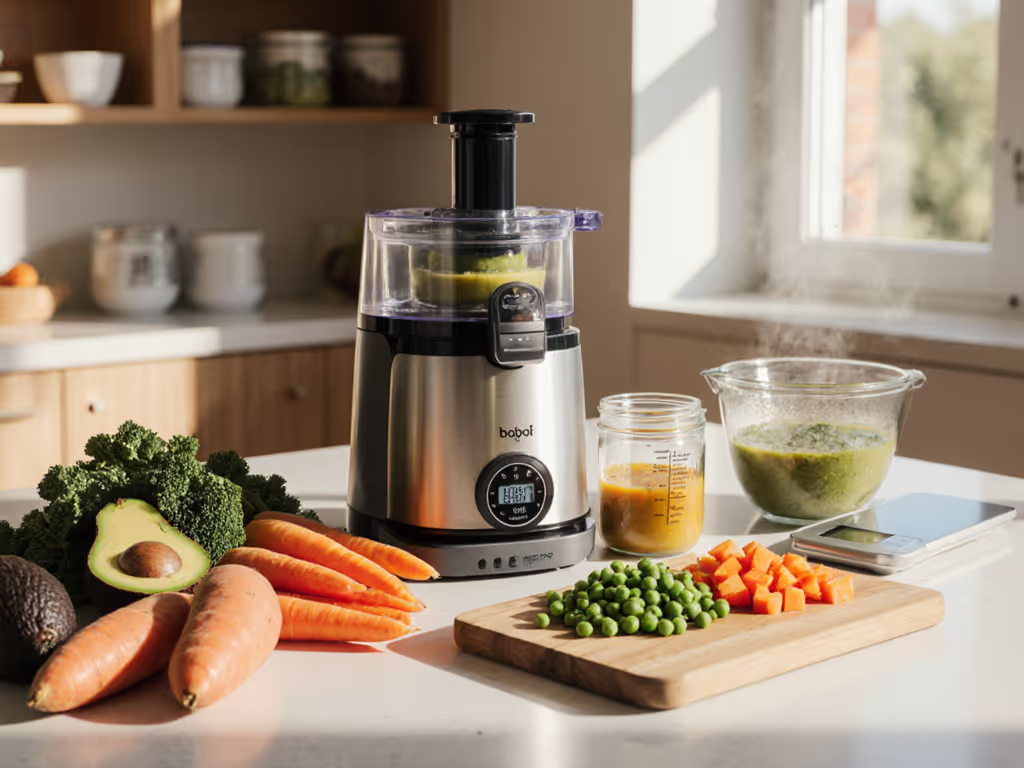
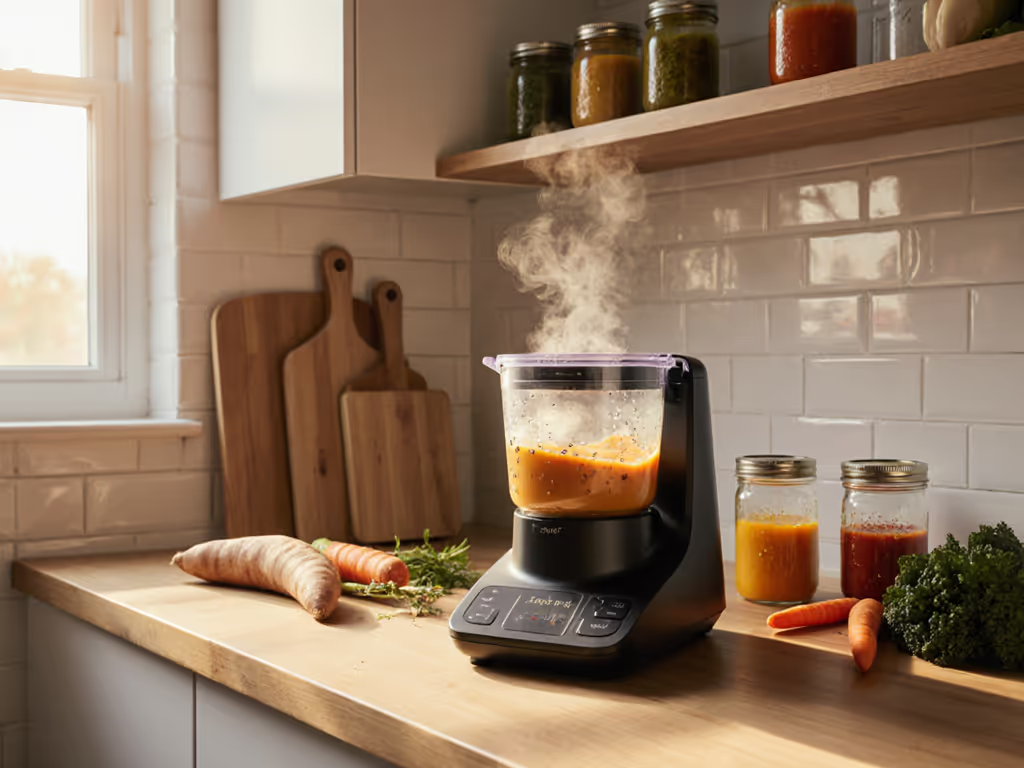
These data-informed designs directly counter core frustrations: vibration-dampened bases prevent countertop "walking," antimicrobial materials eliminate allergen cross-contamination risks, and integrated steam baskets enable single-vessel cooking (reducing active involvement from 30+ minutes to under 5 minutes per meal[8]). For nutrition-focused pros and cons, compare our steamer vs non-steamer comparison. Quiet wins counter space not just through decibel reduction, but also by consolidating multiple tools into one counter-worthy appliance. If counter space and nap time are critical, explore our quiet, space-saving baby food makers.
Emerging trends focus on prolonging utility and enhancing safety:
The progression from mortar to microprocessor illustrates how infant nutrition tools evolved from pragmatic adaptations to purpose-engineered solutions. Modern appliances embody a measurable calm philosophy, validating their counter space through quantifiable quietness, minimized footprint, and reliable performance that respects both infant needs and caregiver realities. Further exploration into material longevity and adaptive algorithms will continue refining this indispensable category. To plan for durability and support, check our best warranty baby food makers.