Pediatrician Recommended Baby Food Prep: Step-by-Step Guide
12th Nov•10 min read
Did you know that over 60 percent of parents worry about the safety of store-bought baby food? Choosing and preparing homemade meals gives families stronger control over what their child eats each day. Safe food prep and smart ingredient choices not only protect your baby’s health but also help foster essential growth and healthy eating habits from the very first bite.
| Point | Details |
|---|---|
| Healthy Preparation Methods | Focus on hygiene, ingredient quality, and food safety to ensure optimal nutrition for infants. |
| Essential Equipment | Utilize key tools like blenders and steamers to create safe and nutritious baby food easily. |
| Ingredient Selection | Choose fresh, whole, and organic ingredients while introducing new foods one at a time to monitor allergies. |
| Homemade vs. Store-Bought | Homemade baby food offers better control over ingredients and nutrients while fostering healthy eating habits. |
Healthy baby food preparation is more than just cooking food—it's a precise process designed to ensure optimal nutrition, safety, and developmental support for infants. Food preparation requires careful attention to ingredient selection, cooking techniques, and serving methods that meet an infant's unique nutritional needs.
The core principles of healthy baby food preparation involve several critical steps: thoroughly washing hands and equipment, maintaining strict separation between raw and cooked foods to prevent cross-contamination, and selecting high-quality ingredients without added salt, sugar, or unnecessary fats. This approach ensures that each meal supports your baby's growth and protects them from potential foodborne illnesses. Ingredient quality matters immensely—choosing fresh, organic produce and lean proteins provides the best nutritional foundation.
At different developmental stages, food preparation techniques must adapt. For younger infants, this means creating smooth purees with consistent textures that are easy to swallow. As babies grow, parents can gradually introduce more textured foods that encourage chewing and motor skill development. Key techniques include:
Consistent food safety practices are non-negotiable. Always wash produce thoroughly, cook meats to recommended internal temperatures, and use clean utensils and preparation surfaces. By prioritizing these methods, parents can transform simple ingredients into nutritious meals that support their baby's growth and development.
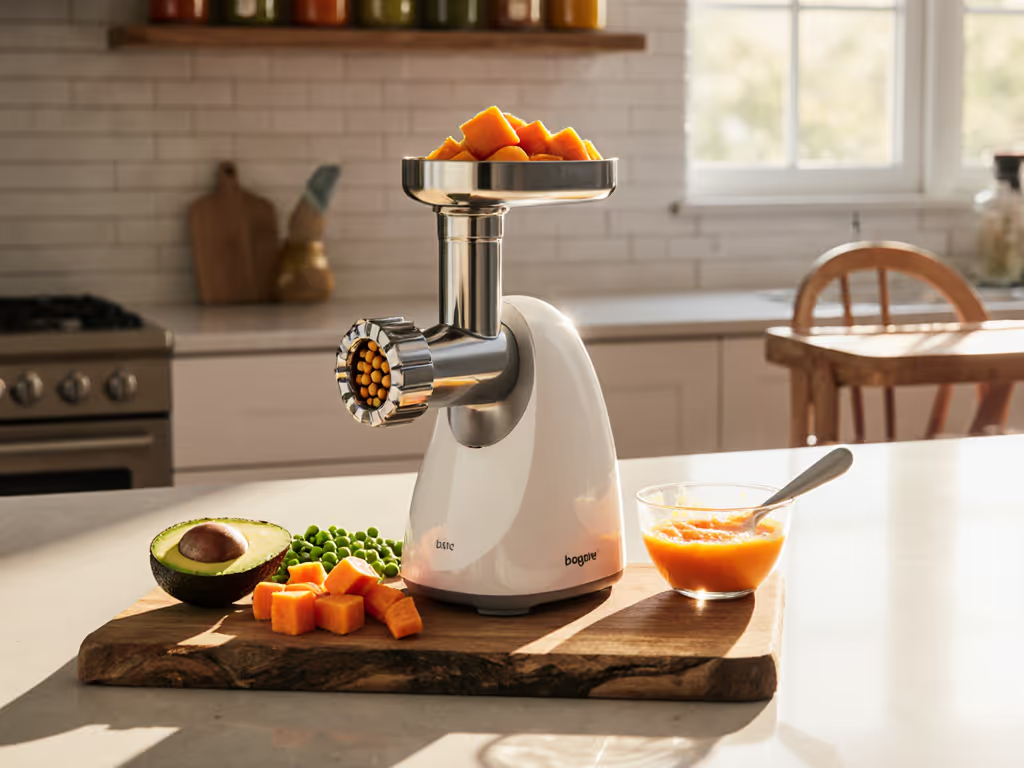
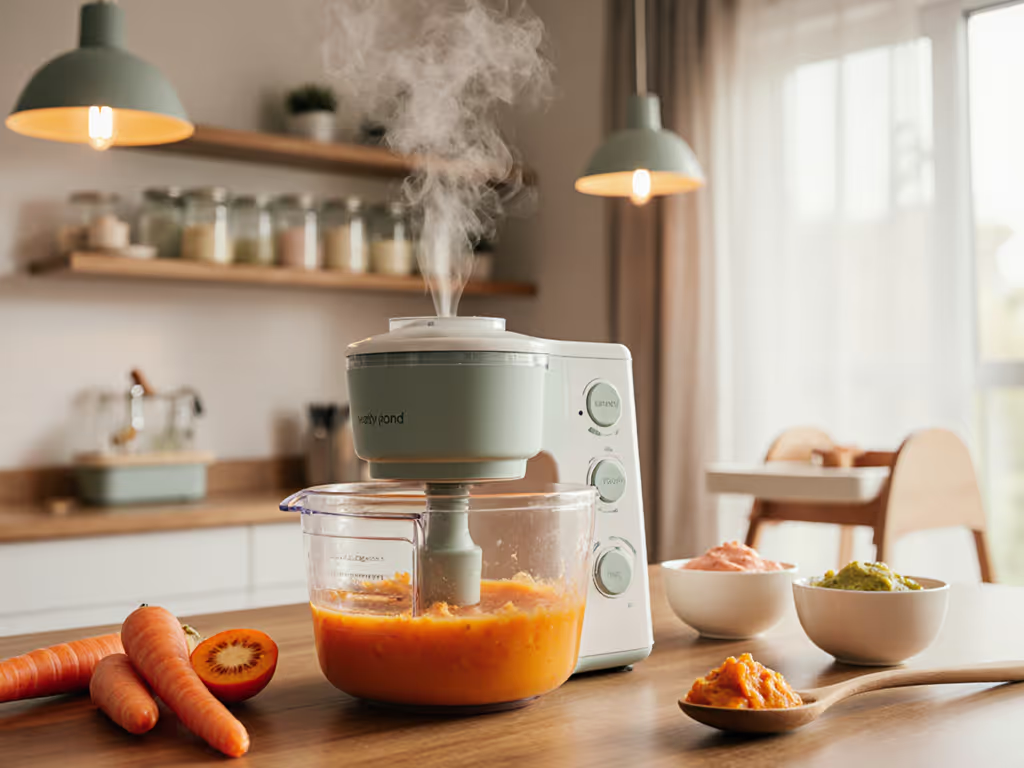
Creating nutritious homemade baby food requires a thoughtful selection of kitchen equipment that transforms fresh ingredients into safe, developmentally appropriate meals. The right tools not only simplify the food preparation process but also ensure consistent texture, optimal nutrition, and streamlined meal planning for busy parents.
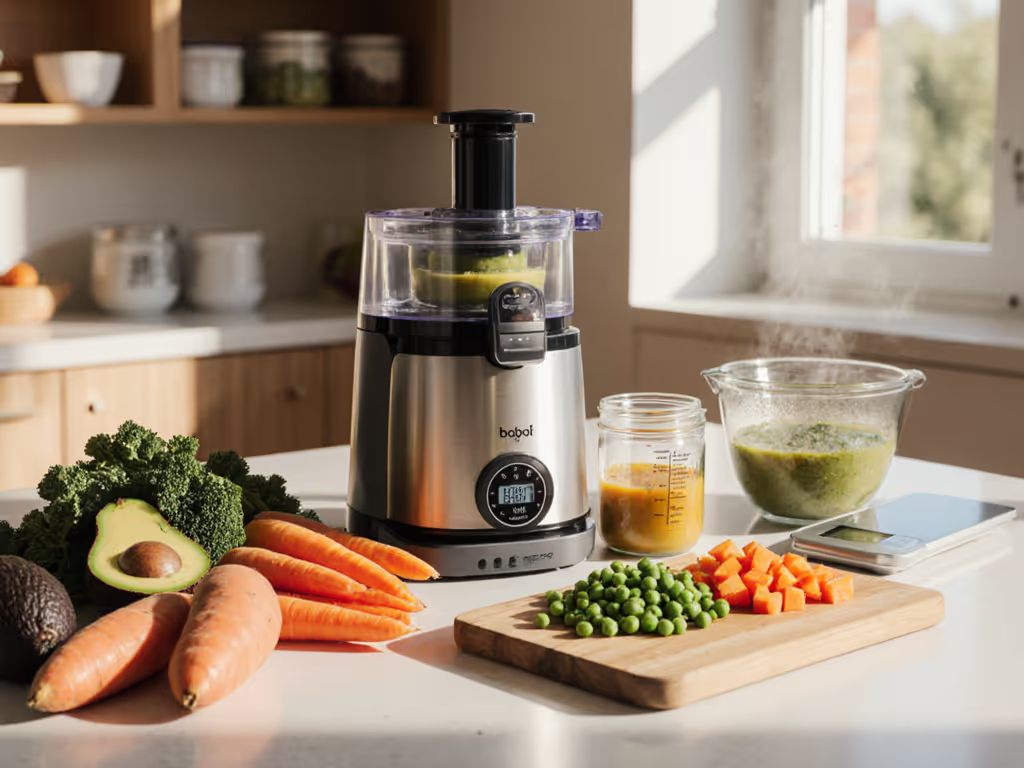
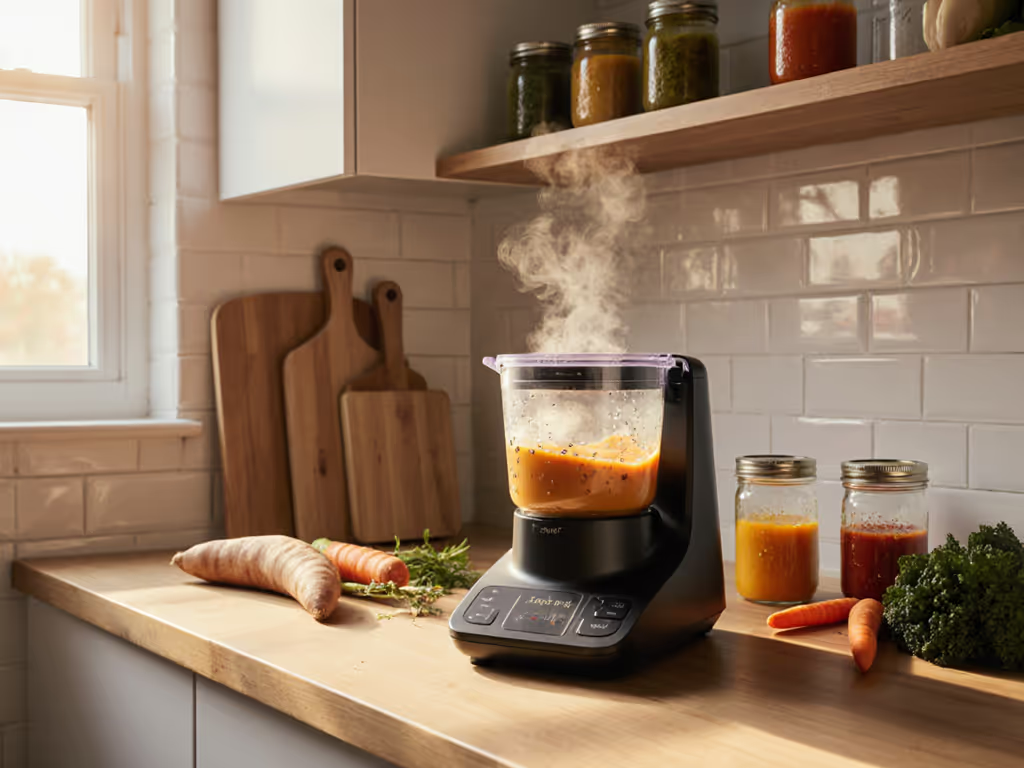
At the core of baby food preparation, parents need several key tools that transform whole ingredients into infant-friendly meals. A high-quality blender or food processor becomes essential for creating smooth purees, while a sturdy steamer helps preserve vital nutrients during cooking. These primary tools work together to break down fruits, vegetables, and proteins into easily digestible consistencies that support an infant's nutritional needs.
Specific equipment recommendations for comprehensive baby food preparation include:
Safety and hygiene remain paramount when selecting baby food preparation equipment.
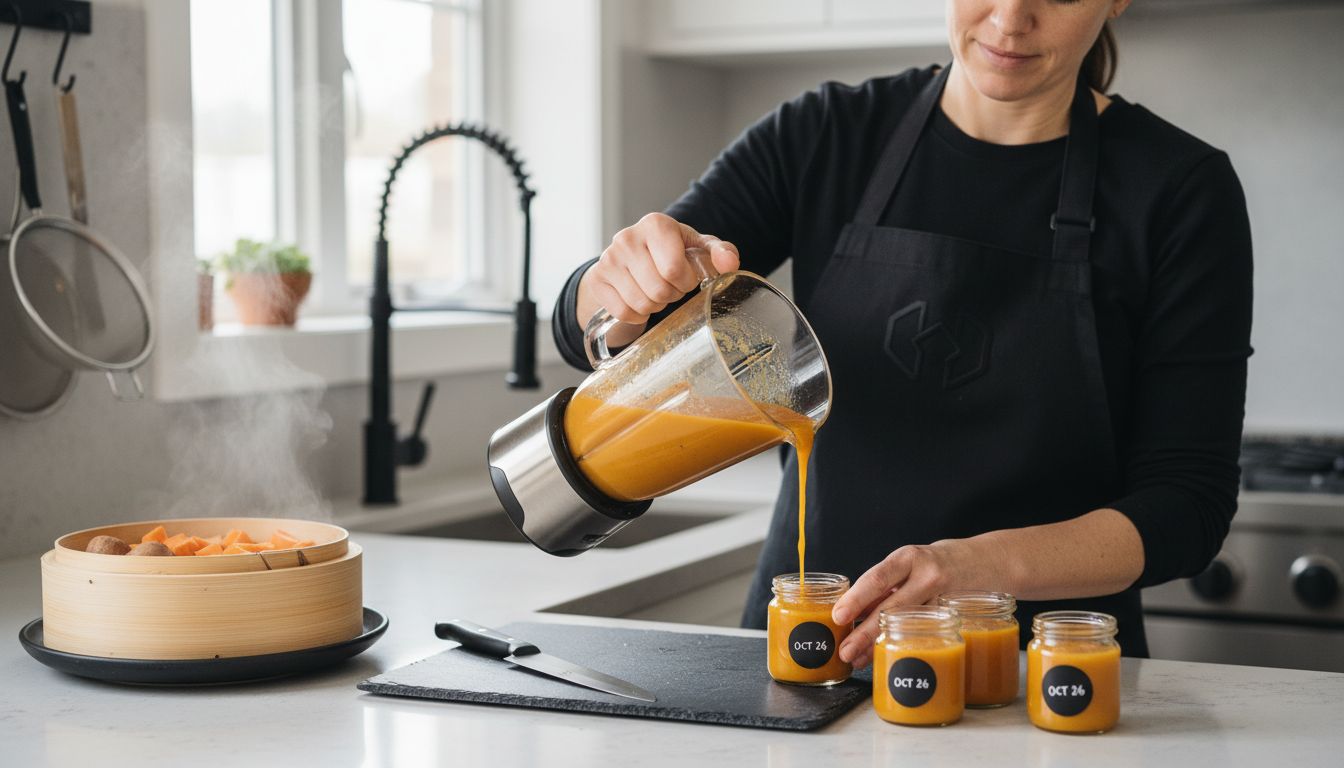 Invest in tools made from food-grade materials, preferably with minimal plastic components. Stainless steel and glass alternatives offer durability and reduce potential chemical interactions with food. Regular cleaning and maintenance of these tools will help ensure your baby receives the highest quality, safest possible homemade meals.
Selecting ingredients for baby food is a critical process that directly impacts an infant's growth, development, and overall health. Nutritional selection goes far beyond simply picking random fruits and vegetables—it requires careful consideration of freshness, nutritional profile, and potential allergen risks.
Parents should prioritize whole, unprocessed ingredients that offer maximum nutritional benefits. Fresh, organic produce provides the highest quality nutrients with minimal exposure to pesticides and chemical additives. Lean proteins, whole grains, and a diverse range of fruits and vegetables form the foundation of a balanced infant diet. When introducing new ingredients, it's crucial to do so one at a time, allowing parents to monitor potential allergic reactions and identify any specific food sensitivities.
Key guidelines for ingredient selection include:
Micronutrient fortification becomes an essential consideration in baby food preparation. While whole foods provide substantial nutrition, parents might consider ingredients that offer additional iron, calcium, and essential vitamins. Consulting with a pediatric nutritionist can help develop a comprehensive approach to ingredient selection that meets an infant's specific nutritional requirements and supports healthy growth during critical developmental stages.
Choosing between homemade and store-bought baby food represents a significant decision for parents, with each option presenting unique advantages and challenges. Food preparation methods dramatically impact nutritional quality, cost-effectiveness, and an infant's overall dietary experience. Understanding the nuanced differences helps parents make informed choices that best support their child's developmental needs.
Homemade baby food offers remarkable benefits that extend beyond basic nutrition. Parents gain complete ingredient control, ensuring meals are free from unnecessary additives, preservatives, and excessive sugars or salts. This approach allows for personalized meal preparation that can be tailored to an infant's specific taste preferences and dietary requirements. Customization becomes a powerful tool in developing healthy eating habits and potentially reducing future food pickiness.
Key advantages of homemade baby food include:
While store-bought options offer convenience, they often come with limitations in nutritional variety and freshness.
Homemade baby food empowers parents to create nutrient-dense meals that evolve with their child's developing palate and nutritional needs.
Here's a comparison of homemade versus store-bought baby food:
| Feature | Homemade Baby Food | Store-Bought Baby Food |
|---|---|---|
| Ingredient Control | Complete<br>customization | Limited; set by brand |
| Nutrient Retention | Higher, especially with steaming<br>and fresh prep | May decrease from processing<br>and extended storage |
| Cost | Lower over time<br>with bulk prep | Often higher per serving |
| Texture & Flavor Options | Flexible to baby's stage | Standardized, less variety |
| Additives & Preservatives | None, if made fresh | Often included for shelf life |
| Convenience | Requires time<br>and planning | Ready to use instantly |
| Allergen Introduction | Controlled, single ingredients | May contain undisclosed blends |
Baby food preparation demands meticulous attention to safety and precision, with even minor oversights potentially compromising an infant's health. Food safety represents a critical aspect of nutritional care that requires understanding common pitfalls and implementing stringent preparation protocols to protect vulnerable young children from potential foodborne illnesses.
Cross-contamination and improper handling emerge as primary risks in baby food preparation. Kitchen hygiene becomes paramount, necessitating thorough handwashing, separate cutting surfaces for raw and cooked foods, and rigorous cleaning of all preparation equipment. Parents must maintain consistent temperature control during cooking, ensuring foods reach appropriate internal temperatures that eliminate harmful bacteria while preserving nutritional integrity.
Common mistakes to avoid during baby food preparation include:
Additional safety considerations involve understanding age-appropriate food textures and potential choking hazards. Parents should progressively modify food consistency as their infant develops, starting with smooth purees and gradually introducing more complex textures. Consulting pediatric nutritionists and following recommended guidelines can help navigate the nuanced landscape of infant nutrition, ensuring meals are not just safe, but developmentally supportive.
Preparing nutritious baby meals involves so much more than just blending ingredients. The article highlights challenges like maintaining food safety, choosing the right textures for different stages, and preserving essential nutrients—all while managing busy parenting schedules. Understanding terms like food safety, nutrient retention, and texture progression shows how detailed baby food prep can be. Many parents worry about the time and effort it takes to prepare meals that support their baby’s growth without compromising safety or nutrition.
You deserve meal prep solutions that match your dedication. At Parent Kitchen Lab, we specialize in helping you find baby food makers designed to meet those exact challenges. Our in-depth reviews focus on quiet, easy-to-clean, and safe appliances that simplify steaming, blending, and portioning. Discover how to save time and reduce stress with tools that handle everything from smooth purees to chunkier textures as your baby grows. Ready to give your baby the best nutrition with less hassle? Start your search and comparison at Parent Kitchen Lab now and take the first step toward stress-free, healthy baby food prep.
Explore the best baby food makers designed for safety and convenience so you can focus more on your baby and less on kitchen cleanup. Visit Parent Kitchen Lab today and empower yourself with expert insights tailored to busy parents just like you.
The key principles include thorough washing of hands and equipment, maintaining separation between raw and cooked foods to prevent cross-contamination, and selecting high-quality ingredients without added salt, sugar, or unnecessary fats.
To ensure food safety, wash produce thoroughly, cook meats to recommended internal temperatures, and use clean utensils. Additionally, always practice proper kitchen hygiene and avoid cross-contamination.
Recommended cooking methods include steaming vegetables to preserve nutrients, roasting meats without seasoning, and blending or mashing foods to the appropriate consistency for each developmental stage of the baby.
Homemade baby food provides complete ingredient control, better nutrient retention, lower costs over time, and the ability to introduce diverse textures and flavors tailored to the baby’s needs, while store-bought options may contain additives and preservatives.