Pediatrician Recommended Baby Food Prep: Step-by-Step Guide
12th Nov•10 min read
Did you know that preparing homemade baby food can save families up to 60 percent compared to store-bought options? Organizing multi-batch meal prep not only helps your budget but also supports better nutrition and food safety for your children. With simple strategies and careful planning, making large quantities of healthy baby food becomes faster, easier, and far less stressful for busy parents.
| Key Point | Explanation |
|---|---|
| 1. Set up a dedicated prep station | A clear, organized workspace minimizes mess and enhances food safety during baby food preparation. |
| 2. Select fresh, high-quality ingredients | Choose organic and thoroughly washed produce to ensure optimal nutrition and safety for your baby. |
| 3. Use a versatile baby food maker | A quality maker simplifies the process by allowing steaming and pureeing in one container, reducing cleanup. |
| 4. Portion and label stored meals | Use freezer-safe containers to keep meals organized, noting food type and preparation date to avoid waste. |
| 5. Weekly freshness checks and adjustments | Regularly inspect stored baby food for quality and adjust meal plans according to each child's needs and growth. |
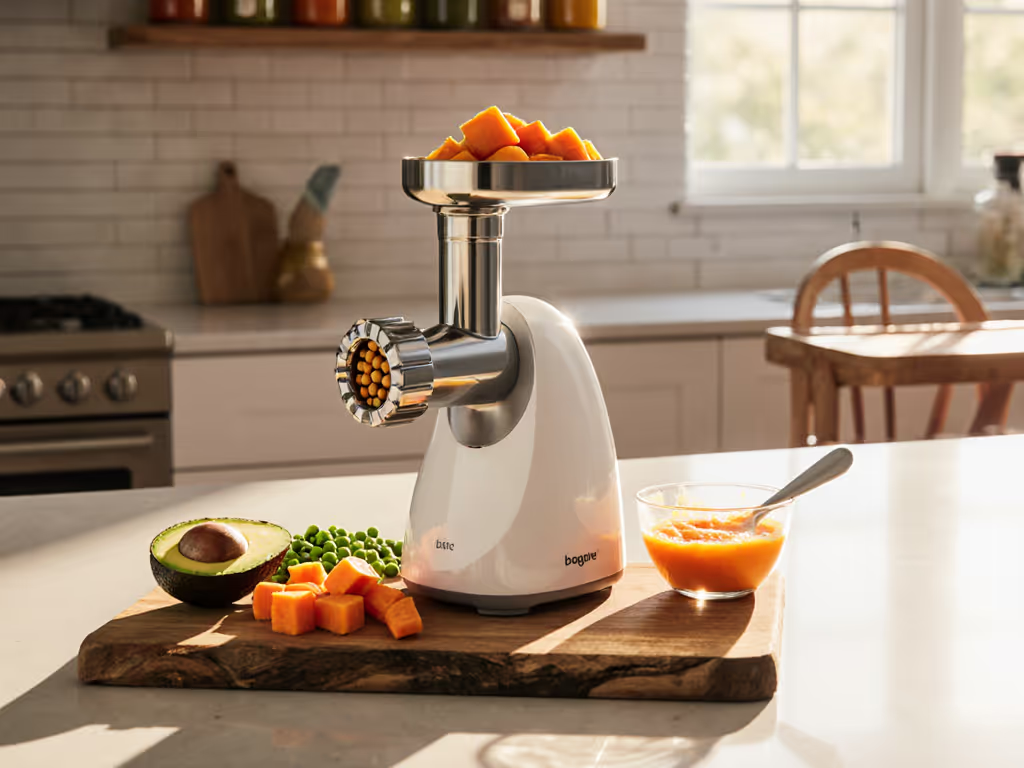
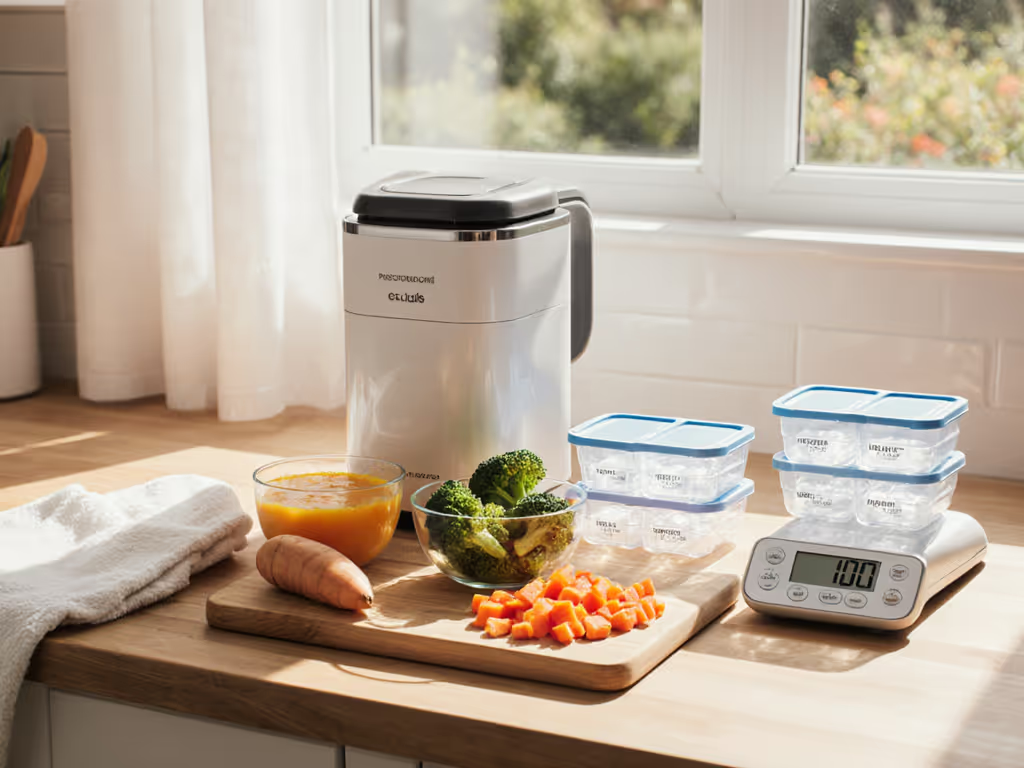
Creating an efficient baby food preparation station will transform your meal prep workflow and help you manage multiple batches smoothly. By strategically organizing your workspace, you can minimize cleanup time and maximize food safety.
Start by selecting a dedicated kitchen counter or table space exclusively for baby food preparation. This area should be near your cooking appliances but separate from raw meat preparation zones to prevent potential cross-contamination. Clear the space completely and sanitize all surfaces using food-safe disinfectant wipes or a solution of mild bleach and water.
Gather all essential equipment before beginning. You will need clean cutting boards (preferably separate ones for produce and potential allergens), sharp knives, sterilized storage containers, measuring tools, blending equipment, and cooling racks. Arrange these items within easy reach to create an efficient workflow.
Here's a summary of essential equipment for an efficient multi-batch prep station:
| Equipment | Purpose | Organization Tip |
|---|---|---|
| Cutting boards | Chop produce & prepare food | Use color-coded for allergens |
| Sharp knives | Efficient & safe food cutting | Keep within reach |
| Storage containers | Store purees & ingredients | Sterilize before use |
| Measuring tools | Accurate ingredient portions | Place near prep area |
| Blending equipment | Create smooth purees | Sanitize after each batch |
| Cooling racks | Cool cooked foods rapidly | Place next to main workspace |
Pro tip: Place a large sheet of parchment paper or a washable silicone mat on your workspace. This creates an easy-to-clean surface and helps contain mess during preparation. By establishing a systematic prep station, you are setting yourself up for stress-free and safe baby food production.
With your station ready, you are prepared to start transforming fresh ingredients into nutritious meals for your little ones. The next step involves selecting and preparing your ingredients with precision and care.
Preparing baby food requires careful ingredient selection and meticulous preparation to ensure optimal nutrition and safety. Your goal is to transform fresh whole foods into delicious, nutrient-dense meals that support your baby's growth and development.
Begin by selecting fresh, high-quality produce and proteins. Choose organic ingredients when possible to minimize potential pesticide exposure. Wash all fruits and vegetables thoroughly under cool running water. For produce with thick skins like squash or sweet potatoes, scrub gently with a clean produce brush to remove any surface dirt or potential contaminants.
Meat and protein sources demand extra attention. Always purchase fresh proteins from reputable sources and cook them completely. Use a food thermometer to verify internal temperatures: chicken and ground meats should reach 165°F, while other meats should hit 145°F. Remove all visible fat, skin, bones and gristle before pureeing to prevent choking hazards.
Critical safety tip: Never use ingredients past their expiration date. When in doubt about an ingredient's freshness or quality, discard it immediately. Your baby's health depends on using only the safest, cleanest ingredients.
With your ingredients carefully selected and prepared, you are now ready to transform them into smooth, nutritious purees that will delight your little one.
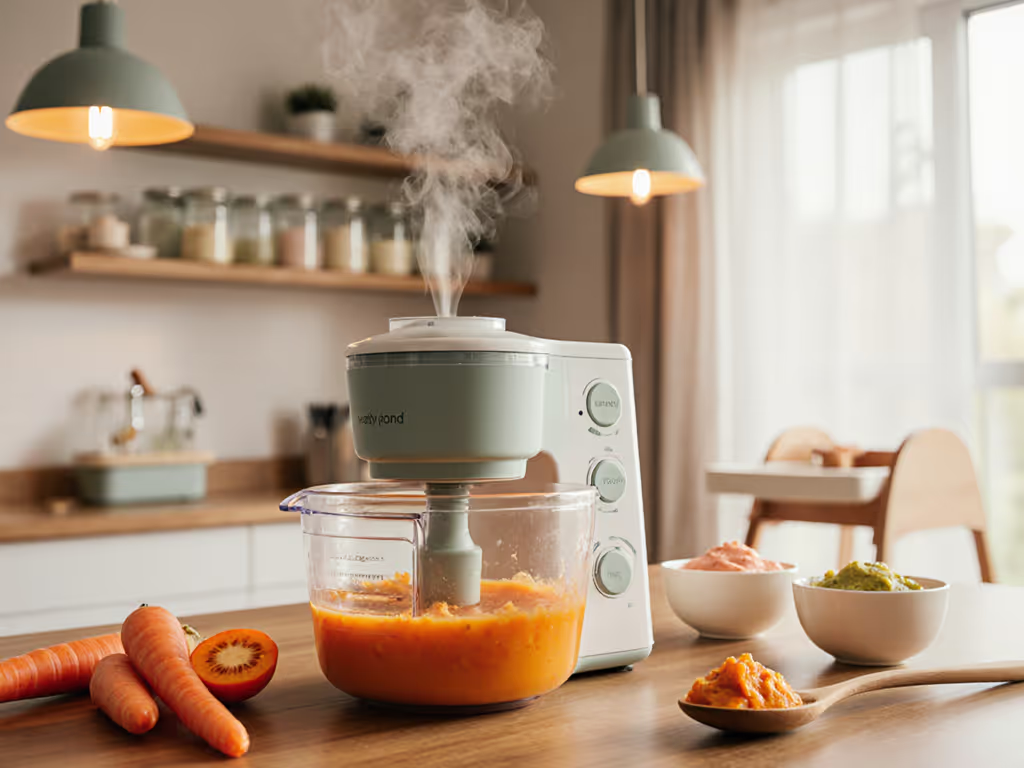
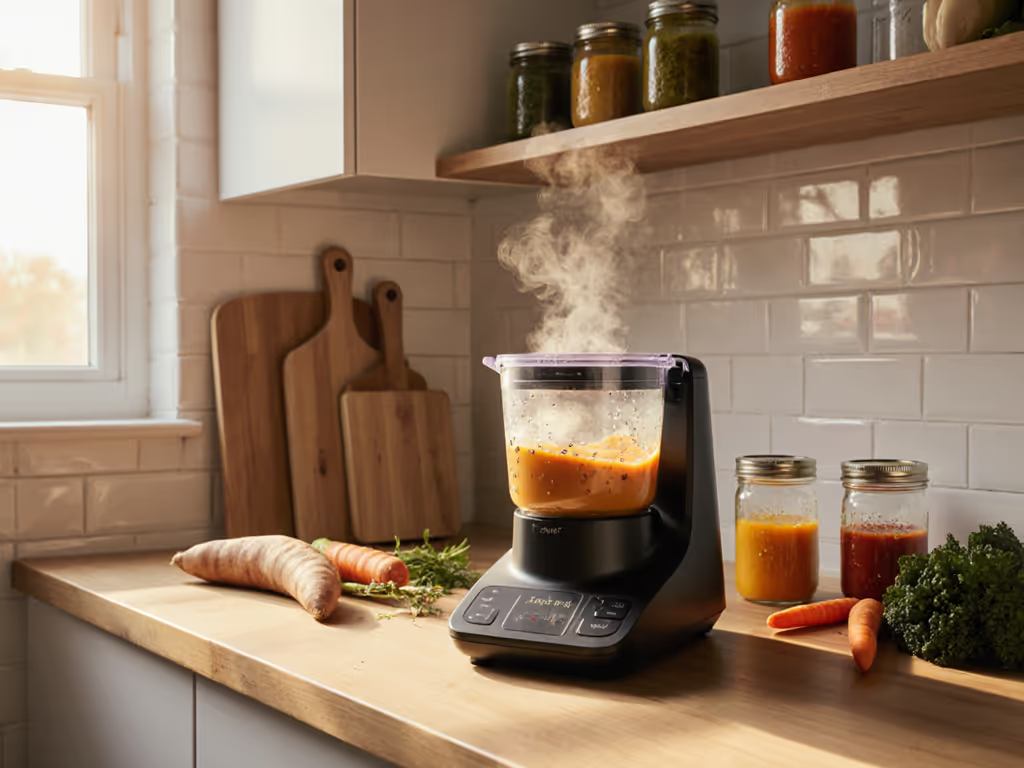
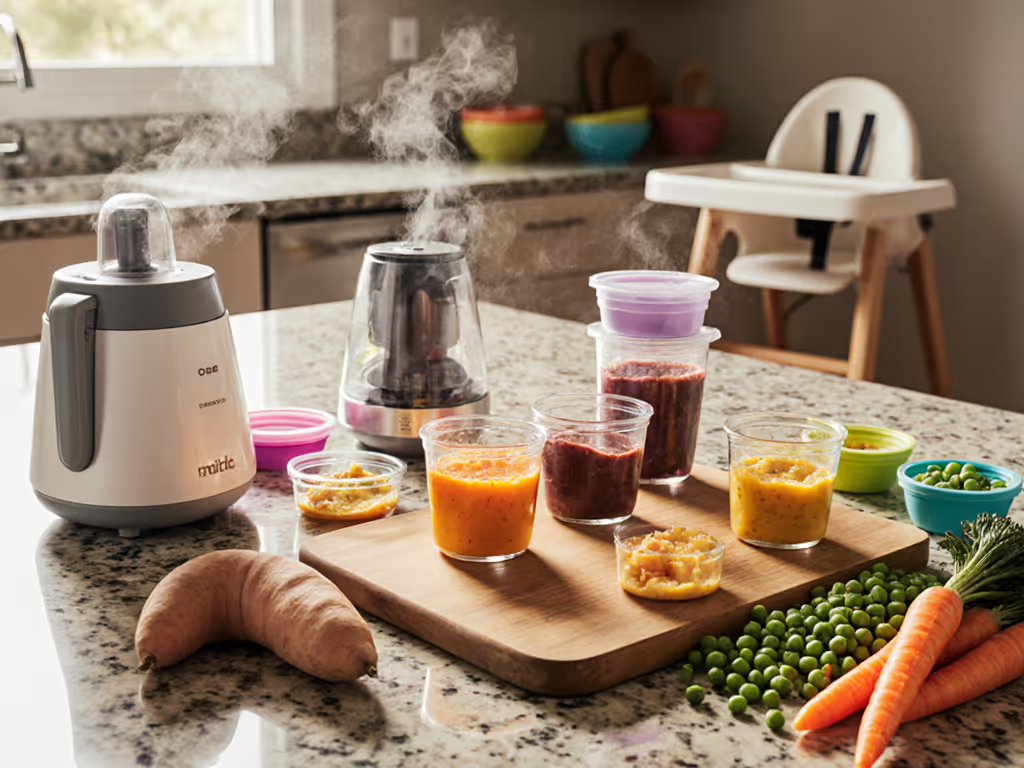
Transforming your carefully prepared ingredients into smooth baby food requires the right equipment and technique. A high-quality baby food maker can dramatically simplify your meal preparation process while ensuring consistent texture and nutritional preservation.
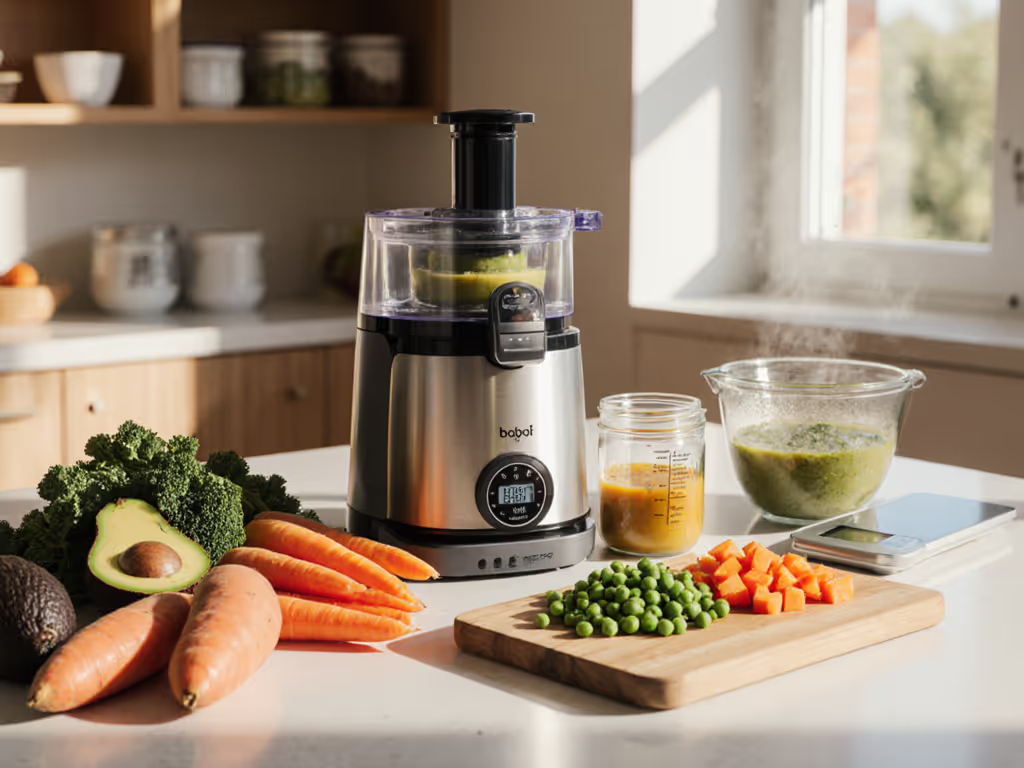
Choose a baby food maker with multiple functions that allows steaming and pureeing in the same container. This reduces cleanup and minimizes noise during naptime or early morning prep. Look for models with one-touch controls and dishwasher-safe components to streamline your workflow. Position the machine on a stable surface away from edges to prevent accidental tipping.
When processing foods, work in small batches to maintain optimal texture. Start by adding cooked ingredients to the blending chamber. Use the pulse function initially to break down larger pieces before switching to a continuous puree mode. Add small amounts of cooking liquid or breast milk to achieve desired consistency. Most baby food makers recommend filling no more than two-thirds of the container to prevent overflow.
Pro tip: Consider investing in extra processing containers if you are preparing multiple types of foods simultaneously. This allows you to switch between ingredients quickly without extensive cleaning between batches.
With your baby food maker mastered, you are now ready to store and organize your freshly prepared nutritious meals for your little one.
Successfully storing baby food for multiple children requires strategic planning and precise portioning. Your goal is to create a flexible meal system that saves time and maintains food safety while accommodating different age groups and nutritional needs.
Start by investing in high-quality freezer-safe storage containers with tight-fitting lids. Silicone ice cube trays work perfectly for creating small individual portions that can be easily defrosted and mixed. Each cube typically represents approximately one ounce of food perfect for tracking individual servings and managing portion sizes for different age ranges.
Label each container or bag with the food type and preparation date. Use waterproof markers or printed labels to ensure clear identification. Organize your freezer storage by food type and date prepared creating a systematic approach that allows quick access and prevents food waste. Rotate older batches to the front to ensure you use them first.
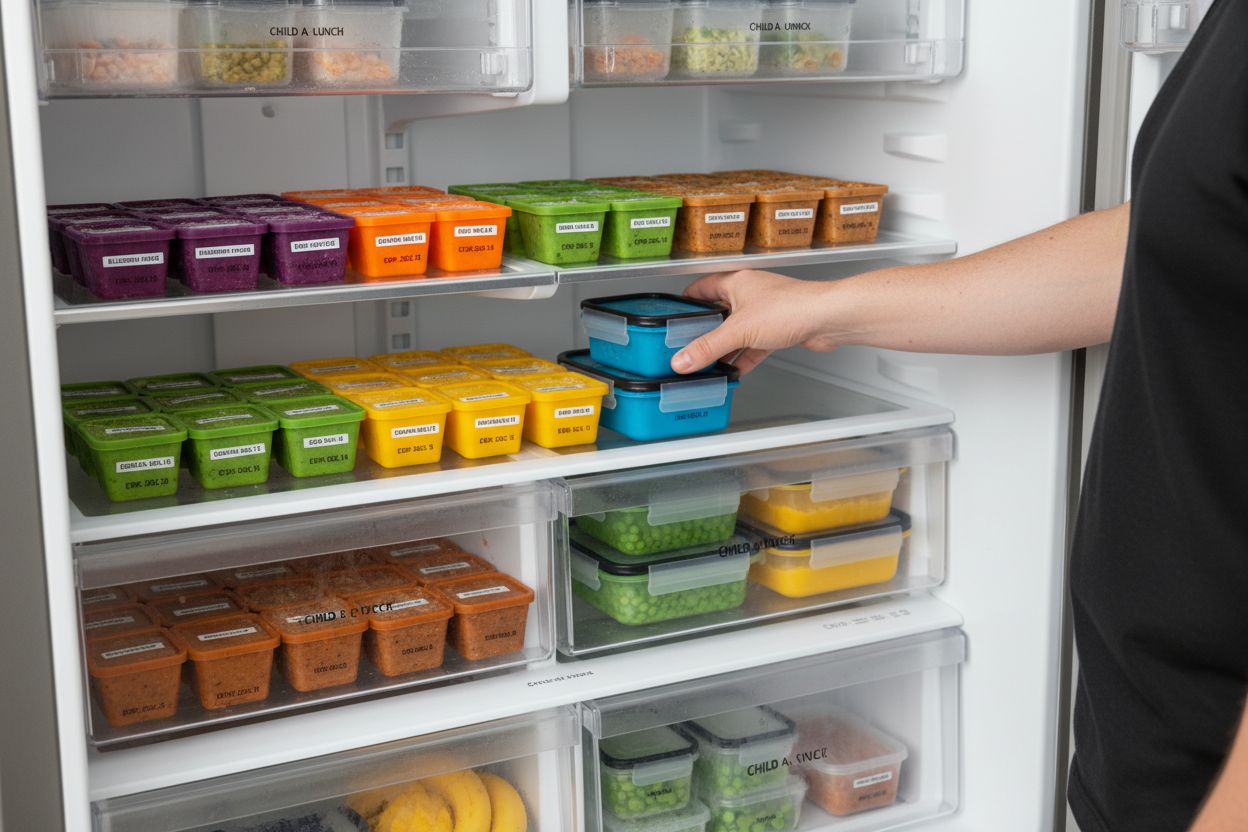
Pro tip: Consider color-coding containers or using different storage systems for each child to track individual dietary needs and preferences. This approach helps manage multiple children with varying nutritional requirements while maintaining organization and efficiency.
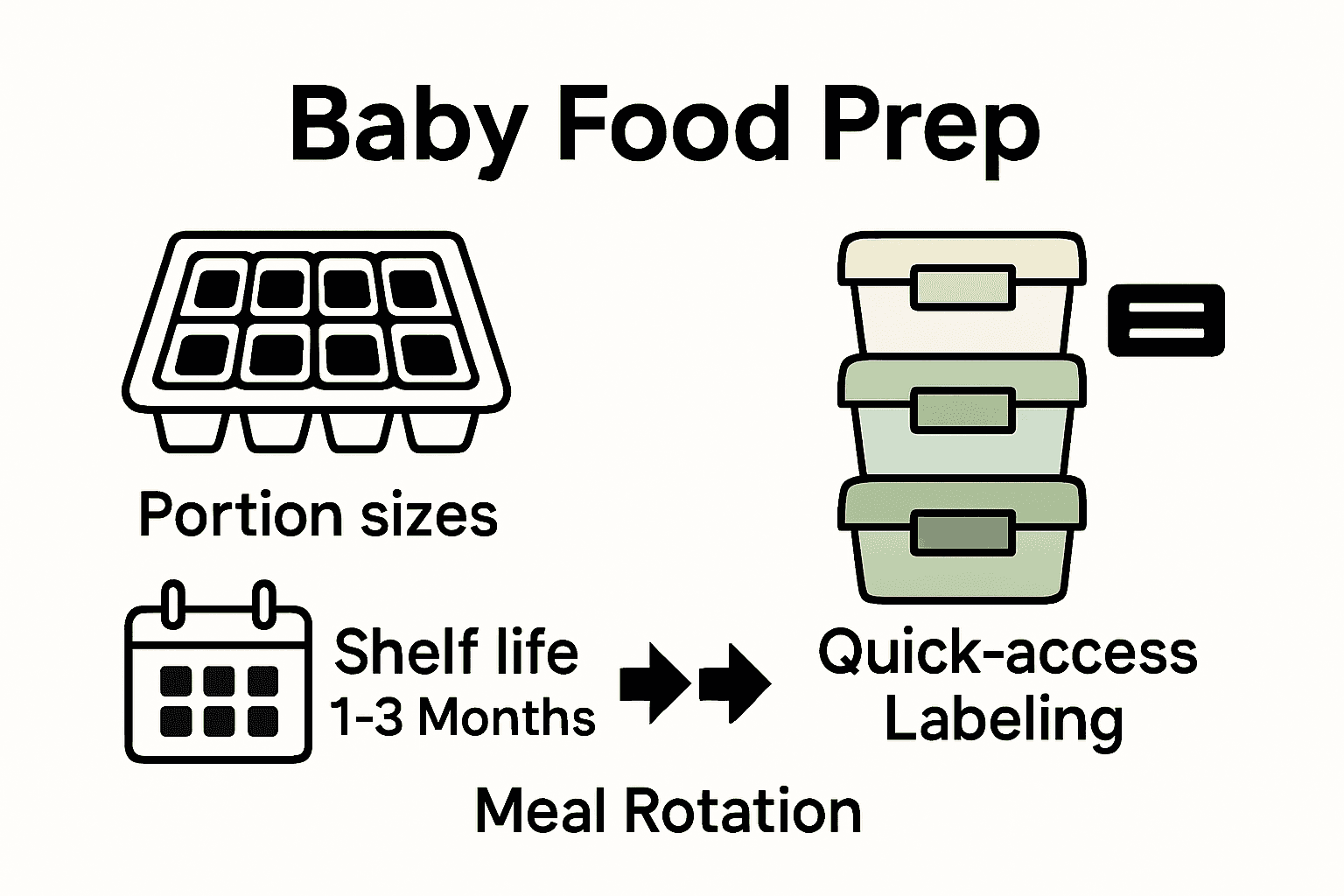
With your meals portioned and stored strategically, you have created a robust system for feeding multiple children with minimal daily preparation time.
Maintaining a safe and nutritious meal rotation for multiple children requires consistent monitoring of food quality and adapting to changing nutritional needs. Your goal is to create a dynamic system that ensures every meal meets safety standards while supporting each child's unique growth requirements.
Establish a weekly review process for your stored baby food. Check each container for signs of freezer burn, discoloration or unusual odors. For frozen meals, note the preparation date and discard any items beyond the three-month storage window. Homemade produce typically remains safe for 24 to 48 hours in the refrigerator, while meat-based purees should be used within 24 hours to prevent bacterial growth.

Track each child's dietary progression and adjust meal plans accordingly. Younger babies require smoother textures and simpler ingredient combinations, while older infants can handle more complex purees and increased texture variety. Create a tracking system that documents each child's current nutritional stage, food allergies and emerging preferences.
Pro tip: Develop a color-coded or numbered tracking system that helps you quickly identify which meals are appropriate for each child. This prevents confusion and ensures that each baby receives age-appropriate nutrition.
By implementing a systematic approach to meal freshness and nutritional tracking, you transform baby food preparation from a chore into a precise, personalized feeding strategy.
Preparing meals for multiple children can quickly become overwhelming as you juggle ingredient safety, meal portioning, and quiet, efficient food processing. This guide highlights the challenges parents face when managing different textures and storage methods while keeping baby food fresh and nutritious. If you are struggling to find the right baby food maker that balances ease of use, noise level, and cleaning convenience you are not alone.
At Parent Kitchen Lab we specialize in helping parents like you unlock hassle-free meal prep solutions through expert reviews and practical buying guides. Discover our detailed evaluations of top baby food makers designed specifically to simplify multi-batch prep and reduce your cleanup time. Take control of your baby’s nutrition with quieter, faster, and safer appliances chosen just for your busy family.
Ready to transform your kitchen routine and make every feeding smoother and smarter Visit Parent Kitchen Lab now and find the perfect baby food maker tailored to your multi-child household needs.
Creating an efficient multi-batch baby food prep station involves designating a dedicated workspace with sanitized surfaces and organized equipment. Gather clean cutting boards, sharp knives, storage containers, and blending equipment to streamline your meal prep workflow.
Select fresh, high-quality produce and proteins, preferably organic, to ensure the best nutrition for your baby. Wash all fruits and vegetables thoroughly and cook meats to specified temperatures to prevent any choking hazards and ensure food safety.
To keep baby food fresh and safe, label containers with food type and preparation date, and check them weekly for signs of spoilage. Discard items that exceed three months in the freezer or show signs of freezer burn or unusual odors.
When preparing baby food for multiple children, use silicone ice cube trays to create one-ounce portions. This allows for easy defrosting and mixing, facilitating meal tracking and accommodating different age groups efficiently.
Invest in freezer-safe storage containers with tight-fitting lids and organize the freezer by food type and preparation date. Use color-coded containers or labels to quickly identify which meals belong to each child, ensuring you meet their individual dietary needs.
If you find any containers with discoloration, strange odors, or freezer burn, discard them immediately. Regularly inspect your stored meals on a weekly basis to maintain food safety and adjust your meal plans as needed.