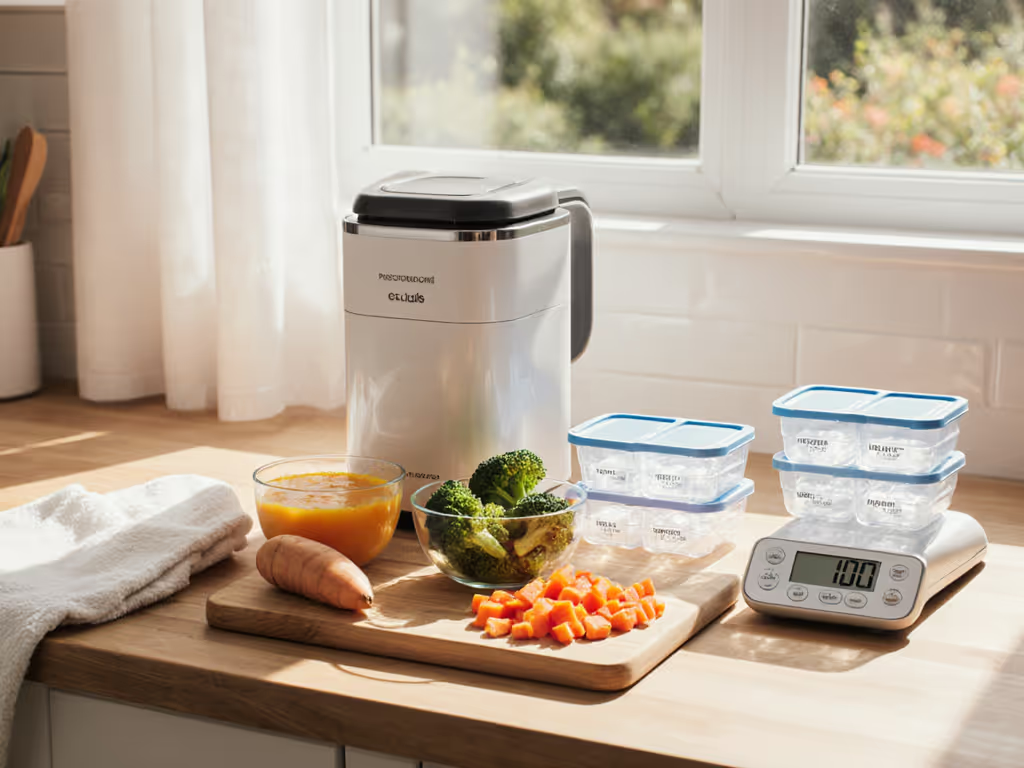
Pediatrician Recommended Baby Food Prep: Step-by-Step Guide
12th Nov•10 min read
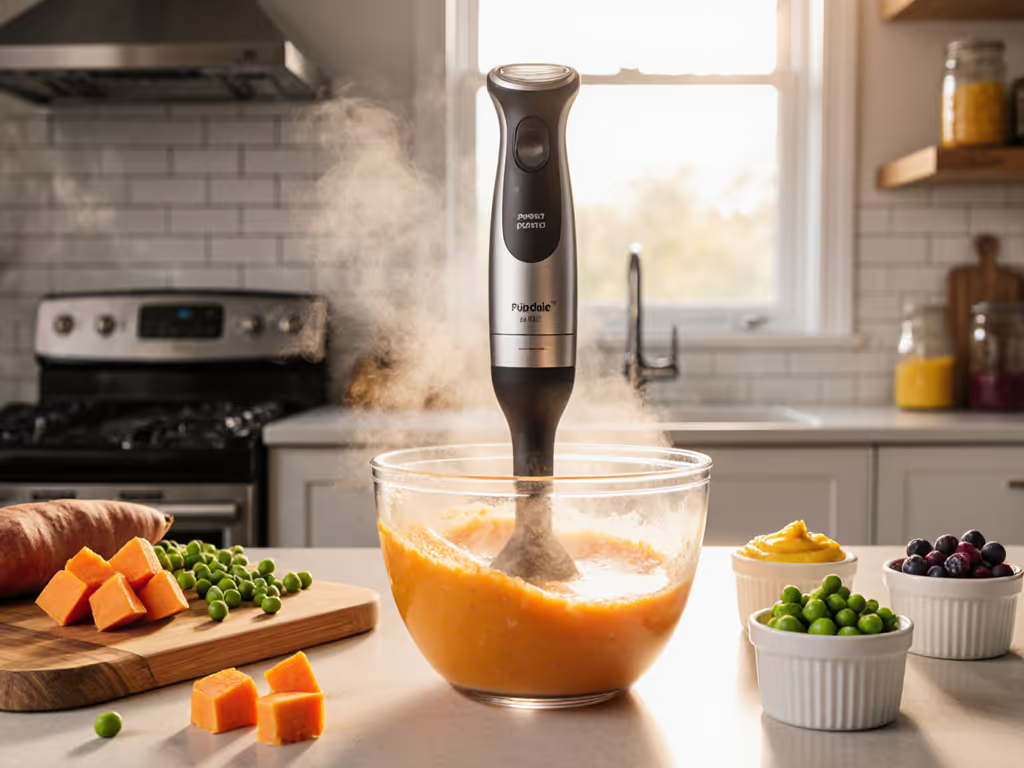
Most babies start their journey with solid foods through purees, a method backed by experts for its safety and nutrition. Nearly 6 out of 10 parents choose homemade purees as their baby's first bites, hoping to control ingredients and texture. Learning what pureeing really means is crucial, as it lays the foundation for safe eating and healthy growth. This guide brings clarity and confidence to parents who want the best start for their children.
| Point | Details |
|---|---|
| Pureeing Importance | Pureeing transforms solid foods into smooth, digestible textures suitable for infants starting on solids, ensuring safety and nutritional value. |
| Texture Stages | Progress through three key stages: smooth purees for 4-6 months, slightly textured purees for 6-8 months, and chunky purees for 8-10 months to aid developmental eating skills. |
| Homemade Benefits | Preparing homemade purees offers control over ingredients and textures, allowing parents to customize meals for their baby's nutritional needs and preferences. |
| Safety Practices | Maintaining strict hygiene during preparation and storage is crucial to prevent contamination and ensure the safety of homemade baby food. |
Pureeing is a transformative food preparation technique that turns solid ingredients into silky smooth textures perfect for babies transitioning from liquid to solid diets. At its core, pureeing involves mechanically breaking down foods like fruits, vegetables, and proteins into a consistent, easily digestible consistency that infants can safely consume.
The process goes beyond simply mashing food. Pureeing requires carefully transforming whole ingredients through blending, pressing, or grinding to create a creamy paste that eliminates potential choking hazards while maintaining essential nutritional value. Unlike adult food preparation, baby food purees demand extra attention to texture, ensuring each bite is uniform, soft, and manageable for developing mouths and digestive systems.
Purees have several defining characteristics that make them ideal for infant nutrition:
When preparing purees, parents typically use specialized baby food makers or standard kitchen blenders to achieve the right consistency. The goal is creating a uniform mixture that can be easily swallowed and digested by babies typically between 4-6 months old who are beginning their solid food journey. Water or breast milk can be added to adjust thickness, making the puree more palatable and easier to consume.
Successful pureeing requires understanding your baby's developmental stage and nutritional needs. While purees provide an excellent introduction to solid foods, they represent just one phase in a child's dietary progression. As babies grow and develop more advanced motor skills, they'll gradually transition from completely smooth purees to more textured foods that encourage chewing and independent eating.
Parents navigating the world of infant nutrition quickly learn that baby food textures are not a one-size-fits-all experience. Instead, purees progress through carefully designed stages that support an infant's developmental milestones and emerging eating skills. Understanding these texture variations is crucial for safe and successful feeding.
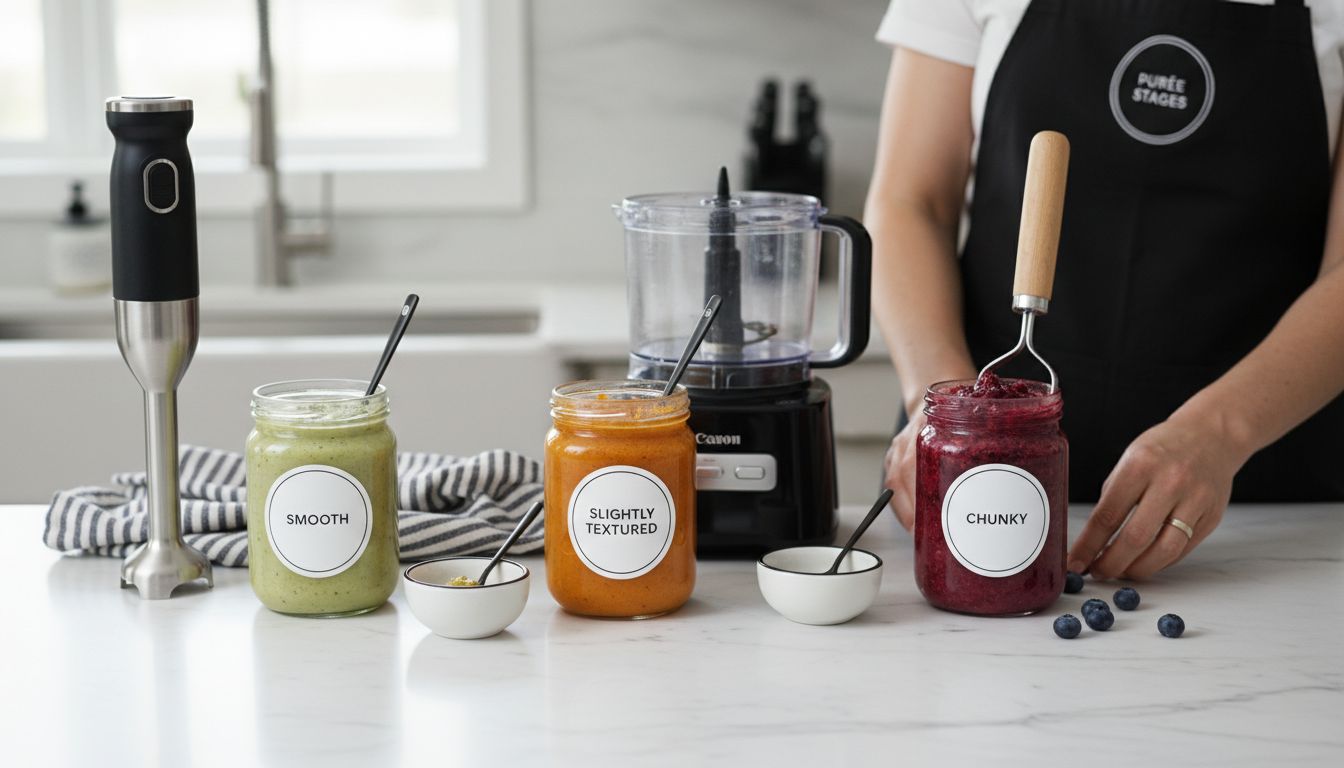
The journey of baby food textures typically begins with smooth purees, which represent the most basic and initial form of solid food introduction. These ultra-smooth mixtures are designed for babies around 4-6 months old, featuring completely blended ingredients with no detectable lumps or chunks. As infants develop oral motor skills and become more comfortable with swallowing, parents can gradually introduce more complex textures.
Baby food texture evolution generally follows three primary stages:
Stage 1: Smooth Purees (4-6 months)
Stage 2: Slightly Textured Purees (6-8 months)
Stage 3: Chunky Purees (8-10 months)
Pediatric nutritionists emphasize that texture progression is not just about food consistency but represents a critical developmental milestone. Each stage challenges babies to develop more sophisticated eating skills, from simple swallowing to more complex chewing and self-feeding techniques. Parents should observe their child's readiness and comfort level, adjusting textures accordingly to ensure a positive and safe eating experience.
While commercial baby food brands offer pre-made options across these texture stages, many parents prefer homemade purees for greater control over ingredients and freshness. Regardless of the source, the key is maintaining a gradual, patient approach that respects each baby's unique developmental journey and individual preferences.
Creating homemade baby purees is an art that combines nutrition, safety, and careful preparation. Pureeing transforms whole foods into infant-friendly meals, requiring precision and attention to detail that goes beyond typical cooking techniques. Understanding the process ensures your baby receives nutritionally rich, safely prepared foods during their critical early eating stages.
The foundation of successful baby food preparation begins with ingredient selection and thorough cleaning. Parents should choose fresh, high-quality produce free from blemishes, pesticides, and potential contaminants. Organic fruits and vegetables are often recommended to minimize exposure to harmful chemicals. Washing produce thoroughly and selecting age-appropriate ingredients forms the crucial first step in creating nutritious purees.
Here's a comprehensive breakdown of the pureeing process:
Ingredient Preparation
Cooking Methods
Blending Technique
Storage and Safety
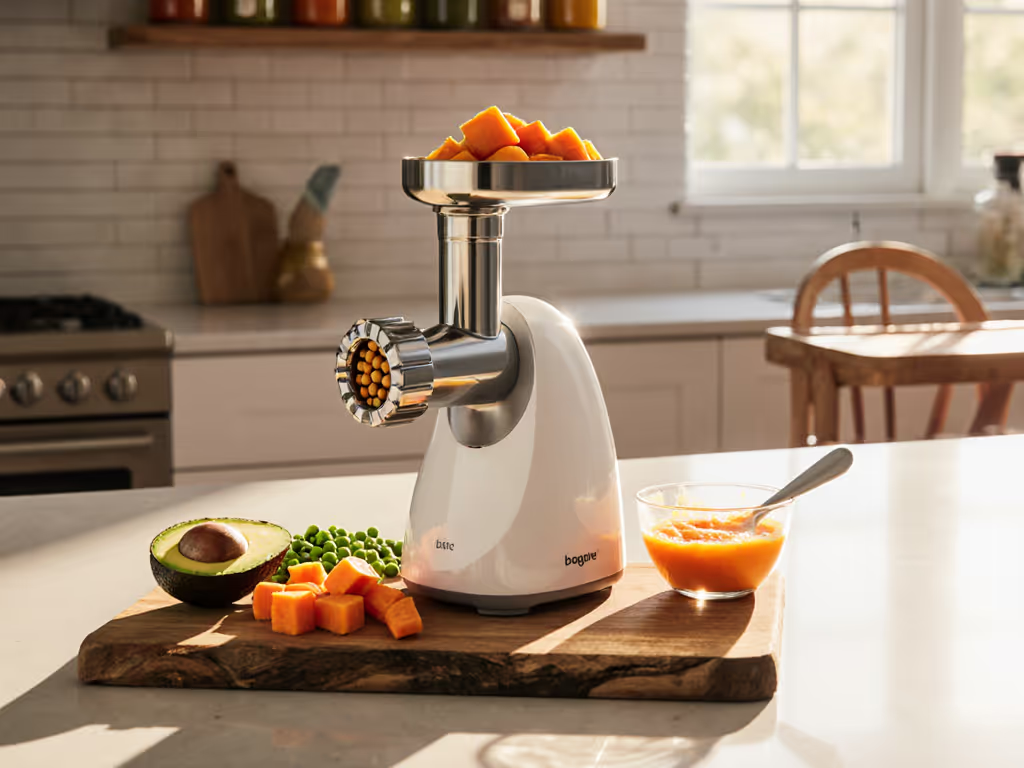
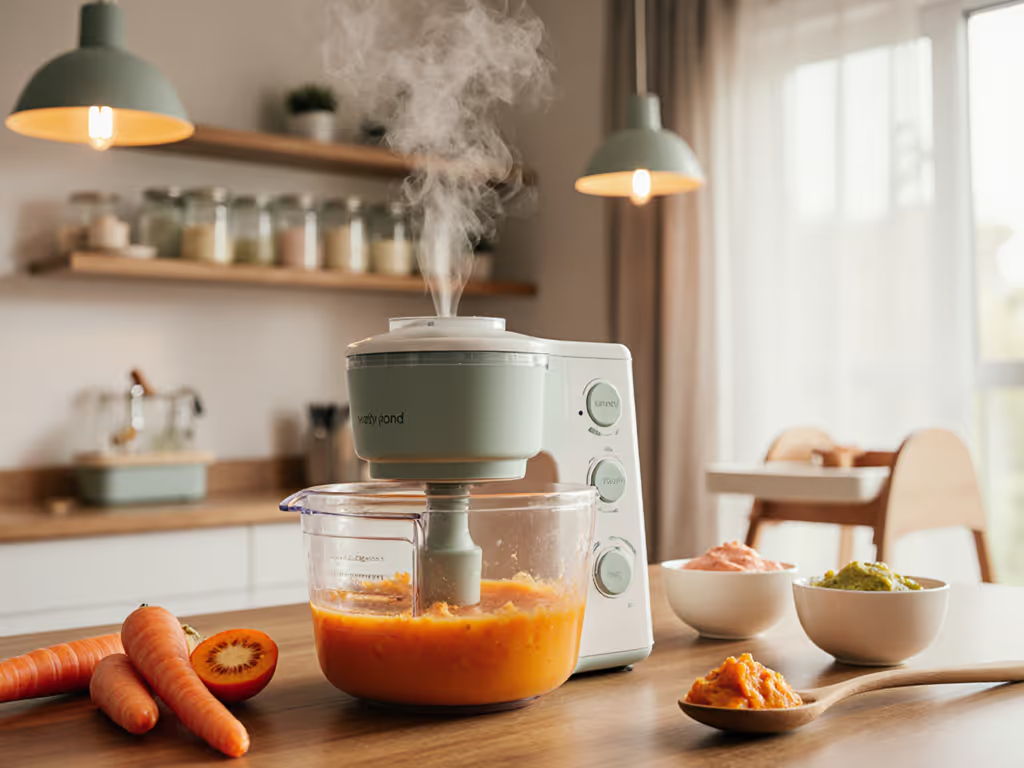
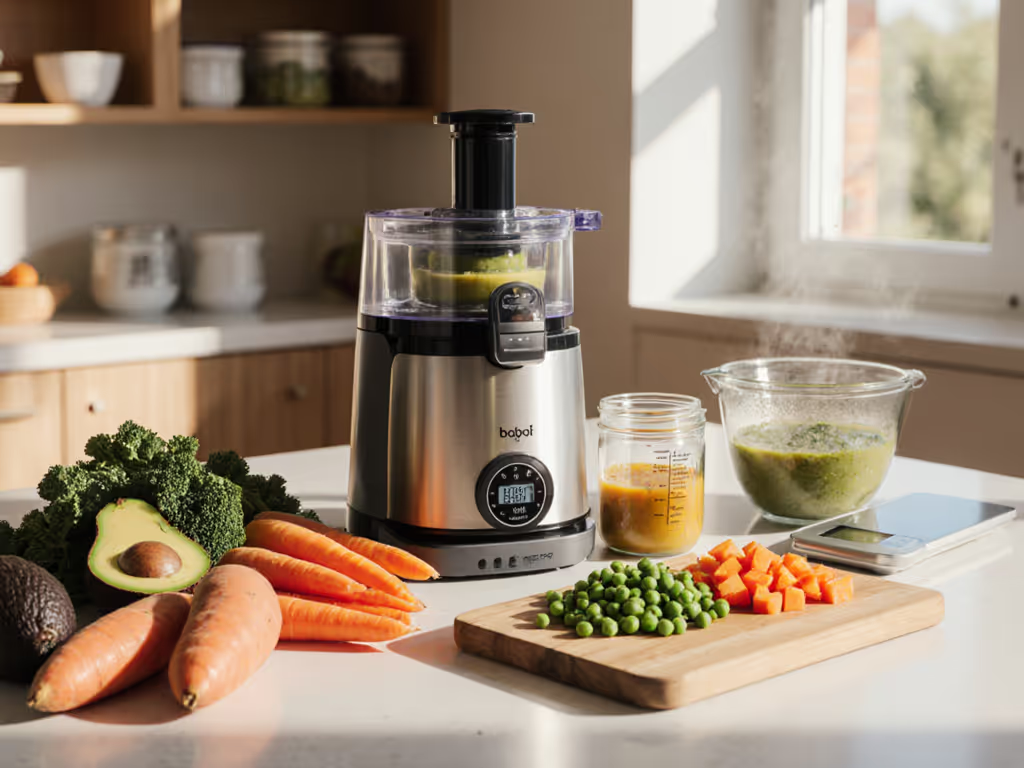
Technology has revolutionized baby food preparation, with specialized baby food makers offering precise blending and temperature control. These devices streamline the pureeing process, providing consistent textures and reducing preparation time. However, traditional kitchen tools like blenders and food processors remain excellent alternatives for parents seeking a more hands-on approach.
The key to successful pureeing lies in patience and continuous adaptation.
As your baby grows, gradually adjust puree textures, introducing more complex consistencies that challenge their developing oral motor skills. Always consult pediatric guidelines and watch for individual readiness signs when introducing new foods and textures.
Home pureeing represents a powerful approach to infant nutrition that empowers parents to take direct control of their baby's dietary journey. Homemade baby food offers unprecedented transparency into exactly what goes into each carefully prepared meal, allowing parents to make intentional nutritional choices that commercial options cannot always guarantee. This hands-on method transforms meal preparation from a routine task into a meaningful act of nurturing.
The most significant advantage of home pureeing lies in its remarkable flexibility and customization potential. Parents can select premium, organic ingredients, avoid unnecessary additives, and create flavor combinations tailored to their baby's emerging palate. Unlike pre-packaged alternatives, homemade purees allow for immediate adaptation based on the child's developing taste preferences and potential allergic sensitivities.
Home pureeing offers a complex landscape of benefits and potential challenges:
Benefits:
Challenges:
While home pureeing demands more parental investment compared to store-bought alternatives, many families find the benefits far outweigh the challenges. The process becomes easier with practice, and many parents discover unexpected joy in crafting personalized meals for their growing children. Strategic batch cooking, proper storage techniques, and gradual skill development can transform initial challenges into manageable, even enjoyable, routines.
Ultimately, successful home pureeing is about balance. Integrating homemade purees with occasional commercial options provides nutritional diversity while preventing parental burnout. By remaining flexible, patient, and attentive to their baby's unique needs, parents can create a positive, nurturing feeding experience that supports healthy developmental milestones.
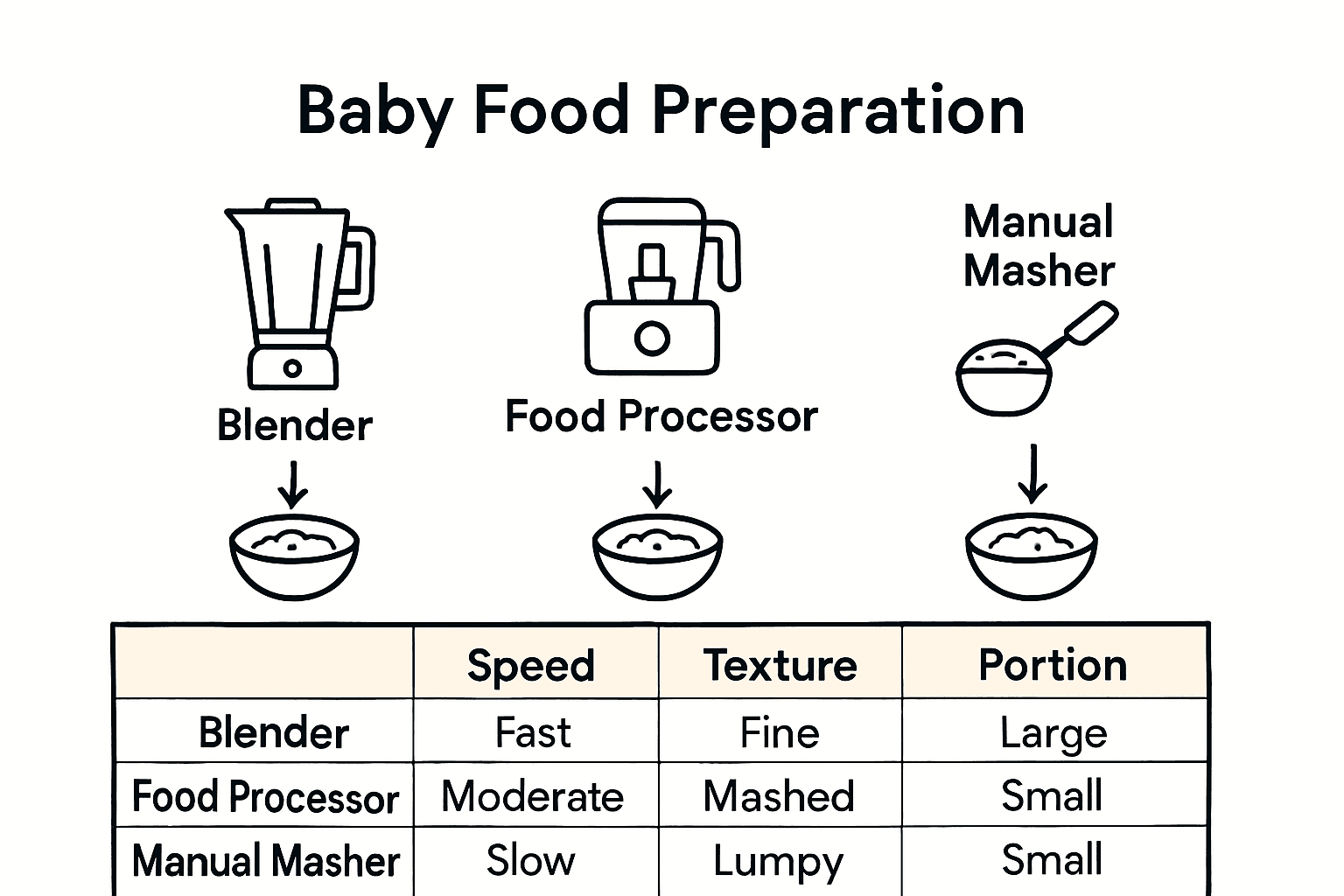
Baby food preparation tools are not created equal, each offering unique advantages for transforming ingredients into infant-friendly meals. Understanding the nuanced capabilities of blenders, food processors, and manual mashers can help parents select the most appropriate tool for their specific baby food preparation needs. The right tool can mean the difference between a smooth, consistent puree and a lumpy, unappetizing mixture.
Each tool brings distinctive strengths to the kitchen counter. Blenders excel at creating ultra-smooth textures ideal for younger babies, while food processors offer more versatile chopping and mixing capabilities. Manual mashers provide a hands-on approach that allows for more textural control, making them perfect for introducing slightly more complex food consistencies as babies develop their eating skills.
A comprehensive breakdown of baby food preparation tools:
Here's a comparison of common baby food preparation tools:
| Feature | Blender | Food Processor | Manual Masher |
|---|---|---|---|
| Best Texture | Ultra-smooth | Variety (smooth to chunky) | Lumpy, soft |
| Age Suitability | 4-6 months<br>(Stage 1) | 6-10 months<br>(All stages) | 8-10 months<br>(Stage 3) |
| Portion Size | Small batches | Large batches | Single servings |
| Preparation Speed | Very fast | Fast | Manual effort |
| Use with Ingredients | Fruits<br>Vegetables | Multi-ingredient mixtures | Soft produce |
| Clean-up | Moderate | More parts to clean | Easiest |
| Portability | Low | Low | High |
Blenders:
Food Processors:
Manual Mashers:
The selection process goes beyond mere functionality. Parents must consider factors like cleanup ease, storage requirements, and their baby's specific developmental stage. Some families invest in multiple tools to accommodate their evolving nutritional needs, while others prefer a single multi-purpose appliance that can adapt as their child grows.
Ultimately, successful baby food preparation is less about having the most expensive equipment and more about understanding your child's unique nutritional journey. Experimenting with different tools, paying attention to your baby's reactions, and remaining flexible will help you navigate the exciting world of homemade baby nutrition.
Baby food safety represents far more than a simple checklist - it's a critical responsibility that demands unwavering attention and meticulous care. Parents preparing homemade purees must transform their kitchen into a sterile environment where every utensil, surface, and ingredient is treated with the highest standard of hygiene. The stakes are incredibly high, as infants have delicate immune systems that cannot tolerate even minimal contamination.
Preparing safe baby food requires a comprehensive approach that encompasses preparation, storage, and handling techniques. Contamination prevention starts long before the first ingredient touches a blending surface. This means thoroughly washing hands, using clean and sanitized equipment, selecting fresh ingredients, and understanding precise temperature controls that eliminate potential bacterial risks. Each step in the food preparation process serves as a critical checkpoint for maintaining your baby's health and nutrition.
Key safety considerations for baby food preparation:
Preparation Safety:
Storage Guidelines:
Reheating Precautions:
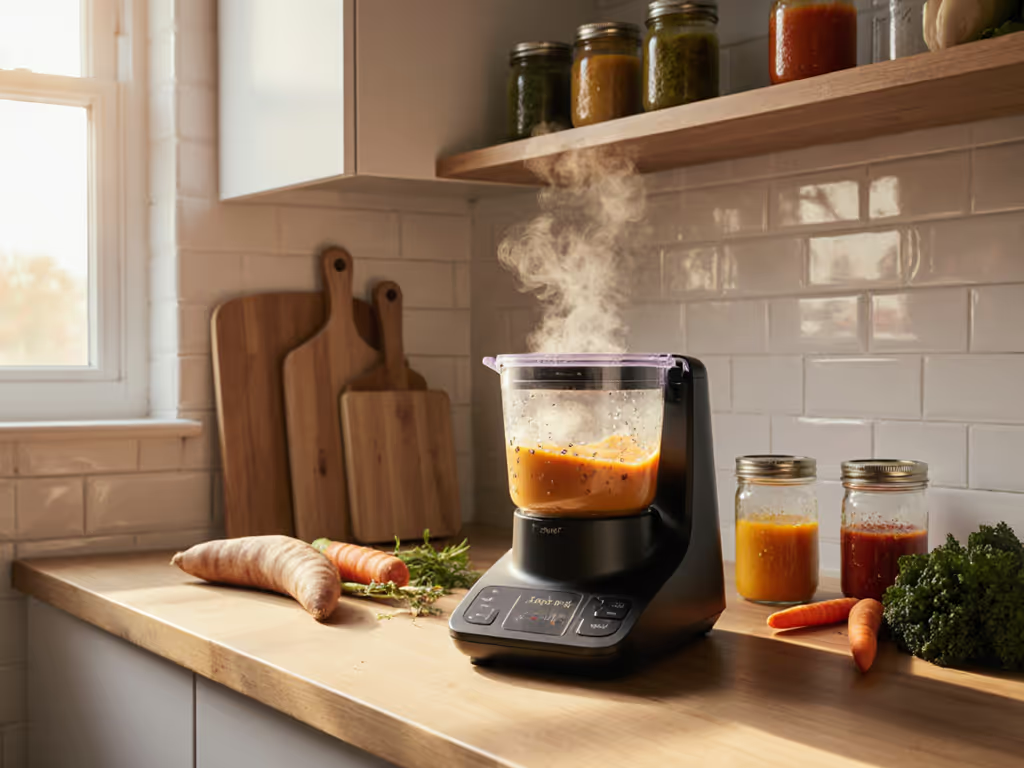
Technology and modern kitchen tools have significantly enhanced our ability to prepare safe baby foods. Advanced blenders with self-cleaning functions, digital temperature monitors, and specialized baby food makers provide additional layers of protection. However, no technological solution can replace careful human attention and understanding of fundamental food safety principles.
The journey of introducing solid foods to your baby is filled with excitement and potential challenges. By implementing rigorous safety protocols, parents can transform meal preparation from a potential risk into a nurturing, confidence-building experience. Remember, consistent practices and an abundance of caution are your best allies in providing safe, nutritious meals for your growing child.
Pureeing baby food can be rewarding but also challenging when balancing smooth texture, safety, and storage. If you found yourself wondering how to achieve those perfect, consistent purees without spending hours or making a mess, you are not alone. The need for quiet, efficient, and easy-to-clean appliances is critical during busy moments like naptime or when your baby needs a quick, nutritious meal. Understanding terms like "texture progression" and the importance of equipment that helps preserve nutrients while offering simple blending options can transform your feeding routine.
At Parent Kitchen Lab, we specialize in helping parents find the best baby food makers that cater exactly to these challenges. Discover detailed reviews and practical buying guides focusing on noise levels, one-handed use, and safe materials so you can prepare healthy purees with less stress. Ready to enjoy smoother meal prep and support your baby’s developmental milestones? Start your search now with our expert insights at Parent Kitchen Lab and take the first step toward effortless, homemade baby nutrition today.
The process of pureeing baby food involves washing and preparing fresh ingredients, cooking them to a soft consistency, and then using a blender or food processor to create a smooth or textured mixture suitable for infants.
Baby food purees generally progress through three stages: Stage 1 is smooth purees for 4-6 months, Stage 2 is slightly textured purees for 6-8 months, and Stage 3 is chunky purees for 8-10 months that require more chewing.
To ensure safety, wash hands and all cooking surfaces, use fresh ingredients, store purees in clean, sterilized containers, and refrigerate or freeze them promptly. Always reheat thoroughly before feeding.
Blenders are ideal for ultra-smooth purees, food processors offer versatility in texture control, and manual mashers are great for creating lumpy textures. Each tool has unique strengths depending on your baby's developmental stage.