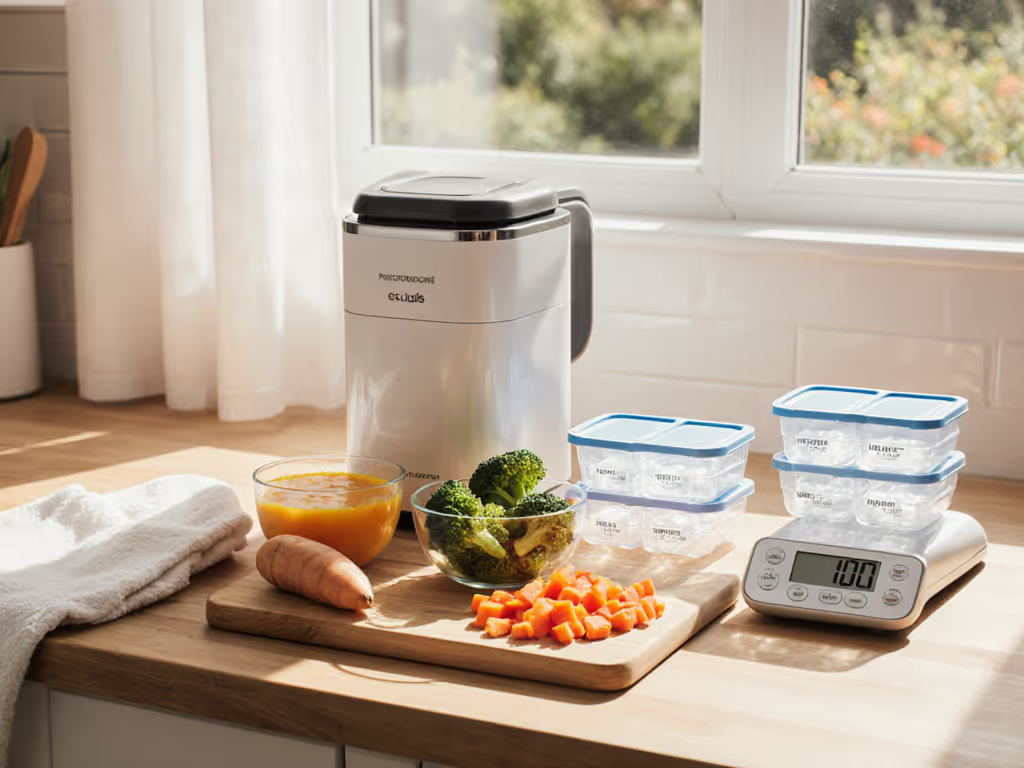
Pediatrician Recommended Baby Food Prep: Step-by-Step Guide
12th Nov•10 min read
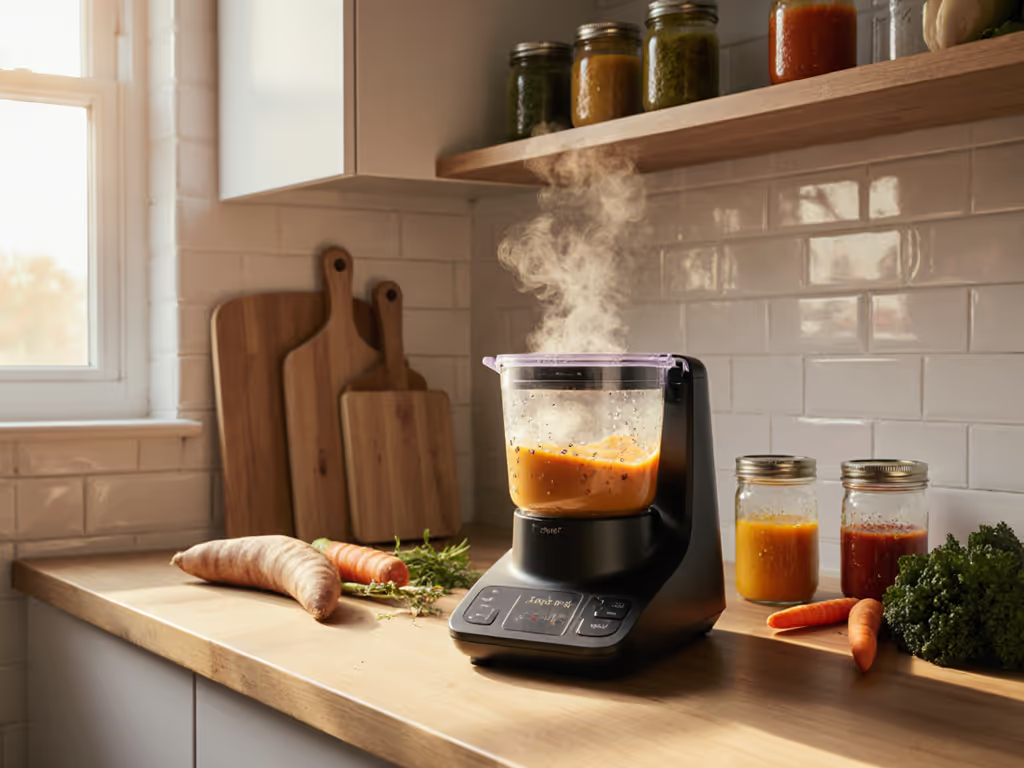
Over 80 percent of new parents say they want more control over what goes into their baby's meals. When supermarket shelves are packed with jars full of unpronounceable ingredients, the idea of making fresh, homemade food for your infant feels both reassuring and intimidating. Baby food makers promise to take the guesswork and hassle out of the process, giving families an easier way to serve pure, safe nutrition from their own kitchens.
| Point | Details |
|---|---|
| Convenience of Baby Food Makers | These appliances simplify meal preparation by combining steaming, blending, and storage into one device, allowing parents to create fresh baby food with minimal effort. |
| Types of Baby Food Makers | Three main categories exist: All-in-One Steamer Blenders, Standalone Processors, and Multifunctional Kitchen Systems, each catering to different cooking preferences. |
| Safety Features | Essential features include non-toxic materials, auto shut-off mechanisms, and precise temperature controls to ensure safe food preparation for infants. |
| Cost-Effectiveness | Homemade baby food typically costs significantly less per serving than store-bought options, providing substantial long-term savings for families. |
Baby food makers are specialized kitchen appliances designed to simplify and streamline the process of preparing fresh, nutritious meals for infants. These compact devices transform whole ingredients into perfectly portioned, age-appropriate meals with minimal effort from parents.
At their core, baby food makers combine multiple functions into a single, convenient unit.
Most models include three primary stages of food preparation:
The fundamental technology behind these appliances involves carefully controlled heating and processing mechanisms. Professional models often feature precise temperature controls that ensure ingredients are cooked thoroughly without losing essential nutrients. By steaming ingredients first, baby food makers can soften even tough vegetables and meats, making them easier to blend into smooth textures suitable for infant consumption.
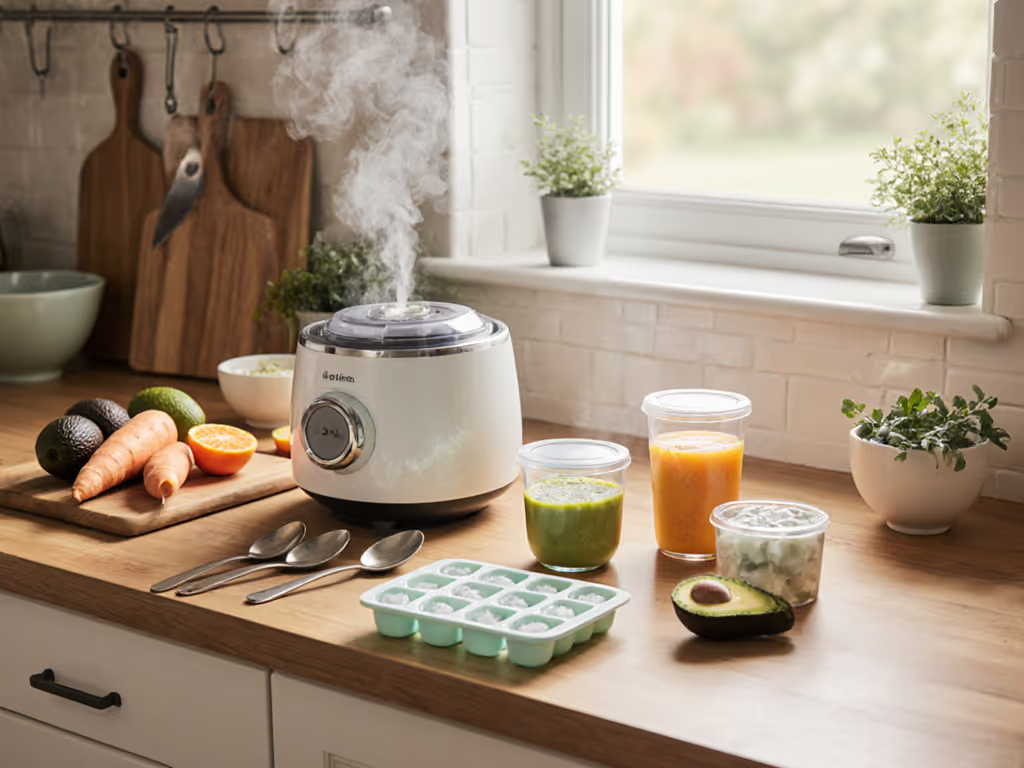
Unlike traditional kitchen methods that require multiple pots, cutting boards, and appliances, baby food makers consolidate the entire food preparation process. Parents can literally add raw ingredients, press a button, and have fresh baby food ready in minutes. This efficiency not only saves time but also provides complete control over ingredient selection, allowing families to create meals free from preservatives, unnecessary additives, and with guaranteed freshness.
"Baby food makers allow parents to transform whole foods into nutritionally dense meals with unprecedented convenience and control." - Pediatric Nutrition Experts
While each baby food maker might have slight design variations, the fundamental goal remains consistent: simplifying homemade baby food preparation while maintaining the highest standards of nutritional quality and safety.
Baby food makers come in several distinct categories, each designed to meet different parental needs and kitchen preferences. Understanding these variations helps parents select the most suitable appliance for their specific feeding and preparation requirements.
The primary types of baby food makers can be classified into three main categories:
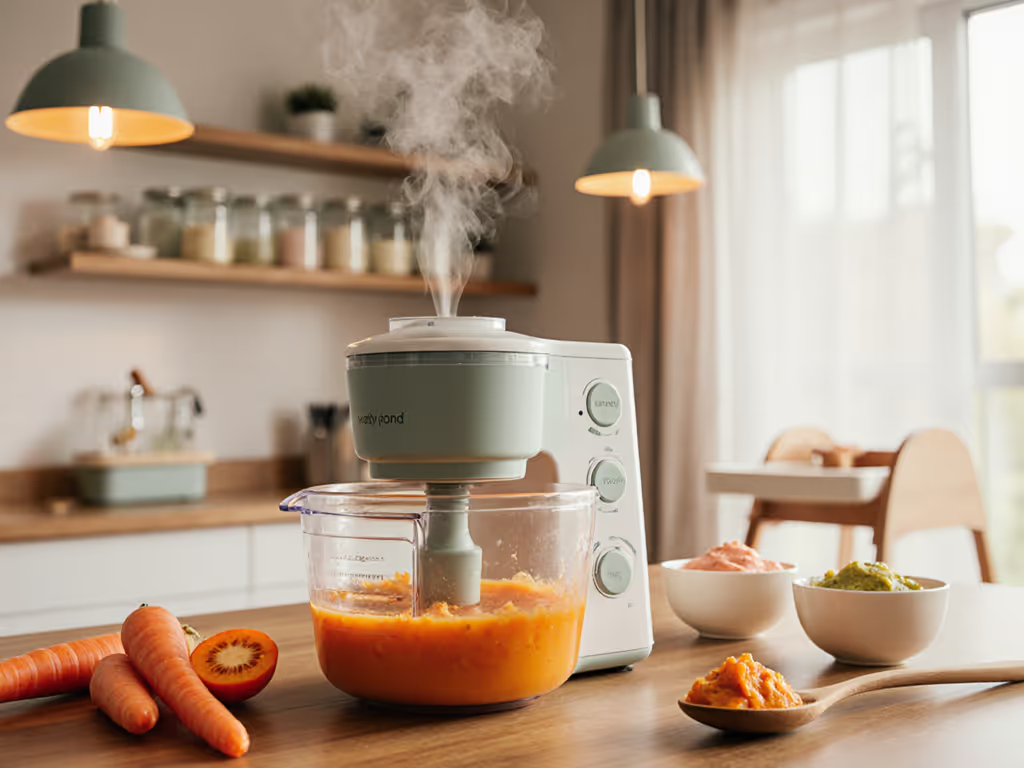
All-in-One Steamer Blenders represent the most popular and convenient option for most parents. These comprehensive units streamline the entire food preparation process by cooking ingredients and immediately transforming them into smooth purees. Typical models feature one-touch operation, allowing parents to steam vegetables, fruits, and meats before seamlessly blending them into infant-appropriate consistencies.
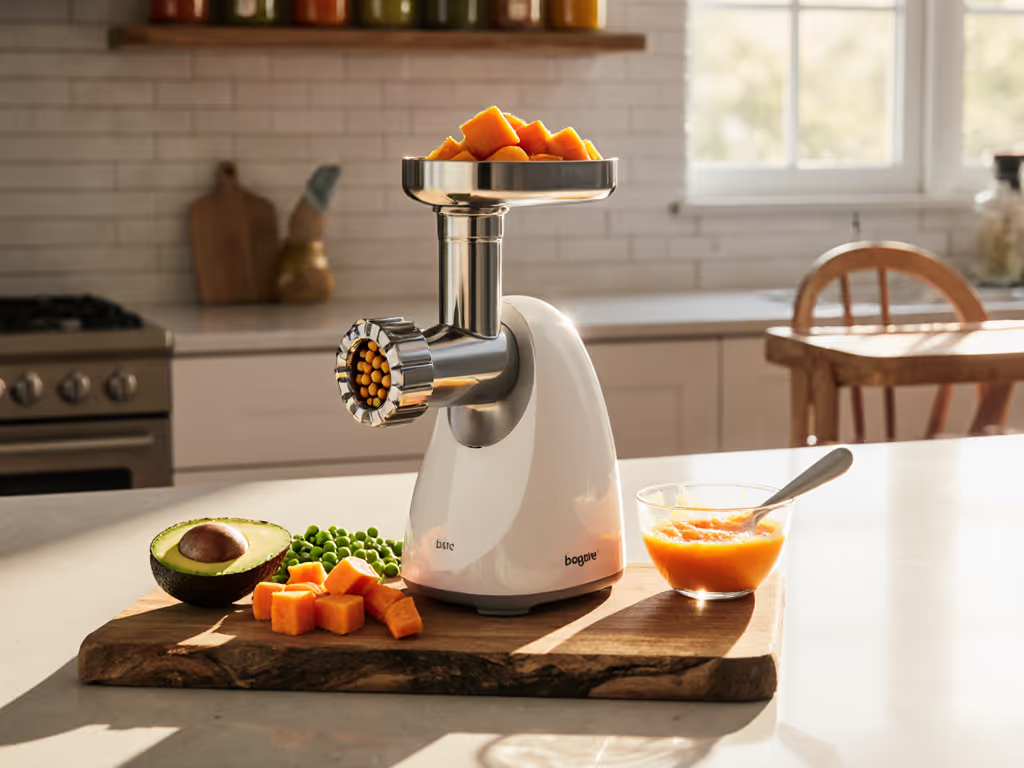
In contrast, Standalone Processors focus exclusively on transforming already-cooked ingredients into smooth textures. These devices work best for parents who prefer traditional cooking methods but want precise blending capabilities. They typically offer multiple speed settings and specialized blending attachments designed specifically for infant food textures.
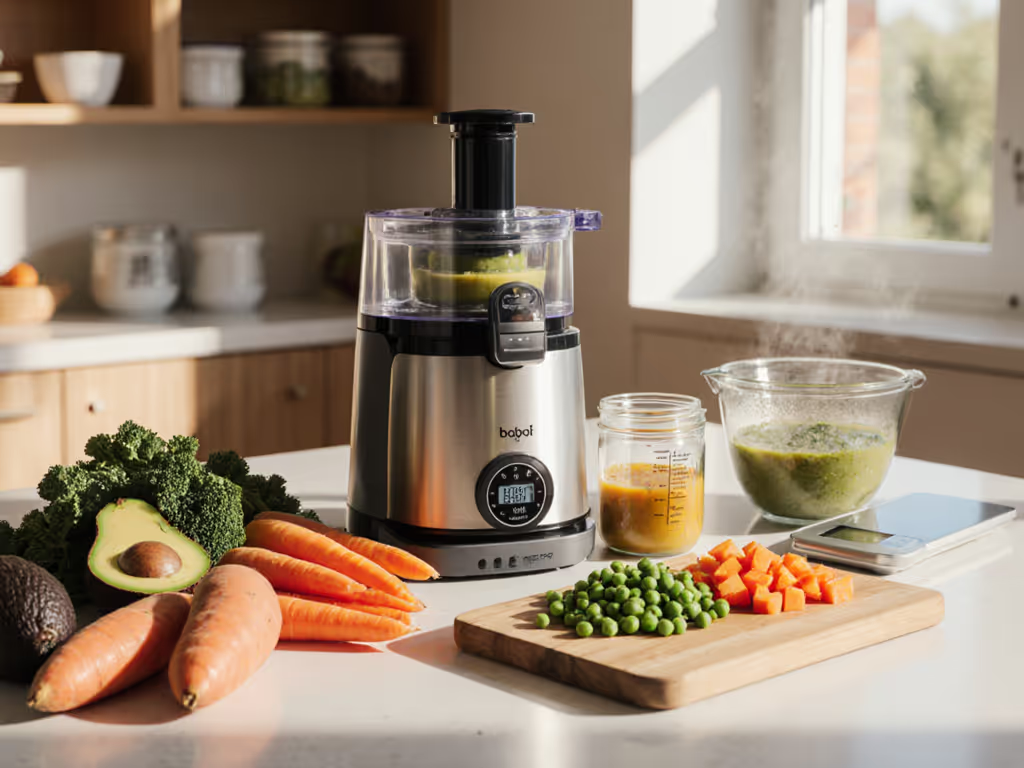
Multifunctional Kitchen Systems like the Thermomix represent the most advanced category. These sophisticated appliances go beyond basic baby food preparation, offering capabilities such as weighing ingredients, precise temperature control, and multiple cooking functions. While more expensive, they provide incredible versatility for families wanting a comprehensive kitchen tool that can prepare meals for both babies and adults.
"The right baby food maker can transform meal preparation from a complex task to a simple, enjoyable experience." - Pediatric Nutrition Research Center
When selecting a baby food maker, parents should consider factors like budget, kitchen space, frequency of use, and desired feature set. Each category offers unique advantages, ensuring that families can find a solution matching their specific nutritional preparation needs.
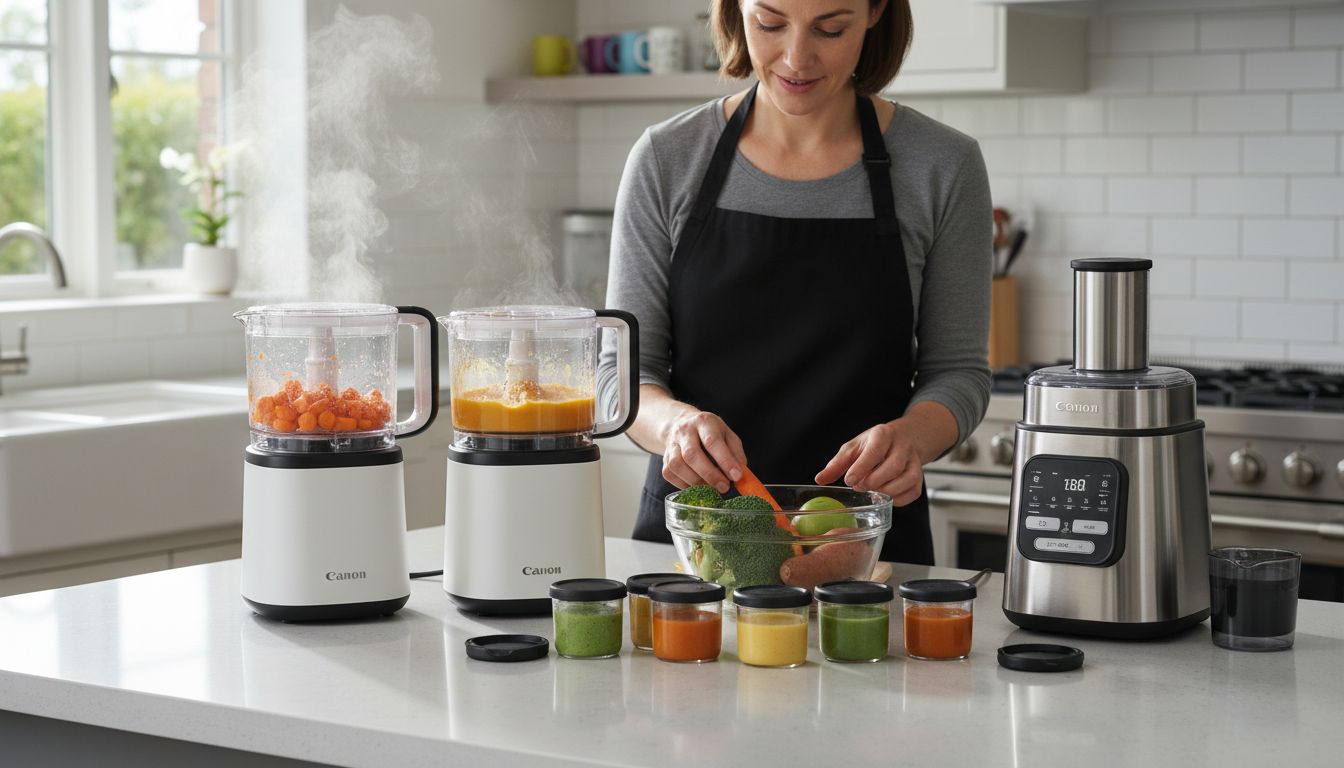
Food safety is paramount when preparing meals for infants, and baby food makers come equipped with critical features designed to protect your child's health and nutritional intake. Understanding these essential safety mechanisms can help parents make informed choices about their food preparation tools.
Key safety features to prioritize in baby food makers include:
Hygiene Considerations play a crucial role in infant meal preparation. Professional-grade baby food makers typically incorporate design elements that reduce contamination risks. This includes removable steaming baskets that can be thoroughly washed, dishwasher-safe components, and sealed blending chambers that prevent ingredient splatter and cross-contamination.
Nutritional safety extends beyond machine design. Ingredient preparation remains a critical factor in creating healthy infant meals. Parents should avoid adding unnecessary additives like sugar, salt, or honey to homemade baby food. Modern baby food makers often include guidance features and measurement tools that help maintain appropriate portion sizes and nutritional balances appropriate for different infant age groups.
Electronic safety features have become increasingly sophisticated in recent years. Advanced models now include digital temperature monitoring, automatic steam cycle completion, and built-in timers that ensure consistent cooking results. These technological innovations provide parents with additional peace of mind, knowing their baby food preparation process is both precise and protected.
"The right baby food maker transforms meal preparation from a potential health risk to a controlled, safe nutritional experience." - Child Nutrition Safety Institute
Ultimately, selecting a baby food maker with comprehensive safety features requires careful consideration of design, materials, and technological capabilities. Parents should prioritize devices that offer multiple layers of protection while maintaining ease of use and cleaning.
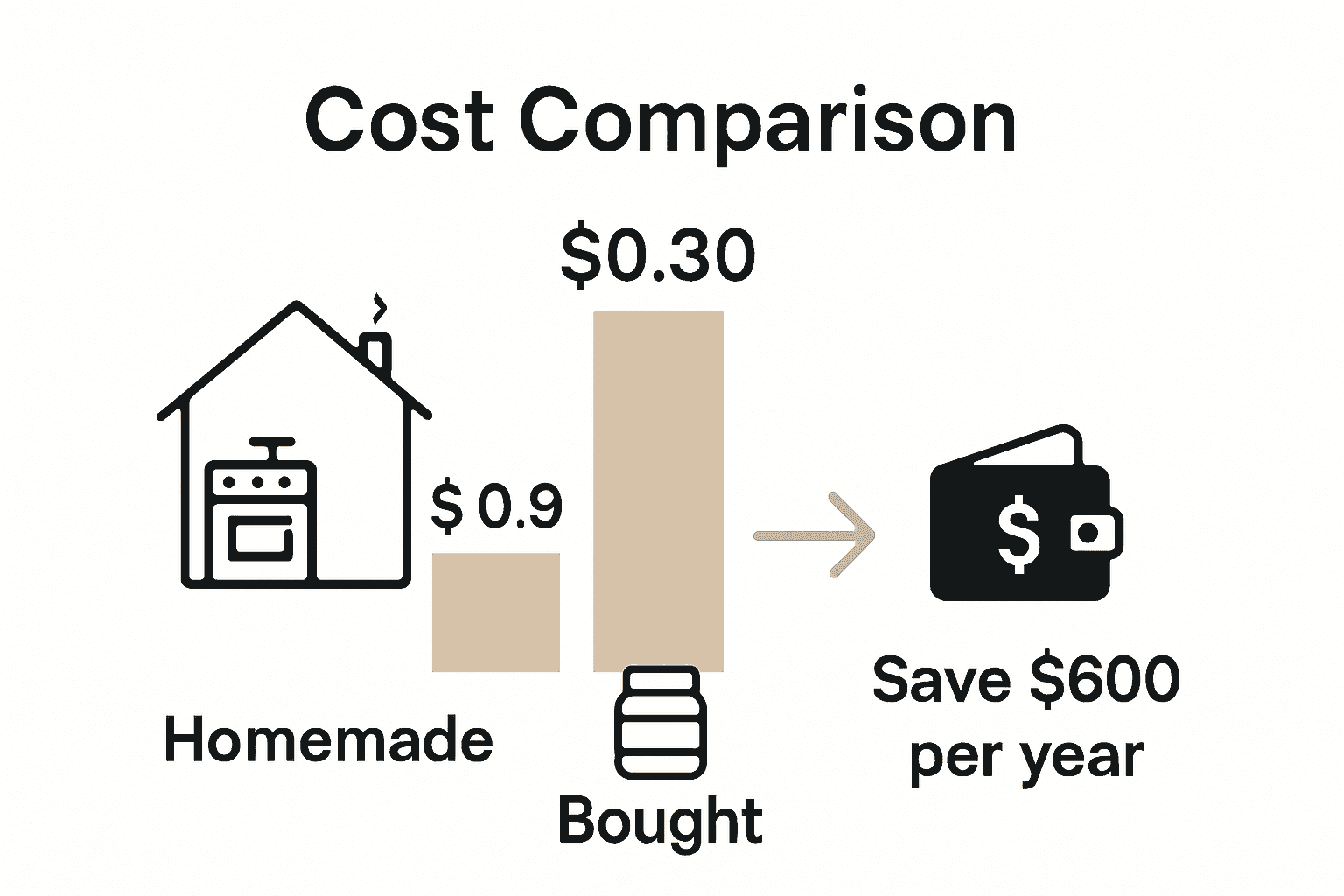
Cost comparison between homemade and store-bought baby food reveals significant financial advantages for parents who invest in baby food makers. Understanding the long-term economic implications can help families make more informed nutritional and budgetary decisions.
A detailed cost breakdown demonstrates the potential savings:
Initial Investment Considerations are crucial when evaluating financial benefits. While baby food makers represent an upfront cost ranging from $50 to $200, their long-term economic impact significantly outweighs the initial purchase price. Parents can typically recoup their investment within six to nine months of regular use, making these appliances a smart financial strategy for budget-conscious families.
Beyond direct monetary savings, homemade baby food offers additional economic advantages. By purchasing whole ingredients in bulk and preparing meals in batches, parents can further reduce food expenses. This approach allows for strategic meal planning, minimizes food waste, and provides greater flexibility in nutrition management. Advanced baby food makers with storage capabilities enable parents to prepare multiple meals simultaneously, maximizing both time and financial efficiency.
The economic benefits extend beyond immediate financial considerations. Quality control becomes an unexpected financial advantage. By preparing meals at home, parents avoid premium pricing associated with organic or specialized commercial baby food brands.
 Homemade options allow direct ingredient selection, potentially reducing long-term healthcare costs through improved nutritional intake and reduced exposure to unnecessary additives.
"Investing in a baby food maker is not just a kitchen purchase, but a strategic financial decision for modern families." - Family Budget Experts
Ultimately, the financial argument for baby food makers goes far beyond simple cost per serving. These devices represent a comprehensive approach to infant nutrition that balances economic efficiency, nutritional quality, and parental convenience.
Baby food preparation requires precision and careful attention to detail. Even with advanced kitchen appliances, parents can inadvertently make mistakes that compromise the safety, nutrition, and quality of their infant's meals. Recognizing these common pitfalls is the first step toward ensuring optimal food preparation.
The most frequent errors parents encounter include:
Hygiene Mistakes represent the most critical errors in baby food preparation. Many parents underestimate the importance of comprehensive equipment cleaning. This goes beyond simply rinsing components – baby food makers require thorough washing with hot, soapy water, followed by complete air drying or sanitization. Bacterial contamination can occur quickly in moist environments, potentially causing serious health risks for infants with developing immune systems.
Nutritional Missteps frequently stem from well-intentioned but misguided additions to baby food. Parents sometimes mistakenly add salt, sugar, or unnecessary seasonings, not realizing these can be harmful to an infant's developing digestive system. Professional nutritionists emphasize the importance of pure, single-ingredient preparations during early food introduction stages. Modern baby food makers often include guidance features to help parents maintain appropriate nutritional standards and avoid these common dietary mistakes.
Technical errors can also compromise the effectiveness of baby food makers. Operational Mistakes like overfilling steaming baskets, not monitoring cooking times precisely, or using inappropriate blade settings can result in uneven cooking, nutrient loss, and potentially unsafe food textures. Parents should carefully read manufacturer instructions, understand their specific device's capabilities, and practice consistent preparation techniques.
"The margin for error in infant nutrition is razor-thin. Precision and knowledge are parents' best tools." - Pediatric Nutrition Research Center
Ultimately, avoiding these common mistakes requires a combination of education, careful attention, and a commitment to learning proper baby food preparation techniques. Each mistake presents an opportunity to improve and refine your approach to infant nutrition.
Preparing fresh and nutritious meals for your baby can feel overwhelming with so many options and features to consider. This article highlights the challenges parents face such as achieving perfect texture, ensuring safety with non-toxic materials, and balancing time with convenience. If you want to avoid common mistakes and discover quiet, easy-to-clean, and efficient baby food makers designed to make your life easier during hectic moments like naptime, you are in the right place.
At Parent Kitchen Lab, we specialize in helping parents find the best baby food maker tailored to their unique needs. You can explore detailed reviews and comparisons focused on noise levels, ease of one-handed use, and valuable resale insights. Don’t wait until stress builds around meal prep time. Take control now by visiting our resource hub to unlock expert advice and make an informed decision that saves time and promotes your baby’s health. Start your journey toward hassle-free, nutritious baby meals today at Parent Kitchen Lab.
Baby food makers are specialized kitchen appliances that streamline the preparation of fresh meals for infants. They typically combine steaming and blending functions, allowing parents to cook fruits, vegetables, and proteins, turning them into smooth purees for easy feeding.
The three primary types of baby food makers are all-in-one steamer blenders, standalone processors, and multifunctional kitchen systems. All-in-one devices cook and blend in one machine, standalone processors focus solely on blending, and multifunctional systems offer advanced features for broader food preparation needs.
When selecting a baby food maker, prioritize features like non-toxic materials (BPA-free), auto shut-off to prevent overheating, easy-clean surfaces for hygiene, and precise temperature controls for safe cooking.
Homemade baby food usually costs between $0.25 and $0.50 per serving, while store-bought options can range from $1.00 to $2.50. By investing in a baby food maker, families can potentially save $500 to $1,200 annually and avoid the added costs associated with commercial baby food brands.