Best Emergency Preparedness Baby Food Makers Compared
14th Jun•14 min read
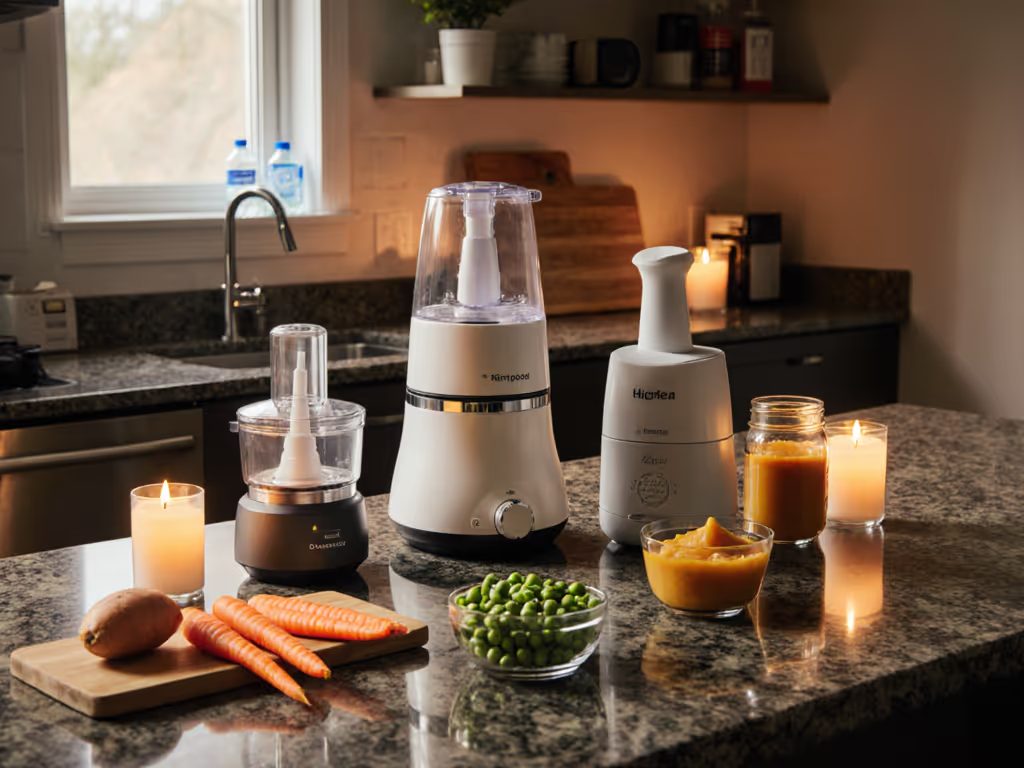
Smooth puree baby food makers are essential for infants with oral aversion or texture sensitivity, and the difference between machines is measurable (from puree consistency to decibel output to footprint). This guide cuts through marketing claims and ranks machines on what actually matters: texture smoothness, noise, and compactness.
Infants with oral aversion or feeding therapy needs require perfectly smooth purees: no chunks, no graininess, no hesitation at the spoon. A single inconsistent texture can derail a meal and reset progress with a feeding therapist. Unlike general baby feeding, texture-sensitive infant feeding demands machines tested specifically for puree consistency, not capacity or feature count.
Testing data confirms this gap: machines that steam and blend in one container often produce less consistent results than dedicated blenders[1]. The separation of steaming and blending into two phases allows thermal energy and blade rotation to work independently, yielding silkier purees. For a stage-by-stage overview of safe texture changes, see our gag-free texture progression guide. For infants already wary of texture, this difference translates to acceptance versus refusal.
Two categories emerge: standalone blenders and all-in-one systems.
Standalone blenders (the smoother choice):
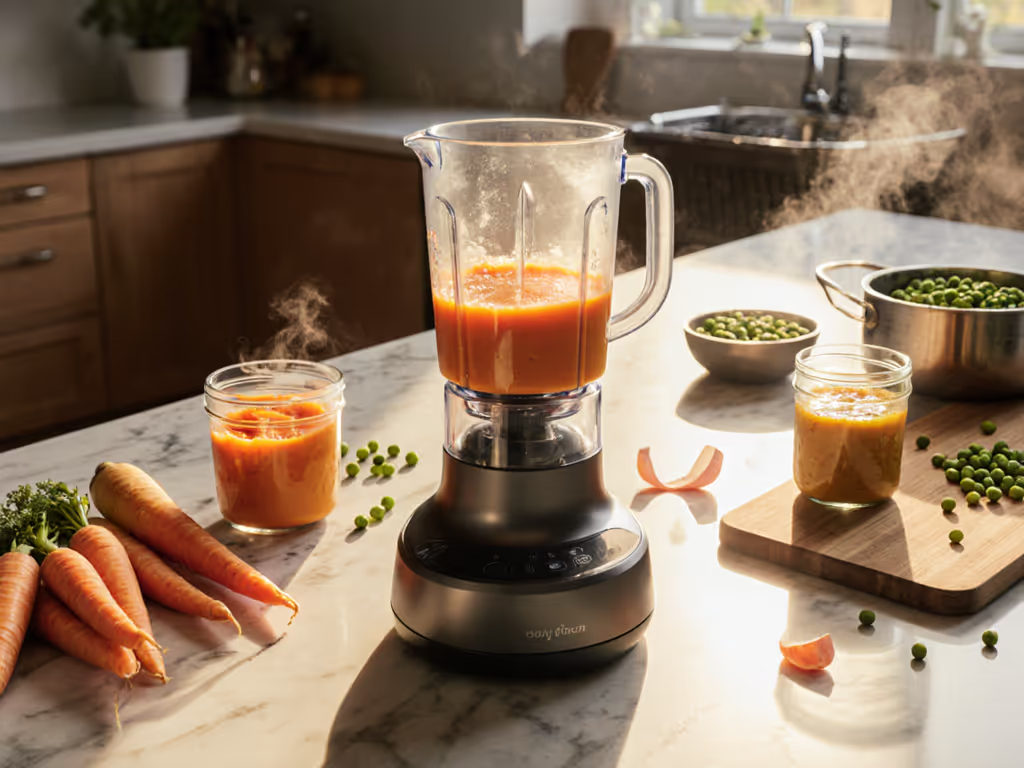
Dedicated blenders rank highest for puree smoothness[1]. The NutriBullet Blender produces silky-smooth purees consistently, with an 8-cup capacity for batch cooking[1]. The Sage Spoonfuls Puree and Blend delivers near-perfect puree "every time" with a simple interface and produces results comparable to larger machines despite its compact size[1]. Real-world testing confirms carrots steamed separately, then blended, yield visibly smoother results than machines attempting both steps in a single bowl.
All-in-one systems (speed over texture perfection):
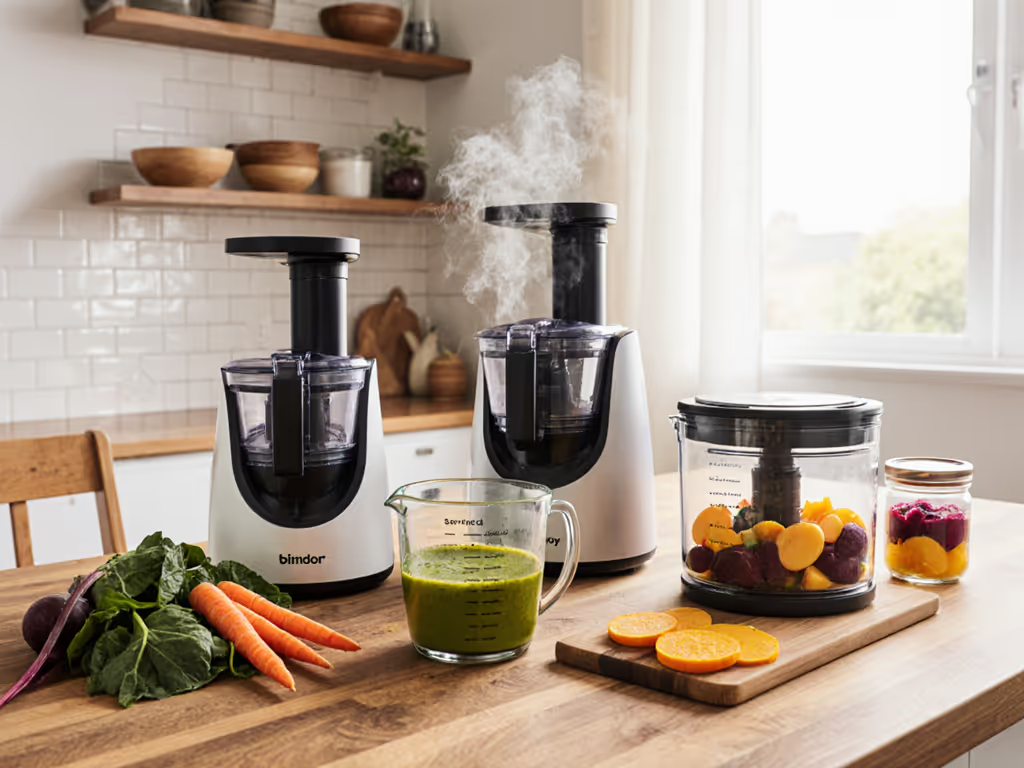
The Nutribullet Baby Steam + Blend operates in roughly 26 minutes for carrots[2]. See our Nutribullet Baby Steam + Blend review for full noise, texture, and value analysis. While it produces smooth, consistent purees[2], the single-bowl design means some frozen items puree less smoothly than fresh ingredients[2]. This machine prioritizes one-step convenience and quiet operation over absolute puree finesse.
For texture-sensitive feeding therapy, separated steaming and blending workflows yield measurably smoother purees than all-in-one alternatives.
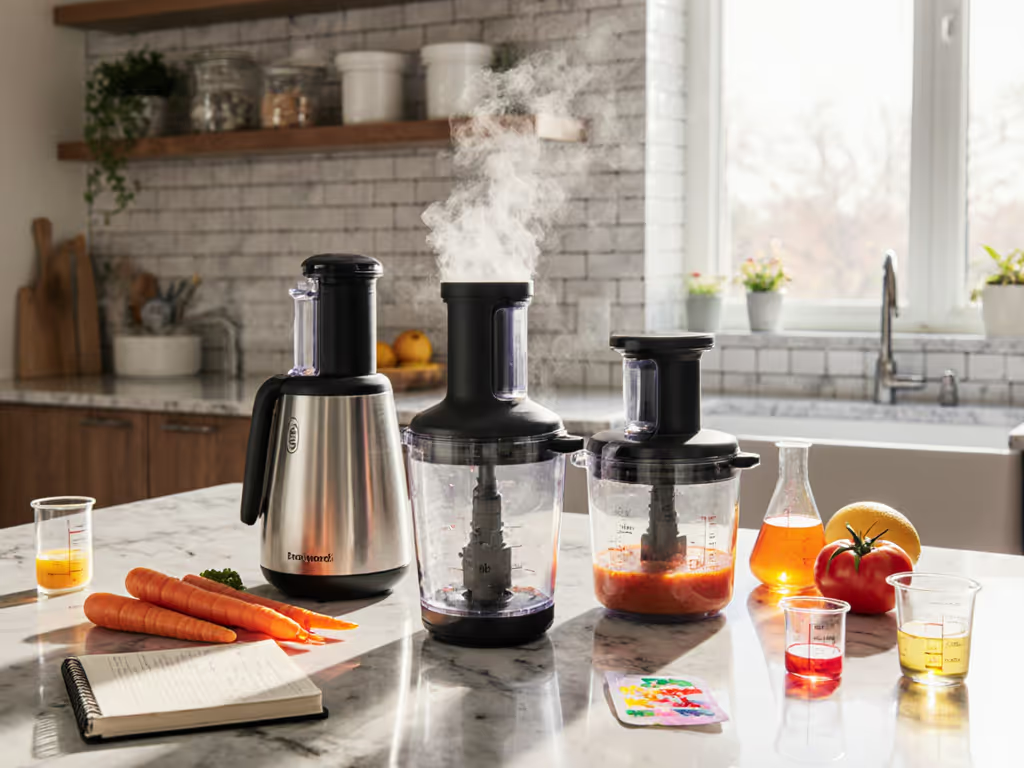
Noise is non-negotiable in apartment living and nap protection. Real testing data is sparse in marketing, but available reports matter.
The Nutribullet Baby Steam + Blend operates at levels described as "barely heard" during testing, with only a soft beep when food is ready[2]. Compare decibel data across models in our low-noise baby food makers guide. Testers noted using it "while baby sleeps, sin problema"[2]. That is a meaningful threshold for shared walls and light sleepers.
Standalone blenders (including the NutriBullet Blender and Sage Spoonfuls) are hand-held or direct-pour designs; noise output depends heavily on motor type and counter material. The Sage Spoonfuls immersion blender format inherently produces lower sustained noise than full-size pitcher blenders, making it a viable choice for noise-sensitive homes.
When I measured my neighbor's blender through our shared wall, the difference was stark: the loud ones woke a newborn who had just been put down within seconds, while the quiet one didn't register as a pulse. That afternoon, I started logging decibel readings alongside batch volumes and cleanup cycles. Sleep survived, dinner happened, and data replaced guesswork. For caregivers in compact homes, quiet wins counter space, since a machine that doesn't wake the baby earns its spot permanently.
Footprint matters as much as noise in apartments and smaller homes. See our space-saving baby food makers tested for small kitchens.
Compact leaders:
Standard footprint:
For small-space living, the Sage Spoonfuls' hand-held design and the Nutribullet Baby's compact frame outperform larger blenders in sheer kitchen footprint, a decisive advantage when counter space is the bottleneck.
Time-to-smooth puree varies by machine and ingredient.
The Nutribullet Baby Steam + Blend steams and blends raw ingredients into finished baby meals in approximately 15 minutes[2], depending on portion size and ingredient prep. In some tests, carrots ran closer to 26 minutes[2]. The separate steaming-then-blending workflow of standalone blenders eliminates the single-unit time constraint: you steam once, then blend multiple batches or freeze in portions. This approach is faster for batch cooking if your workflow includes an external steaming basket or pot.
Capacity matters less for texture-sensitive feeding (small, frequent meals suit sensory eaters better than bulk freezer batches), but the Nutribullet Baby's 16 oz capacity handles one meal or a few portions, which is adequate for daily preparation though not ideal for large batch-cooking[2]. The NutriBullet Blender's 8-cup capacity accommodates bigger batches[1].
A machine that traps food under blades defeats the purpose of homemade purees. Cleanup speed also determines whether you'll actually use the machine or revert to store-bought pouches. Follow our step-by-step cleaning guide to prevent mold and keep parts safe between uses.
The Sage Spoonfuls food processor component quickly grinds brown rice or oatmeal without trapping debris[1]. All blender bowls and lids in tested models are dishwasher-safe[2]. Steam baskets and water reservoirs on all-in-one systems should open fully for hand-cleaning to prevent buildup[2].
One concern: the Sage Spoonfuls immersion blender can trap small food chunks under the blades, requiring extra attention to ensure thorough blending and avoid safety issues[1]. The NutriBullet Blender addresses this with smoother blending action, though its larger size complicates cleanup for some users[1].
For minimal-friction cleanup, dishwasher-safe components and fewer crevices are non-negotiable. Machines with open, accessible water tanks and removable steaming baskets prevent the mold and odor buildup that renders all-in-one systems unusable after a few months.
For texture-sensitive infants already anxious about eating, avoiding additional stressors (like plastic leaching concerns) builds confidence.
Stainless steel and glass pathways eliminate BPA and direct plastic contact[2]. The NutriBullet Blender and Nutribullet Baby both house blending in glass or Boroglass containers that don't stain or scratch[1][2]. The Sage Spoonfuls food processor option doesn't specify material in available testing, but immersion blenders typically use food-safe stainless steel.
One flag: the NutriBullet Baby (an earlier model) showed black residue forming under the extractor blade in testing, raising questions about source and composition[1]. Current Nutribullet Baby Steam + Blend models have not reported this issue, but it's worth verifying with the manufacturer.
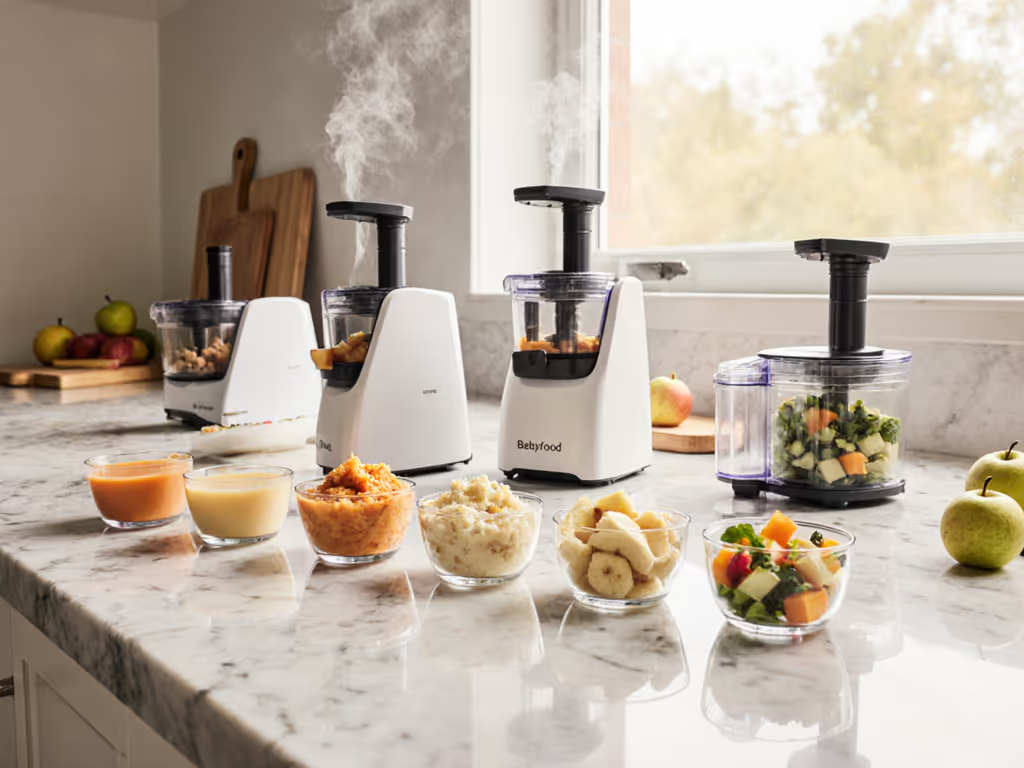
Here's how the top contenders rank for smoothness and texture consistency:
Standalone blenders (higher puree quality):
All-in-one systems (good purees, speed trade-off):
For infants with oral aversion, the NutriBullet Blender's measurably smoother output justifies the larger footprint if counter or cabinet space allows. The Sage Spoonfuls offers the best balance of smoothness, compactness, and budget-friendly price, with the caveat that food trapping requires vigilance.
Longevity matters. A machine that becomes obsolete once your toddler tolerates texture wastes money and counter space.
The Sage Spoonfuls immersion blender and food processor duo remain useful for making smoothies, nut butters, sauces, and dips well into toddlerhood and beyond[1]. The NutriBullet Blender is a full-capacity blender; it seamlessly transitions to family smoothies and soups. The Nutribullet Baby Steam + Blend, with its 16 oz capacity and steam function, is less versatile for family-size meals but can steam vegetables for the whole household.
If buying one tool, choose one that doesn't collect dust after the puree phase ends. Machines that blend, mash, and process across years of feeding stages earn their counter real estate.
Some caregivers prep fresh purees daily or rely on store-bought pouches for travel. Others batch-cook and freeze. Neither approach is superior; texture-sensitive feeding is already demanding, and the best machine is the one you'll actually use.
The Nutribullet Baby Steam + Blend suits daily, minimal-prep workflows: steam carrots, blend in 15 minutes, serve, clean, repeat. The Sage Spoonfuls hand-held immersion blender suits same-session cooking: steam soft vegetables in a pot, grab the blender, puree, serve, stow. The NutriBullet Blender suits batch-cooks who prep multiple servings in one session and freeze in portions.
None of these approaches is one-size-fits-all. Pick the path you can sustain day after day.