Quiet Baby Food Makers: Reflux-Friendly Prep
6th May•9 min read

Traditional Asian baby food recipes offer a culturally rich foundation for introducing your little one to diverse flavors while prioritizing gentle cooking methods that preserve nutrients. As caregivers increasingly seek authentic cultural baby food preparation approaches, it is critical to understand both the culinary traditions and the safety considerations behind these methods. Safety is clarity: know what touches the food, how it heats, and how it cleans. This analytical guide explores the evidence-based practices behind traditional Asian baby foods, focusing on what works in real kitchens (not just theoretical ideals).
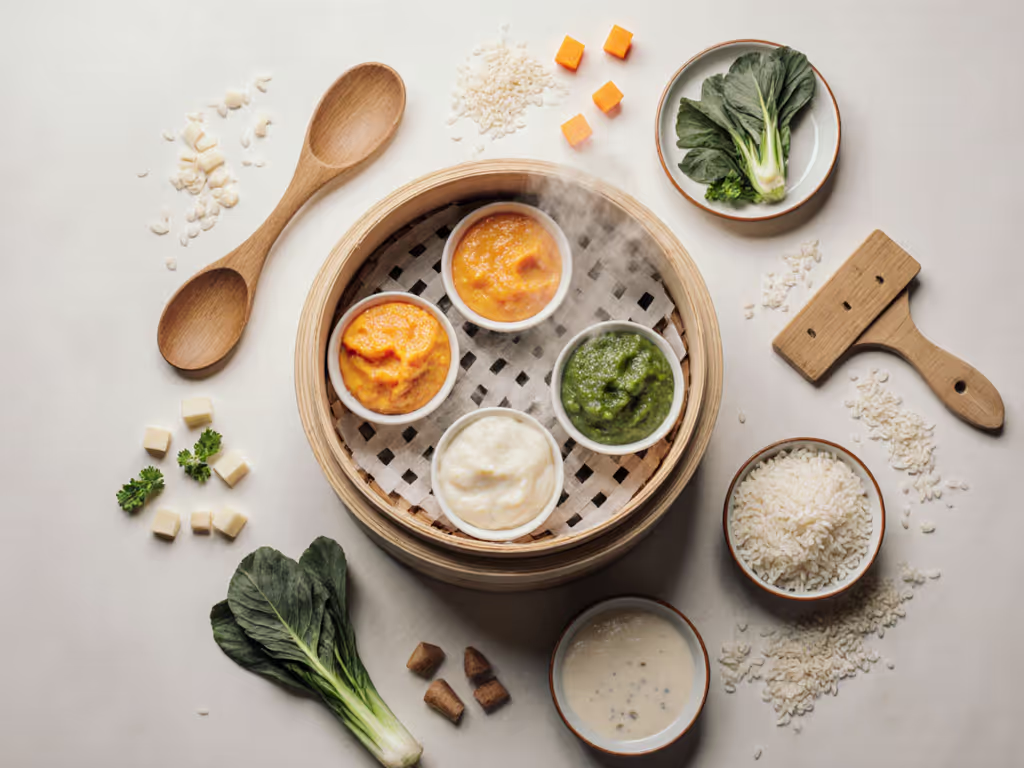
Asian baby food traditions often emphasize gentle steam techniques from the earliest stages of weaning. Unlike Western approaches that might prioritize pureed fruits first, many Asian cultures introduce complex flavors earlier through carefully prepared dishes. Japanese mothers might incorporate dashi (a mild fish and seaweed broth) into early rice porridge to build umami awareness without added salt[1]. Korean parents often prepare low-sodium versions of bulgogi with lean meats and gentle steaming[2].
This cross-cultural approach isn't about "advanced" feeding (it is about systematic exposure to foundational flavors while respecting developmental readiness). Traditional Asian baby foods typically follow a progression: rice porridge (okayu) → soft proteins like tofu → vegetables with mild seasonings. The slow introduction respects both digestive maturity and flavor development. For a step-by-step plan on moving from thin porridges to chunkier textures, see our gag-free texture progression guide.
Safety is clarity: what touches food, how it heats, and how it cleans, period.
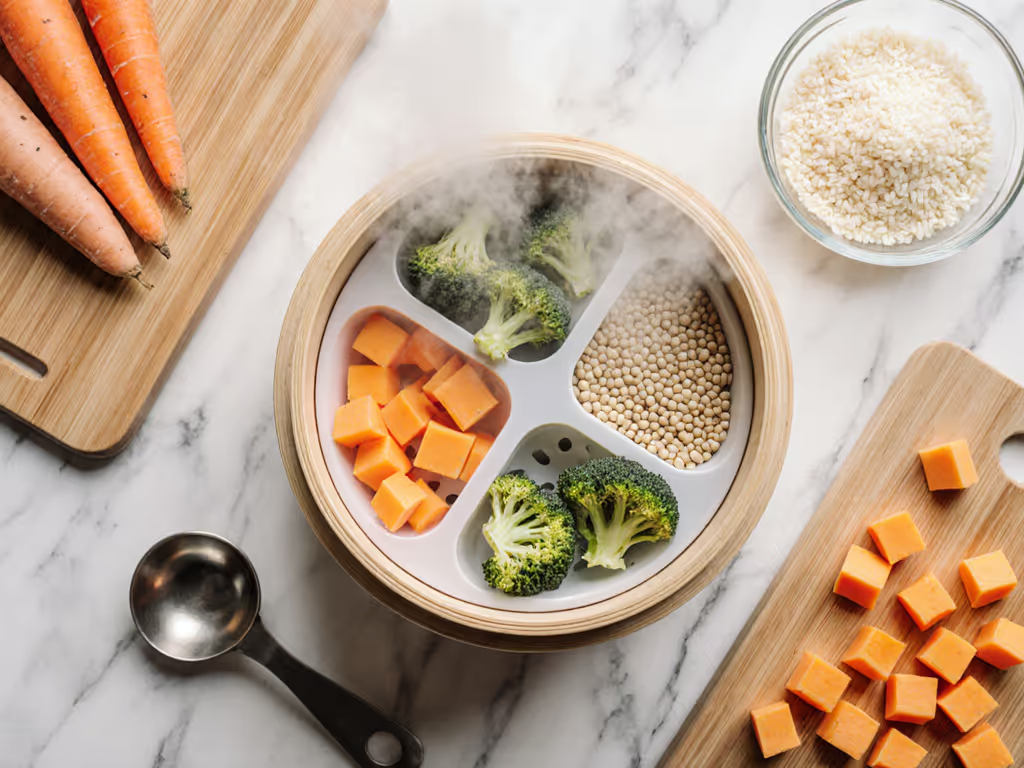
Steam cooking preserves significantly more nutrients than boiling, particularly water-soluble vitamins B and C that leach into cooking water[3]. When preparing rice porridge for babies or tofu for infants, raising food above the water (rather than submerging it) creates true steam cooking versus braising. This technique, common in traditional Asian baby food preparation, maintains:
However, the equipment matters critically. If you're deciding between steam-capable appliances and simple blenders, compare nutrient outcomes in our steamer vs non-steamer guide. When steaming baby food, verify that:
Trust but verify labels. I once discovered that a "BPA-free" blender gasket was actually a polycarbonate blend that degraded under repeated steam exposure, leaching compounds into food. Always check what "BPA-free" really means for the entire material composition. Then keep it safe and sanitary with our baby food maker cleaning guide.
Rice porridge for babies (okayu in Japanese, juk/congee in Korean/Chinese) serves as the foundational food across many Asian cultures. The preparation method matters as much as the ingredients:
Many modern steam cookers maintain precise temperature control that replicates traditional clay pot cooking, but verify material safety (some plastic components can warp or degrade under prolonged steam exposure). A friend learned this the hard way when their baby reacted to detergent residue trapped in crevices of a "dishwasher-safe" appliance, not the food itself.
Tofu preparation for infants requires special attention due to its porous nature. Traditional Asian baby food recipes often introduce soft tofu at 6-8 months as an early protein source. Key safety considerations:
When preparing tofu for infants, avoid direct contact with materials that could transfer residues. Always use separate cutting boards and utensils for allergen-free preparation. The porous structure of tofu readily absorbs compounds from surfaces, another reason why single-material equipment (like glass steam baskets) often proves safer than multi-component systems with potential crevices.
Modern adaptations of cultural baby food preparation should preserve the nutritional integrity while addressing contemporary safety concerns. Consider these evidence-based adaptations:
When selecting equipment, prioritize these safety factors in order of importance:
Adopt these protocols for evidence-based Asian baby food recipes that prioritize safety without sacrificing tradition:
The goal isn't perfection: it is creating reliable systems that work consistently in your actual kitchen. Traditional Asian baby food preparation offers wisdom accumulated over generations, but modern materials science provides additional verification methods our ancestors lacked.
Authentic cultural baby food preparation thrives when tradition meets evidence-based safety practices. Whether you're making Korean rice balls (jumeokbap) for older babies or Japanese rice porridge for beginners, what matters most is understanding the complete journey from raw ingredient to finished food, including what touches it at each stage.
Focus your efforts where they matter most: proven steam techniques that preserve nutrients, materials that withstand repeated cleaning without degradation, and systems that fit your actual kitchen constraints. By applying analytical thinking to traditional Asian baby food recipes, you create not just meals, but reliable, safe feeding practices that build confidence through clarity.