Quiet Baby Food Makers: Reflux-Friendly Prep
6th May•9 min read
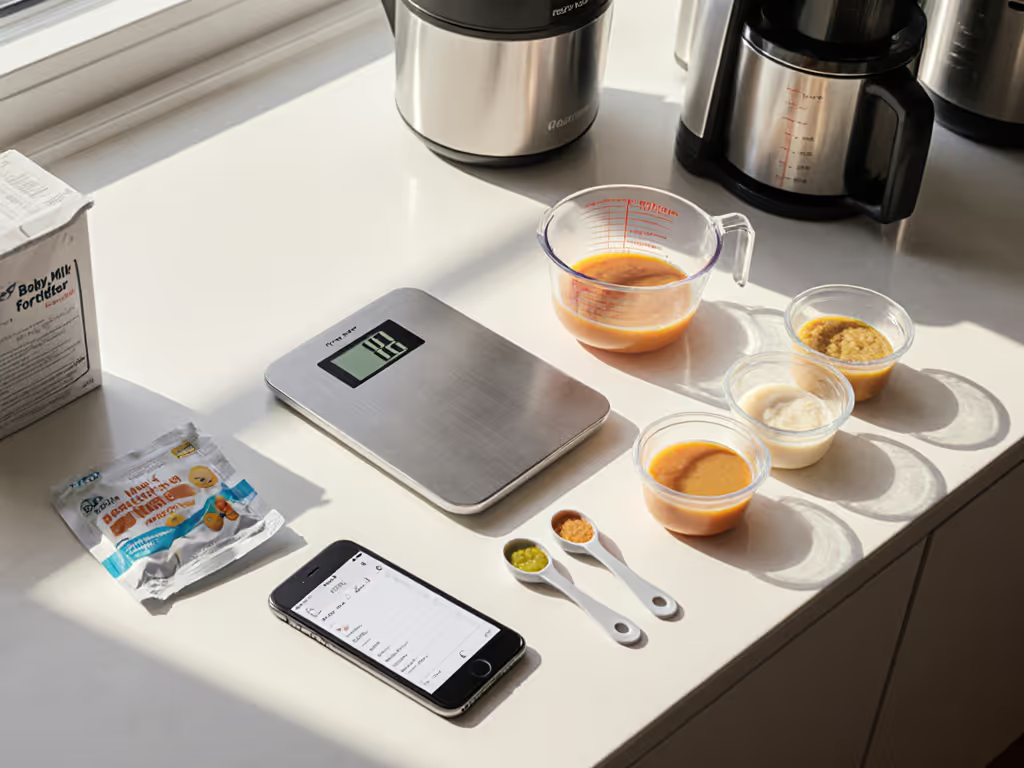
When preparing preemie baby food, every texture matters. Unlike full-term infants, premature babies often require specially tailored nutrition that supports their developmental catch-up while accommodating their unique oral-motor skills. Premature infant nutrition isn't just about what you feed; they need foods prepared to specific medical-grade standards that balance safety, nutrition, and developmental readiness. For a science-backed overview of safe texture stages, see our texture progression guide. I've tested countless methods during midnight feedings and naptime prep sessions, and can confirm that the right approach transforms stressful mealtimes into calm, confident moments.
As a caregiver of a preemie, you're navigating a delicate balance between medical requirements and practical kitchen realities. Good design reduces friction and risk, so feeding fits life (not vice versa). When I wrote my last review with a baby snoozing on my shoulder, I paid special attention to which preparation methods worked during "nap-roulette"... those precious quiet moments when you can actually focus on making proper nutrition.
Premature infants often need 20-24 calories per ounce compared to the standard 20 calories for full-term babies. This requires nutrient-dense solutions that don't compromise on safety or texture. According to pediatric nutrition guidelines, preemies benefit from iron-fortified foods starting around 5-8 months corrected age (their age from their original due date), but their food textures must match their developmental stage, not their chronological age.
Fewer steps, fewer spills, which is especially critical when your arms are already occupied.
Medical literature consistently shows that preemies should begin solids based on developmental cues rather than strict age milestones. Look for these safety-first defaults:
Many NICUs use a "corrected age" approach, counting from your baby's original due date. For example, a baby born 8 weeks early might not be ready for solids until 6 months after their due date, meaning 8 months chronological age. Always consult your neonatologist before introducing solids.
Preemies often need smoother textures for longer than full-term babies due to weaker oral muscles. The CDC recommends starting with "very smooth" textures that easily dissolve with saliva. Here's my one-handed check method for perfect consistency:
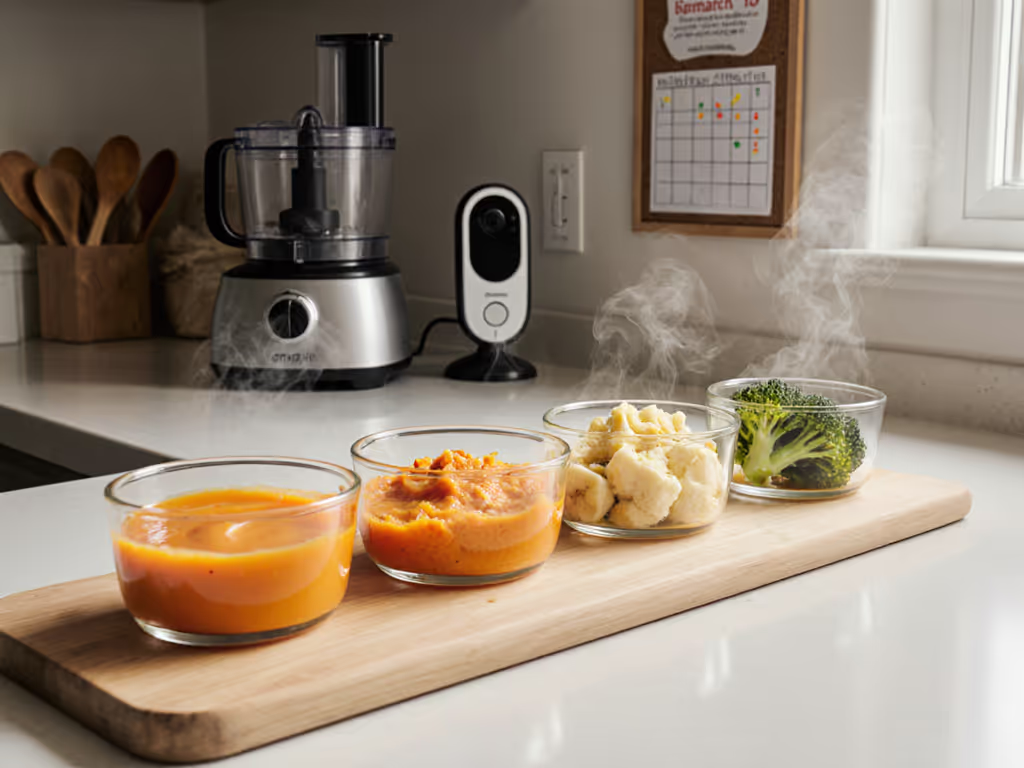
Initial Stage (5-8 months corrected age): Purees should pass through a fine mesh strainer with no resistance. Use a fork test: drag a fork through your puree; it should leave no visible grooves.
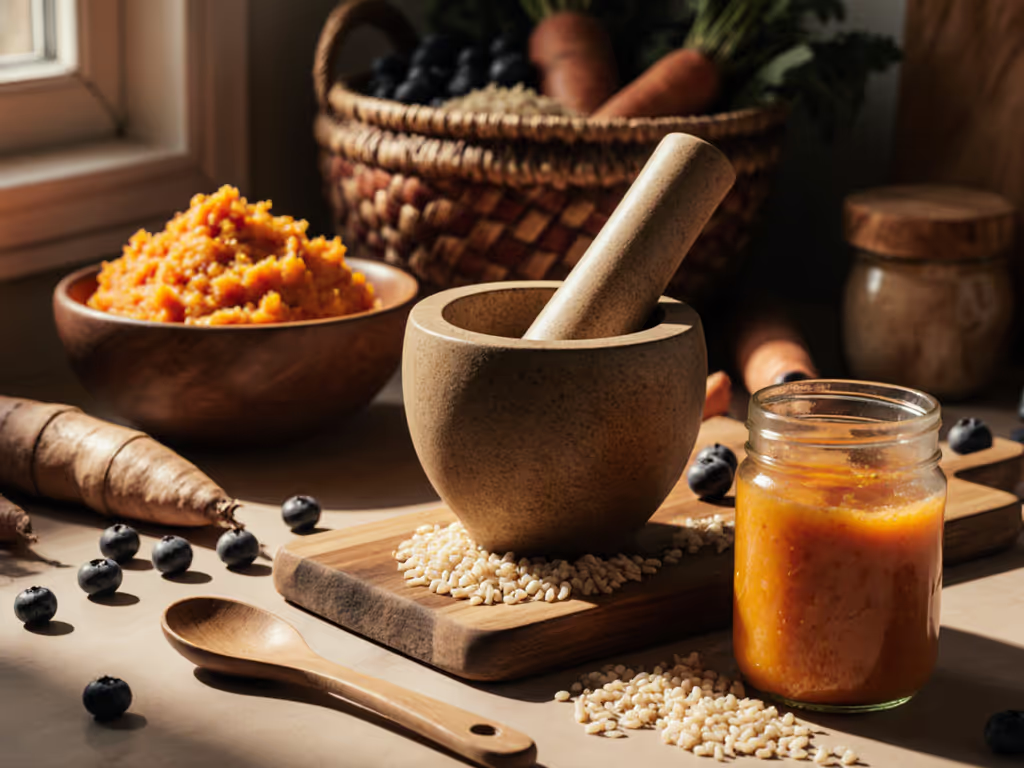
Transition Stage (8-10 months corrected age): Introduce "lumpiness" with textures that mash easily between thumb and forefinger. Avoid cylindrical shapes that could pose choking risks.
Family Food Integration (10+ months corrected age): Gradually incorporate finely minced versions of what the rest of the family eats.
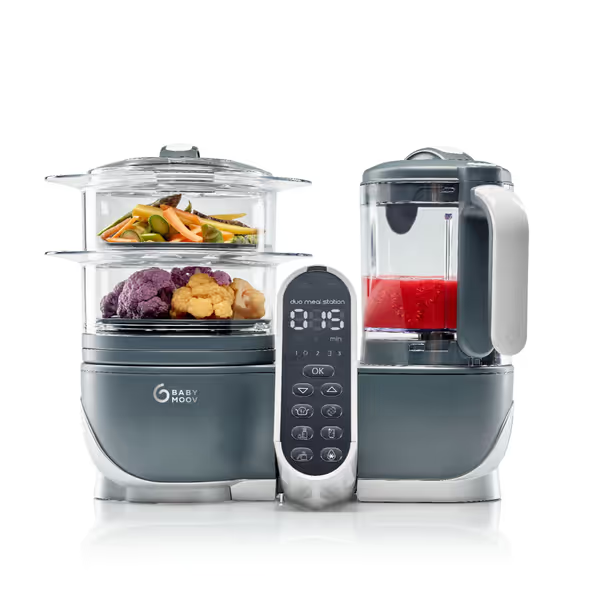
Fortifying baby purees is essential for nutrient-dense baby food that supports catch-up growth. Here's how to do it safely, without altering texture:
Important: Never add anything to breast milk or formula without medical approval. Always follow your care team's specific recommendations for calorie density; they may recommend specialized formulas or fortifiers.
Preemies are more vulnerable to foodborne illness, making proper storage critical: See our lab-tested baby food safety study for evidence-based contamination timelines and safe handling steps.
My time stamp recommendation: Use preemie food within 24 hours of thawing, never refreeze. Discard any food left out for more than 1 hour.
When you're caring for a preemie, efficiency isn't just convenient, it's essential. Design your medical-grade baby food preparation around these plain-language steps:
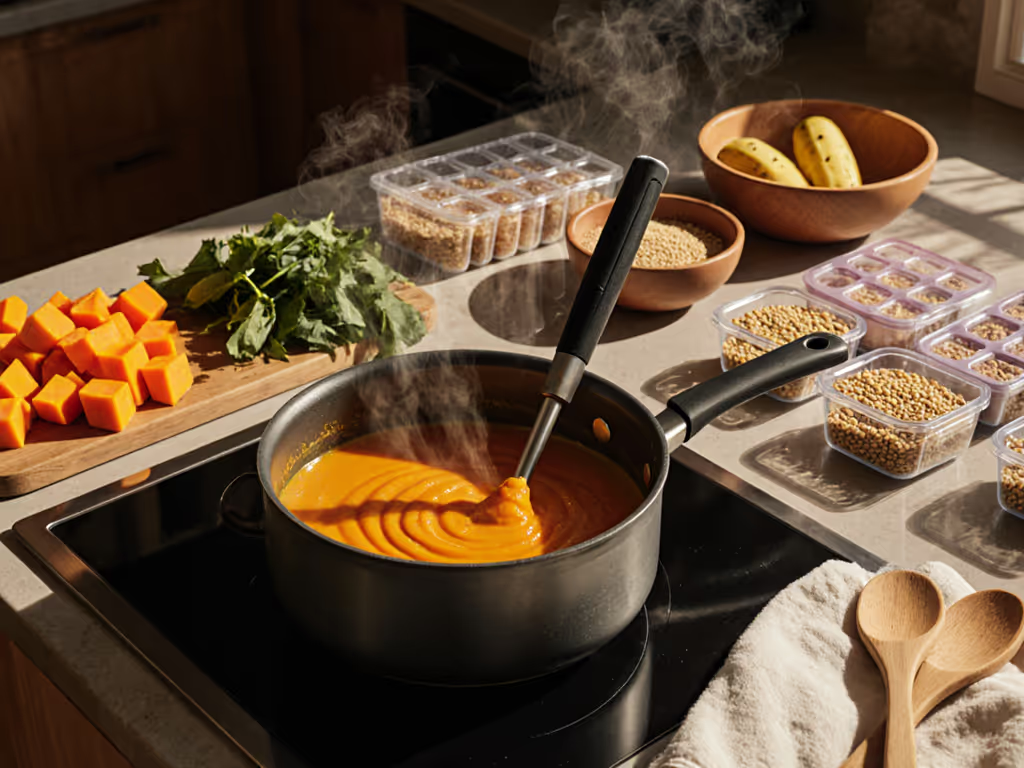
Prep Station: Create a dedicated space with everything within arm's reach (bowl, strainer, measuring spoons)
Sequential Cooking: Steam vegetables first, then proteins. This allows natural cooling while you finish prep.
Batch Smart: Make 3-4 days' worth at most, since preemies' needs change quickly
Hygienic Handoff: Use wide-mouth containers that let you pour without transferring puree
Cleanup Integration: Immediately place used items in dishwasher or soapy water. Use our quick-clean baby food maker guide to sanitize parts efficiently between batches. Don't wait.
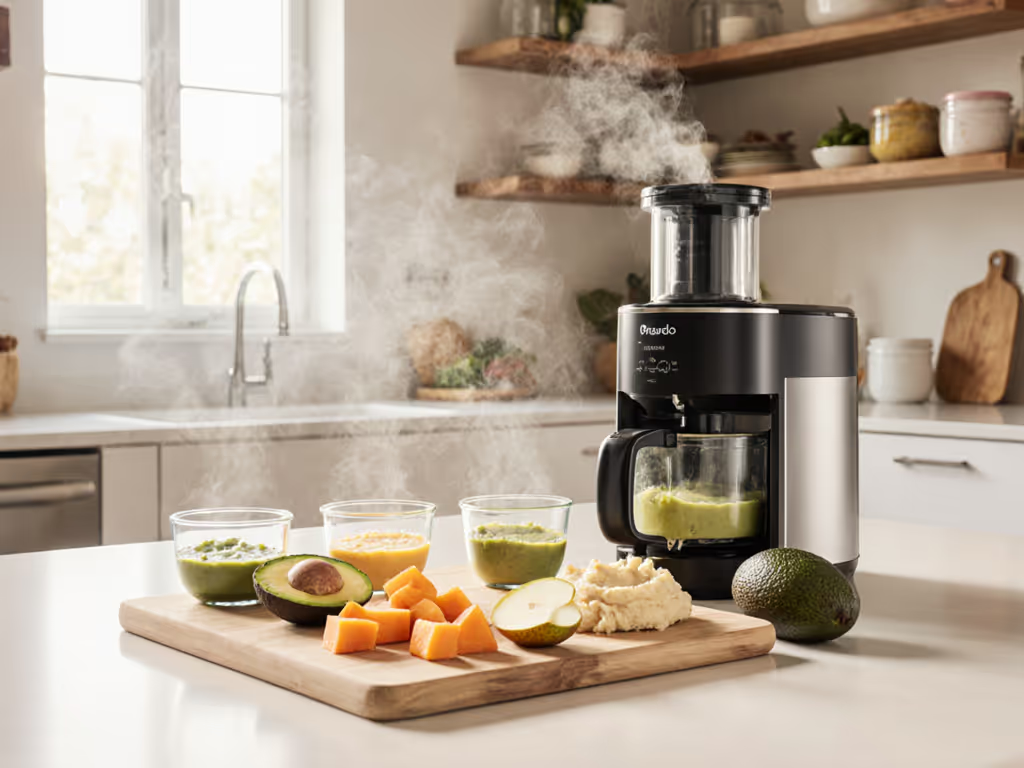
I've timed these steps during actual feeding sessions. With practice, you can prepare a safe, nutrient-dense meal in under 15 minutes while holding your baby with one arm. The key is minimizing transitions between tasks, so there are fewer steps and fewer opportunities for spills or contamination.
Preemies often need to eat more frequently (every 2-3 hours) with smaller volumes. Your purees should support this pattern:
Remember that specialized preemie textures often remain smoother longer than standard recommendations. Don't rush texture progression. Follow your baby's cues, not arbitrary timelines.
Schedule a nutrition consultation with your pediatrician to establish your preemie's specific calorie and texture requirements
Print and post the CDC's food preparation safety checklist in your kitchen
Set up your one-handed prep station tonight, and test it by making a single portion while holding a weighted stuffed animal
Start small: Prepare one batch of iron-fortified sweet potato puree using steamed vegetables and formula
The most important thing to remember? You're not just making food; you're building foundational eating experiences. When your preparation process flows smoothly, you're not just feeding your baby; you're creating positive associations with food that will last a lifetime.
Designed for one hand, tested during nap-roulette, approved under pressure; your preemie deserves nutrition that fits your reality, not the other way around. Fewer steps, fewer spills, and more moments of connection during these precious early days.