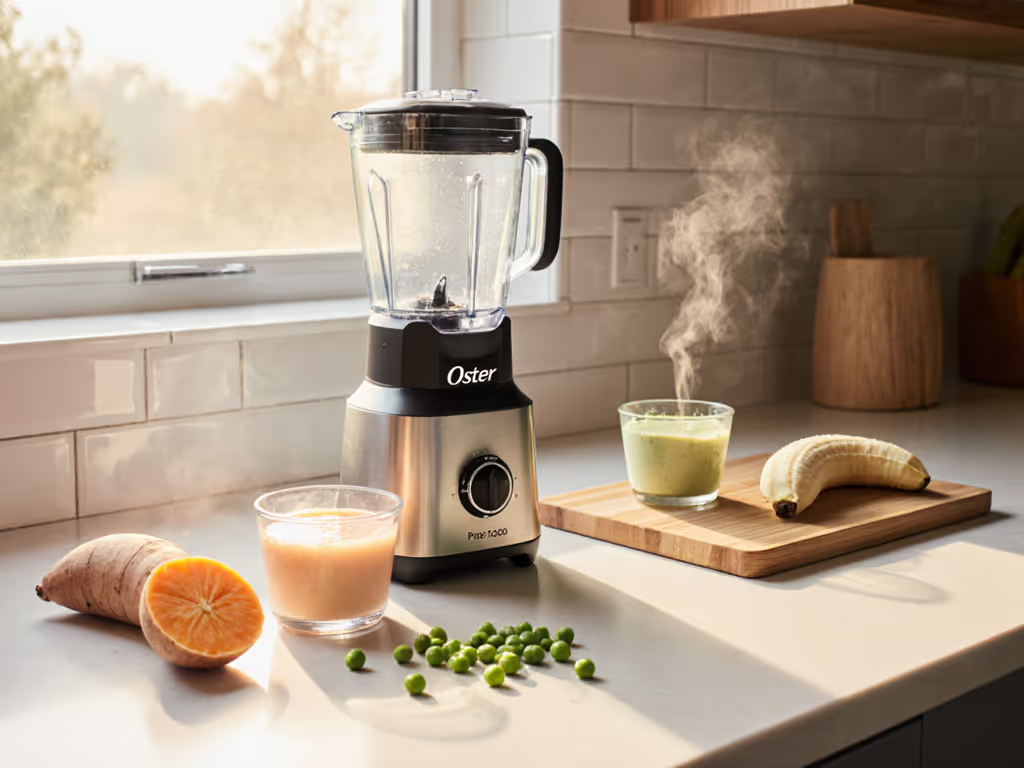
Oster Baby Food Maker Pro Review: Quiet, Compact Value
2nd Jun•15 min read
The BEABA Babycook Neo review landscape tends to split between "it's a luxury item" and "it saved my life." The truth sits in the middle, but only if you approach it as a system that grows with your kitchen, not just a device for one stage of feeding.
I design recipes and workflows around one principle: ratios beat rigid recipes. When you have a tool that steams, blends, defrosts, and reheats in one quiet, compact frame, your ratio system can actually scale (from a 4-ounce carrot puree at 6 months to a batch of ginger-carrot soup you serve your whole family at 18 months). That's the kind of longevity that justifies the investment. Let me walk you through what the Neo actually delivers, where it genuinely excels, and where you might face friction.
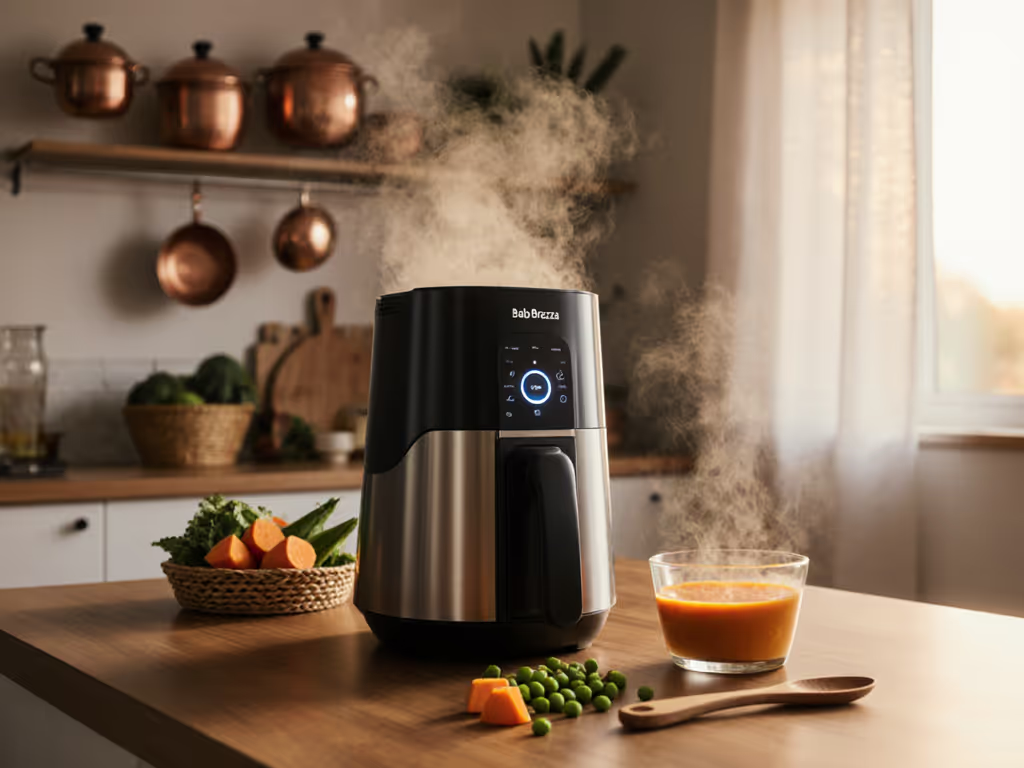
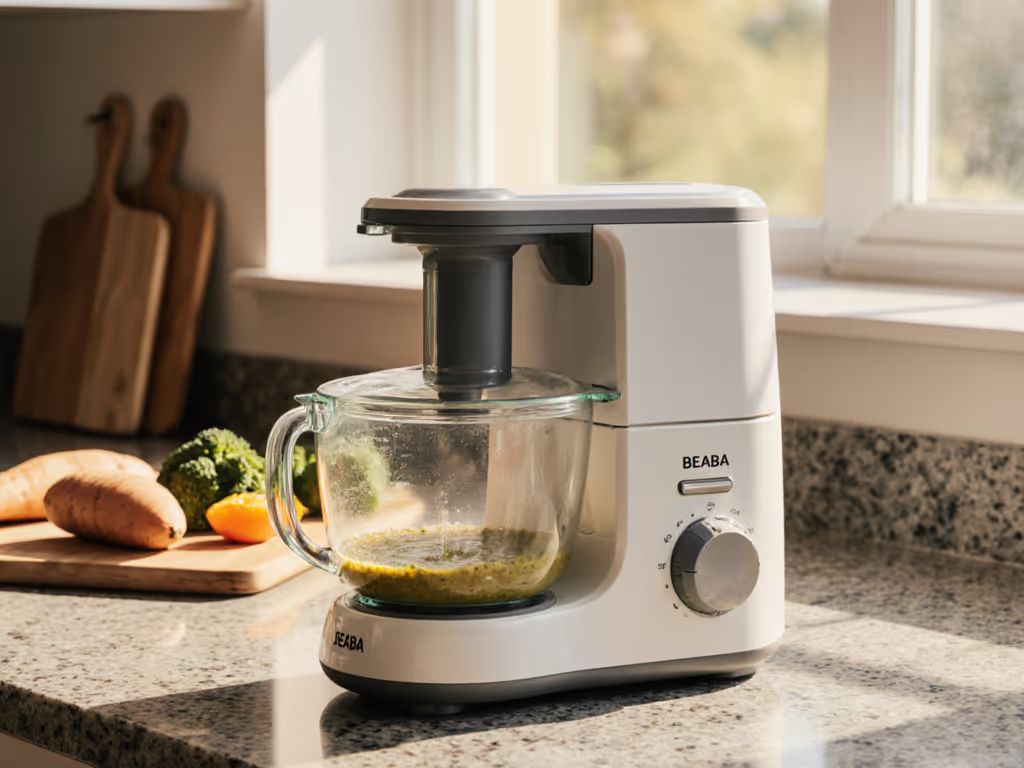
The baby food maker category has existed for years, but the Neo represents a design-first update to an already capable machine. It's a 4-in-1 system: it steams raw vegetables, fruits, and proteins; blends them to your chosen texture; defrosts frozen portions; and reheats them.
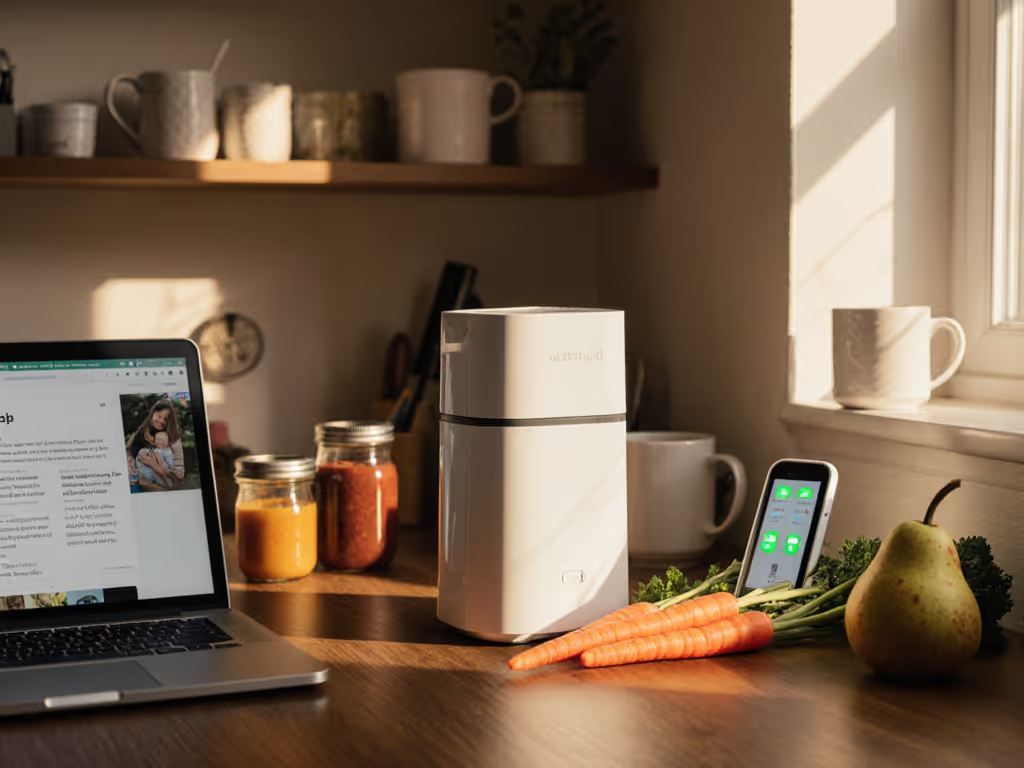
The machine's core: a plastic body housing a stainless steel steam basket and a glass blending bowl with a blade inside. There is no separate pitcher or transfer step. You steam directly in the bowl, add the steaming liquid back, and blend in place.
The Neo can prepare over 5 cups of food at once and completes a full steam-to-puree cycle in under 20 minutes. The bowl itself holds 600g (about 1.3 pounds), which is purposeful: large enough to batch cook for a few days without being so massive that it dominates a small kitchen counter.
For context, if you're batch-cooking on a Sunday, you can run 2 to 3 cycles and freeze enough portions to cover a week of feeding. That's the real value here: not speed in isolation, but speed as part of a batch system.
One of the biggest pain points for caregivers in smaller homes is noise. A blender that screams during nap time defeats the entire purpose of batch cooking in the first place, because you have traded convenience for anxiety.
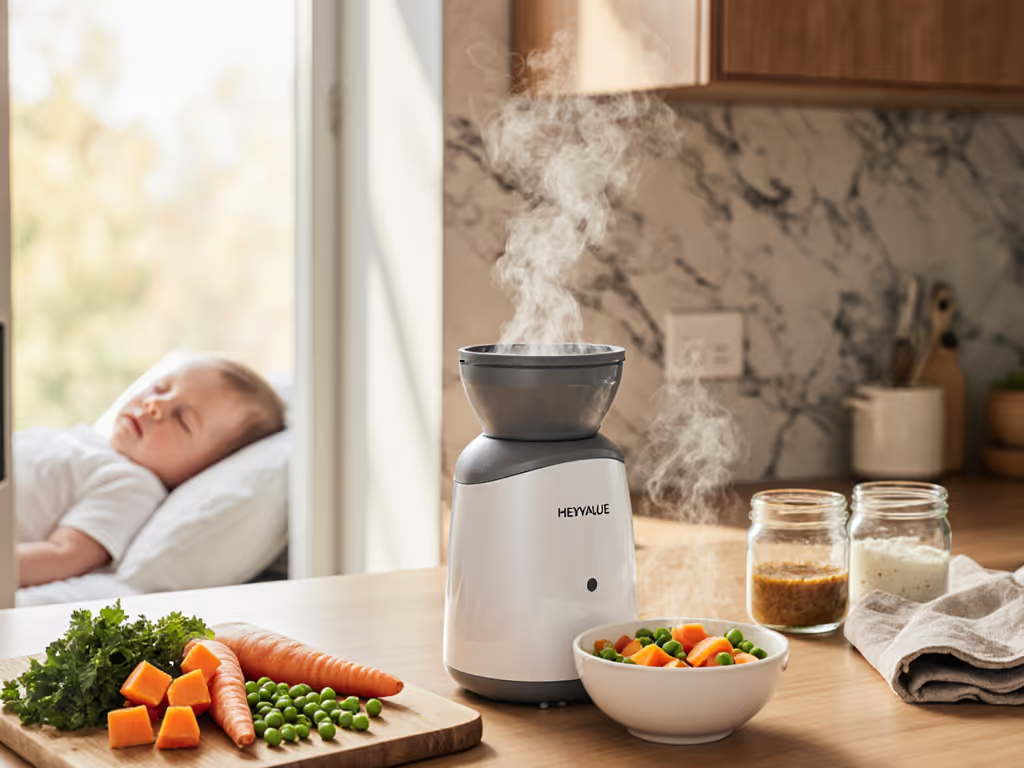
The Neo pulses rather than running continuously, and parents report it's quiet enough that sleeping babies don't startle. One reviewer noted that her six-month-old and toddler don't flinch when she uses it, a detail that matters more than decibel numbers in a spec sheet. For decibel-by-stage data to plan true nap-safe workflows, see our nap-safe noise test.
Why? Because quiet operation isn't just about the motor. It's about confidence. You can prep during nap time without the mental burden of "Will this wake them?" That's one less decision weighing on your mental load.
The blade in the Neo is notably strong. Reviewers who have tested multiple machines compare it favorably to single-purpose blenders like Blendtec and Vitamix, which is significant because most baby food makers sacrifice blending power for compact form factor.
You can dial the blend time from a light pulse (12 seconds maximum) to create smooth, mixed-texture, lumpy, or chunky purees depending on your preference and your child's stage. If you're dialing textures week by week, our texture control by developmental stage guide shows exact settings and timing. The consistency is not always perfectly smooth on the first try, since some vegetables blend more easily than others, but the range is there.
Why this matters: You're not locked into one texture across an entire batch. One effort, many plates, means you might blend some softer carrots to smooth while leaving firmer broccoli slightly chunky for a child working on texture exposure.
If your feeding approach includes finger foods or baby-led weaning elements, the Neo steams soft pieces without any extra gear. Steam carrot sticks, broccoli florets, or apple wedges to the right softness, and your child can self-feed without choking risk.
For toddlers or family meals, the same steaming function works for roasted-style vegetables that you'll later use in sauces, soups, or dips. That's the scaling piece: the machine doesn't become obsolete once your child moves beyond purees.
The machine arrives mostly assembled. The remaining setup (connecting the blade to the bowl, seating the steam basket) follows straightforward instructions. Experienced caregivers report it's intuitive within the first use.
Operation itself is one-handed: fill the steamer basket, add water, press the button, and walk away. There's an automatic shut-off, so you don't have to monitor it. An audible alert tells you when the cycle is complete.
One-handed usability matters more than marketing copy suggests. If you're holding a baby, managing an older sibling, or dealing with postpartum limitations or pain, designing friction out of your tools is a form of self-care. The Neo doesn't require two hands for any step of the process.
This is where real-world testing reveals the most honesty. The machine has multiple parts: the blade assembly, the basket, the bowl, the lid. All require cleaning.
On the positive side, most parts are dishwasher-safe, which means less hand-washing and faster turnaround. The glass bowl doesn't retain odors or stains the way plastic does.
On the friction side, the small connectors and washers between the blade and bowl can trap food debris if you don't rinse immediately after blending. This isn't unique to the Neo, but it's worth noting if you're considering this against machines with fewer moving parts. To prevent buildup and keep parts sanitary, follow this step-by-step cleaning guide.
The trade-off: more functionality (steaming + blending in one space) means more assembly and disassembly for each cycle. Some reviewers find this negligible; others mention it as a drawback relative to keeping a separate steamer and blender.
The Neo uses a glass blending bowl rather than plastic, which addresses a common concern among caregivers worried about BPA and other compounds leaching into food during blending or heating. Glass is inert, doesn't scratch or degrade, and doesn't retain flavors or odors.
The stainless steel steam basket is food-safe and durable. The plastic housing is the only component where caregivers might have material concerns, but it doesn't contact food directly.
The machine has an auto shut-off feature, which prevents overheating and reduces the manual monitoring needed. Steam handling is straightforward, and the design doesn't create awkward angles or unsafe lid-removal procedures that could cause burns.
The Neo is priced at around £160 (approximately $200 USD equivalent in many markets). That's a significant investment for a single-purpose appliance, and it's worth asking whether it pays for itself.
One breakdown: the average baby consumes about 12 ounces of baby food per day, or 360 ounces monthly. Store-bought organic baby food averages roughly $108 per month, meaning this machine pays for itself in approximately three months of batch cooking. For a multi-child long-term view, see our 5-year true cost analysis.
But the real value emerges when you shift your frame from "baby food maker" to "family food preparation tool." If you're using the steamer for your own vegetables, the blender for pesto, hummus, or soup bases, and the defrost function for frozen portions across multiple people, the cost per use drops significantly over a year or two.
Tools should evolve with your child. The Neo isn't specifically designed for a child turning three; it's designed as a machine that serves multiple purposes in your kitchen for years. That's longevity.
The 600g bowl works well for 2 to 3 day batches for a single infant, but if you're feeding multiple children or trying to batch-cook a month's worth at once, you'll need to run multiple cycles. That's not a flaw (it is a design choice that prioritizes a compact footprint over maximum capacity).
The included cooking guide doesn't cover every food item or combination you might want to try. For caregivers who are newer to batch cooking, this means some trial-and-error or external research. The machine is flexible, but the documentation doesn't fully reflect that flexibility.
At £160, it's firmly in the "premium" category. Many families can achieve similar results with a separate steamer and an immersion blender for less money. The trade-off is compactness, quiet operation, and integrated design. If your pain point is noise and space (rather than cost), the Neo makes sense. If your primary concern is affordability, a two-tool setup might serve you better.
The Neo shines for caregivers who meet several criteria:
The Neo is less essential if you prioritize maximum capacity per cycle, have room for multiple single-purpose appliances, or are seeking the lowest possible cost per unit.
Across independent reviews, consistent strengths emerge: the blending quality rivals machines at twice the price, the quiet operation holds up in real homes (not just marketing claims), and the compact design actually fits under cabinets. Reviewers also note that the machine performs well for non-baby purposes, such as steaming and blending vegetables for adult meals and making pesto or sauces.
Common friction points: the multiple parts require regular cleaning (though most are dishwasher-safe), the cooking guide could be more comprehensive, and the price is high enough that it feels like a genuine commitment.
Unlike plastic bowls that can cloud or scratch, glass remains clear, allowing you to see exactly how smooth or chunky your puree is before you blend further. Glass also distributes heat evenly, which can contribute to more consistent blending results.
The steam basket is removable and doesn't rust, making it reliable over years of use. Unlike some machines where the steaming component is proprietary, this is a standard stainless steel piece you could theoretically replace if needed.
The lid design and button placement prioritize ergonomics for one-hand use, which is often overlooked in appliance design but crucial for caregivers managing multiple demands.
If you're weighing this against other options:
Separate steamer + immersion blender: Cheaper upfront, but requires more counter space, takes longer overall (two cleanup cycles), and lacks the integrated convenience. Better if cost and total flexibility matter most. For a head-to-head on trade-offs, read our immersion blender vs baby food maker comparison.
High-end food processors or blenders: Can blend as smoothly as the Neo, but don't steam and require manual cooking beforehand. Better if you already own quality blending gear and want to avoid redundancy.
Budget baby food makers: Lighter on the wallet but often louder, less capable at thick textures, and less likely to grow with your kitchen beyond the first year. Better if you're minimizing spend over a single season.
The Neo's position is deliberate: mid-range price, premium performance on quietness and blending, with genuine multipurpose scaling. It's not the cheapest option or the most powerful, but it's the most coherent system for caregivers who value nap protection and long-term versatility.
The question isn't really "Is the BEABA Babycook Neo review positive?" The reviews are genuinely positive. The real question is whether the machine solves your specific friction points.
If you're sleep-protecting, space-conscious, and planning to batch cook across multiple stages of feeding and family meals, the Neo's quiet operation, integrated design, and longevity make it a solid investment. If you're prioritizing lowest cost or maximum capacity, other tools might serve you better.
The machine delivers on what it promises: quiet, compact, effective batch cooking from steaming through blending, with enough consistency range to scale from infant purees to family-wide uses. That's not a luxury item, that's a tool that actually earns years of cabinet space.
Before you commit, consider:
The goal is one effort, many plates: puree-to-family without extra noise or decision fatigue. Whether the Neo is your answer depends on which friction points are really weighing on you.