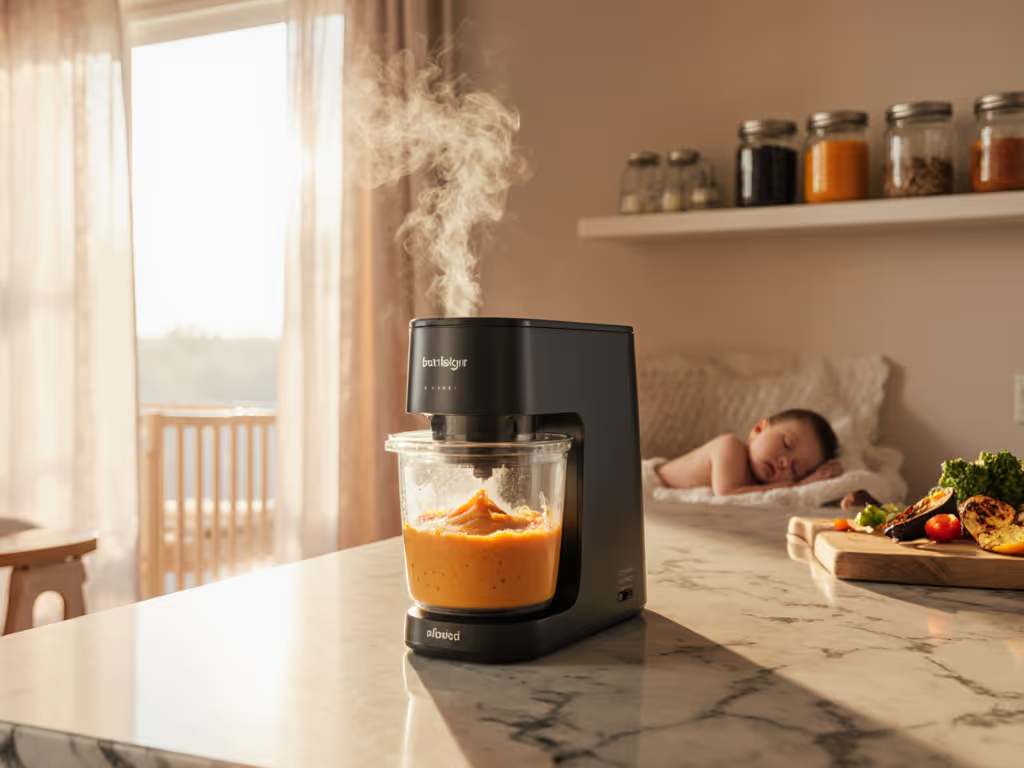
Quiet Baby Food Makers: Reflux-Friendly Prep
6th May•9 min read
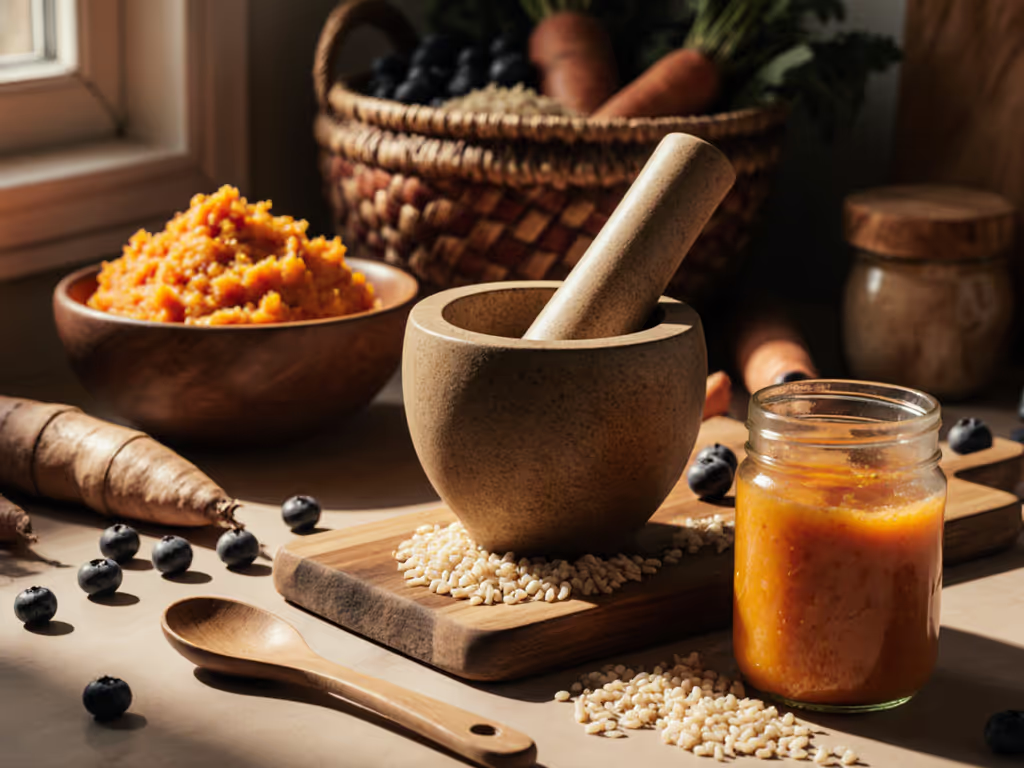
Native American baby food recipes rooted in indigenous traditions offer nutrient-dense foundations for infant feeding, but safety during preparation depends on understanding what equipment touches the food, how ingredients are handled, and whether cooking surfaces and storage containers are genuinely clean. This guide translates traditional practices into practical safety protocols that honor cultural foodways while protecting your infant's health.
Indigenous baby foods draw from what ancestors fed infants for generations: indigenous baby food preparation centered on seasonal squash, beans, berries, and simple grains. Before commercial baby food existed, caregivers prepared soft vegetables by steaming or roasting, mashed beans to smooth consistency, and introduced age-appropriate herbs and spices once digestive tolerance was established.
Common base ingredients include:
These foods align with current infant nutrition guidelines: they're naturally lower in sodium, free from added sugars, and rich in minerals and fiber when prepared appropriately.
A well-meaning caregiver once told me her baby reacted badly to what everyone assumed was the food itself. Turns out, detergent residue trapped in the gasket of her steamer persisted through two full dishwasher cycles. For step-by-step cleaning that prevents hidden residue, see our quick-clean baby food maker guide. The ingredient was fine; the tool wasn't clean. That shifted how I approach food safety with babies: clean is a safety feature. It's not optional, and it's not obvious.
Traditional baby food prep (steaming vegetables, mashing beans) doesn't require complicated gear. What it requires is clarity about what your equipment is made of and whether it actually cleans.
For steaming: Use stainless steel steamers or glass bowls over simmering water. Inspect silicone gaskets and valves after every use; food particles trap allergens and pathogenic bacteria. Dishwasher-safe claims mean the piece can go in the dishwasher, not that residue vanishes automatically. To compare how steaming stacks up nutritionally against other methods, read our steamer vs non-steamer analysis.
For mashing or blending: Hand mashers (wood or stainless steel) and simple food mills avoid the motor-burnout risk of immersion blenders and require no electrical contact with food. If using any blender or processor, verify the pitcher, lid, and gasket are true food-grade (not recycled plastic blends that leach under heat).
For storage: Glass containers with stainless steel or wood lids outperform plastic for long-term freezer safety. If you use plastics, confirm they are labeled #2 (HDPE) or #5 (polypropylene), and avoid any container with a BPA or phthalate declaration (those are present because the material tolerates them).
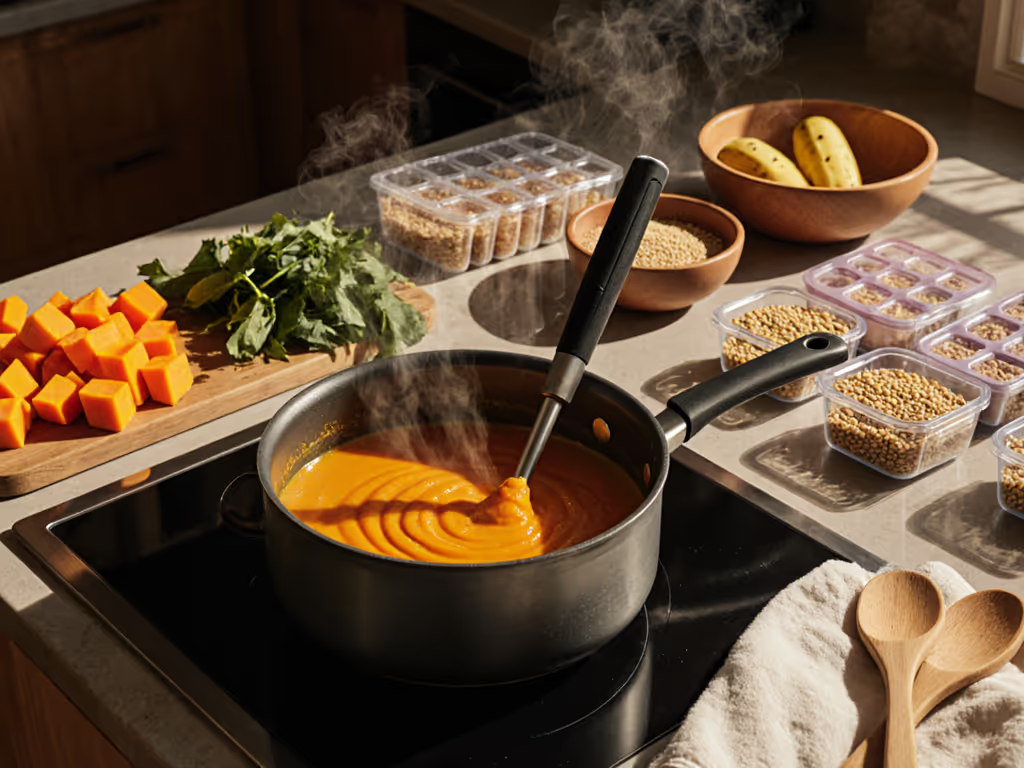
Squash is a foundational weaning food across many indigenous traditions. Wash the exterior under running water, peel with a clean vegetable peeler, and cut into uniform cubes. Steam (not boil, which leaches nutrients) in a stainless steel pot with a steamer basket for 20-30 minutes until fork-tender.
Key safety step: after steaming, transfer squash to a clean glass bowl before mashing. This avoids cross-contact if your steamer pot has been used for other foods. Mash with a hand-held masher until smooth, or pass through a food mill for finer texture.
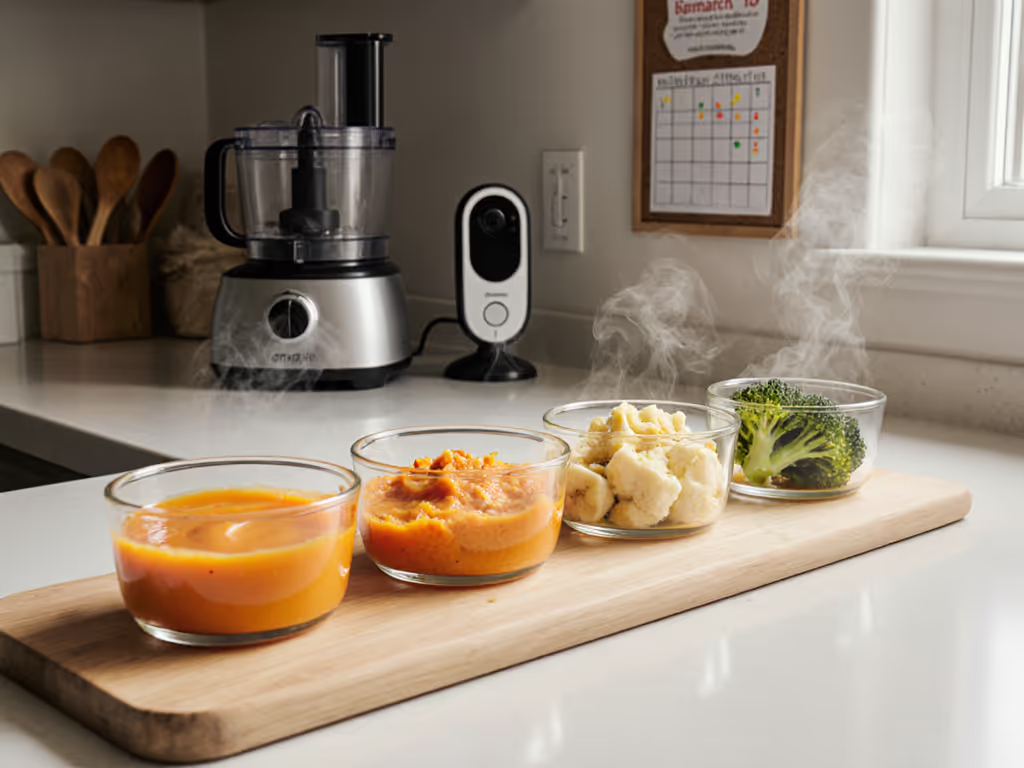
Store in glass containers. For portioning and freezing best practices, use our baby food storage guide. Freeze in 2-4 oz portions; squash puree stays safe frozen for up to 3 months.
Yes, when introduced gradually and in small amounts. Recipes in historical Native American cookbooks include cinnamon, turmeric, cumin, and ginger, often added once babies are established on plain purees (around 6-8 months).
Start with 1/8 teaspoon of a single spice per serving. Watch for any signs of digestive upset (loose stools, rash, vomiting) over 3-5 days before adding another. Ground spices from sealed, recently purchased containers are safer than old bulk bins; spices lose potency and can accumulate mold if exposed to moisture.
Avoid salt entirely; traditional recipes that include salt for family portions must be made plain for the infant's portion before salting.
Recipes like lau dal (squash and lentil curry) and bean preparations yield multiple portions and freeze well.
Key allergen step: if other family members have nut or seed allergies, prepare baby portions before adding walnuts, sesame seeds, or other allergens to the shared pot. For when and how to add common allergens safely, follow our allergenic foods introduction steps.
Grain-based baby foods require careful moisture control. Cornmeal or acorn flour mixed with water and allowed to cook low and slow creates a smooth, digestible porridge. For very young eaters (4-6 months), thin with breastmilk or formula until consistency is soupy; older infants (8+ months) can manage thicker textures. For age-appropriate thickness and transitions, see our texture progression guide.
Store dried grain mixtures in airtight, glass containers away from light and heat. Once cooked and cooled, treat grain porridges like any prepared food: refrigerate in glass, or freeze in 2-4 oz portions for up to 2 months.
This is the friction point for many households with multiple ages, allergies, or dietary needs. Use separate cutting boards for different food groups (one for vegetables, one for proteins). Wash hands, boards, and all tools with hot soapy water between tasks. Never allow utensils or spoons used for one child's food to touch another's without washing.
If preparing baby food and toddler/adult portions from the same batch, remove the baby's portion before adding salt, honey, nuts, or other age-restricted ingredients.
Tribal food sovereignty for infants isn't romanticized; it's nutritional sense. Squash, beans, and berries have sustained infants in North America for centuries because they're nutrient-dense, digestible, and available locally. When you prepare them yourself, you control every step from source to spoon.
The safety layer (knowing that your equipment is genuinely clean, that ingredients are fresh, that nothing unnecessary touches the food) is clarity. And clarity is where confidence lives.
For deeper learning, consult tribal-specific cookbooks and First Nations resources that document traditional weaning practices alongside modern food safety. Connect with local indigenous food sovereignty programs; many offer both recipes and hands-on guidance. If your baby shows signs of digestive upset, allergic reaction, or feeding difficulty, work with a pediatrician or registered dietitian who understands both traditional ingredients and infant nutrition standards. Finally, remember that cultural preservation through baby food doesn't require perfection - it requires intention and cleanliness, one meal at a time.